The lives of millions of residents in Ukraine have been changed forever, as they struggle to access basic necessities like energy, heating, and water supplies. The European Union’s top diplomat, Josep Borrell, tweeted that “Putin chose to weaponize the winter after dealing with food and hunger,” highlighting the devastating impact of the crisis on Ukrainian communities. As the conflict continues, the EU has announced a fresh wave of sanctions aimed at increasing pressure on Moscow, which will likely have far-reaching consequences for individuals and industries alike.
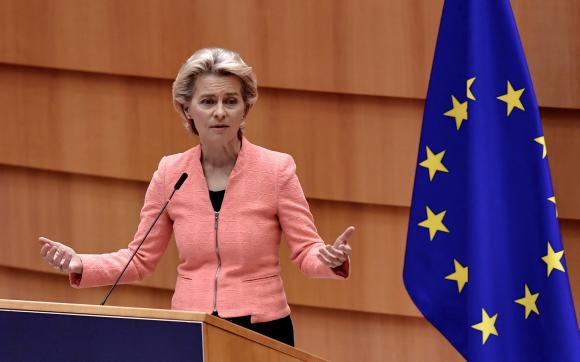
The European Commission, the executive arm of the EU, has recommended travel bans and asset freezes on over 200 additional Russian politicians and military officers. This list includes important players in Russia’s violent and intentional missile attacks against people, the kidnapping of Ukrainian children to Russia, and the theft of Ukrainian agricultural products. The proposed sanctions target political parties, regional governors, parliamentarians, and government ministers, and are intended to further isolate Russia and limit its ability to wage war.
Sanctions and Their Impact
The EU’s proposed sanctions also include export controls and limitations on goods such as chemicals, nerve agents, electronics, and IT components that could be used by the armed forces. The commission plans to target the Russian defense sector and more Russian banks, including a full transaction embargo on the Russian Regional Development Bank. Additionally, the EU wants to prevent Russia from having access to unmanned aircraft, and seeks to ban the direct shipment of drone engines to Russia and the export to any third nations, such as Iran, which could supply Russia with drones.
The European Commission also urges EU nations to take action against Russia’s mining and energy industries, particularly by putting a ban on new mining investments, as well as taking steps to decommission more Russian TV stations in Europe. These measures are intended to weaken Russia’s economy and limit its ability to fund its military activities. However, the COVID-19 pandemic has already had a devastating impact on the economies of the EU’s 27 member states, and the new penalties will also have a cost at home, making it more difficult to win approval for them.
Economic Consequences
The EU’s sanctions will not only affect Russian individuals and industries but also have a significant impact on the EU’s own economy. The nint banks, firms, and markets were all affected, as well as crucial areas of the energy industry. Soaring inflation and high power and natural gas prices are already straining the EU’s economies, and the new sanctions will likely exacerbate these problems. As the EU’s 27 member states struggle to balance their own economic needs with their commitment to supporting Ukraine, the road ahead will be challenging.
The European Commission’s recommendations still need to be discussed and approved by the EU’s 27 member nations, which usually results in the commission’s recommendations being scaled back. However, the EU’s determination to increase pressure on Moscow is clear, and the proposed sanctions are a significant step in this direction. As the situation continues to unfold, it remains to be seen how Russia will respond to the EU’s latest measures and what the ultimate impact will be on the people of Ukraine and the wider region.
What’s Next
As the EU’s proposed sanctions make their way through the approval process, all eyes will be on the response from Moscow and the impact on the ground in Ukraine. The EU’s commitment to supporting Ukraine and limiting Russia’s ability to wage war will continue to shape the conflict, and the consequences of the sanctions will be closely watched. As the situation evolves, it will be important to monitor the effects of the sanctions on Russian individuals and industries, as well as the EU’s own economy, and to consider the potential for further escalation or diplomacy. The coming weeks and months will be crucial in determining the outcome of the conflict and the future of the region.