
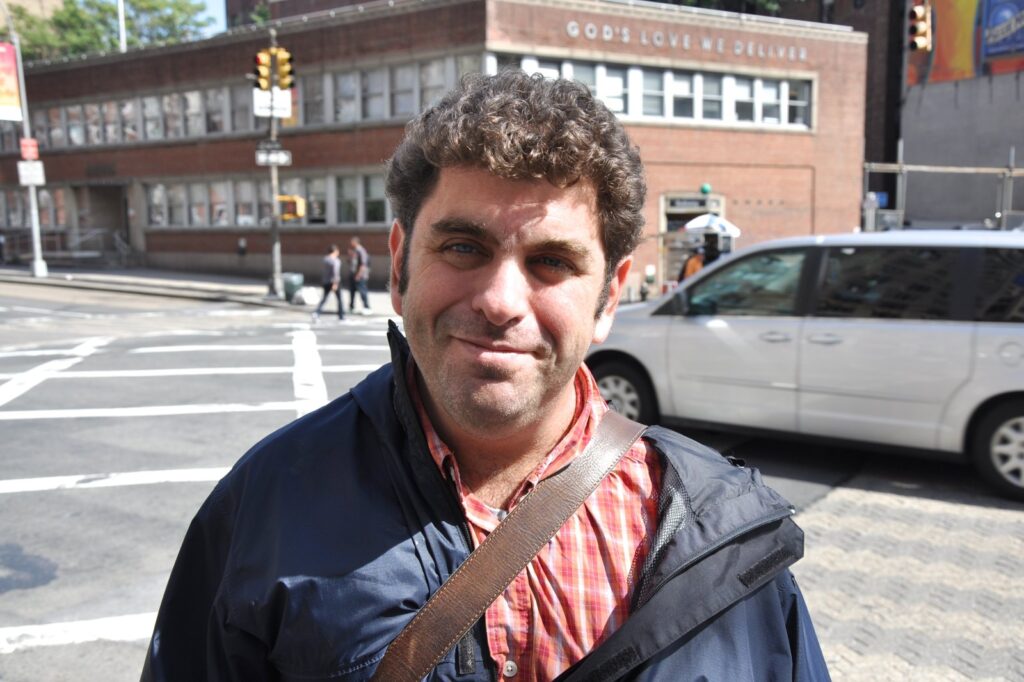
Eugene Jarecki did not go to Netflix. He did not call Amazon or Apple. Instead, the director of a new documentary about Julian Assange walked his film straight into the Bitcoin network, with Jack Dorsey holding the door.
The movie is called “The Six Billion Dollar Man.” It will reach audiences before any standard theatrical release — Jarecki calls it a “pre-theatrical digital release.” The major streaming platforms, he believes, were never going to touch it. So he built a different pipeline.
Dorsey’s company Block sits at the center of that infrastructure. Dorsey, the former Twitter CEO who now runs the digital Bitcoin payments firm, was in Tuscany over the weekend. He and Jarecki attended Rick Rubin’s low-profile music event, Festival of the Sun.
There, Dorsey sat down with Edward Snowden for a public conversation about digital freedom and the future of the web. That conversation matters.
Snowden, the former CIA employee who leaked classified documents about mass U.S. surveillance, now lives in Russia. He rarely gives interviews. His appearance with Dorsey at a music festival in Italy signals how seriously the Bitcoin community takes the question of distribution control.
The technical details are not a gimmick. The release model relies on the Bitcoin blockchain for payment settlement and digital rights management. Jarecki has not published the full architecture, but the logic is clear: the Bitcoin community functions as both the distribution channel and the initial audience.
Peer-to-peer logic drives the whole thing. This is not a small experiment.
The film’s title, “The Six Billion Dollar Man,” refers to the U.S. government’s pursuit of Assange over the publication of classified military and diplomatic cables. Assange spent years inside the Ecuadorian embassy in London, then years in a British prison. He is now free after a plea deal with the U.S. Department of Justice.
Jarecki’s documentary covers that arc. The decision to bypass Hollywood is practical.
Jarecki is an Emmy-winning director. He knows how the system works. He also knows that a film about Assange — one that does not treat him as a villain — would struggle to find a home on platforms that depend on U.S. government goodwill and corporate advertiser relationships.
So he went around them. Dorsey’s involvement is not surprising. He has bet heavily on Bitcoin.
Block, formerly Square, builds payment tools for the Bitcoin economy. Dorsey has spoken openly about his belief that Bitcoin can enable a more open financial system.
Helping a documentary bypass the streaming gatekeepers fits that vision. The timing matters. The festival in Tuscany, the conversation with Snowden, the release of the film through Bitcoin — all of it happened in the same weekend.
It suggests a coordinated push. The Bitcoin community has long talked about disrupting traditional finance.
Now it is disrupting film distribution. Whether this model scales beyond one documentary is an open question. Jarecki has not announced any other projects using the same pipeline.
But the infrastructure now exists. Dorsey’s Block has the tools. The Bitcoin network has the capacity.
If a director with a controversial subject can reach an audience without asking permission from Netflix, other filmmakers will notice. For now, “The Six Billion Dollar Man” will travel through the Bitcoin network.
The global Bitcoin community gets it first. Then comes the general public. Then, perhaps, a theatrical release.
But the order matters. The traditional gatekeepers come last, if they come at all.
{“@context”: “https://schema.org”, “@type”: “NewsArticle”, “headline”: “Director Jarecki Bypasses Netflix, Releases Assange Film via Bitcoin Network”, “description”: “Eugene Jarecki did not go to Netflix. He did not call Amazon or Apple. Instead, the director of a new documentary about Julian Assange walked…”, “datePublished”: “2026-06-24T16:09:00+00:00T09:30:00+00:00”, “author”: {“@type”: “Person”, “name”: “Dmitry Volkov”}, “publisher”: {“@type”: “Organization”, “name”: “InfoPulse Today”, “url”: “https://newsfeed.2bme.xyz/”}}




