
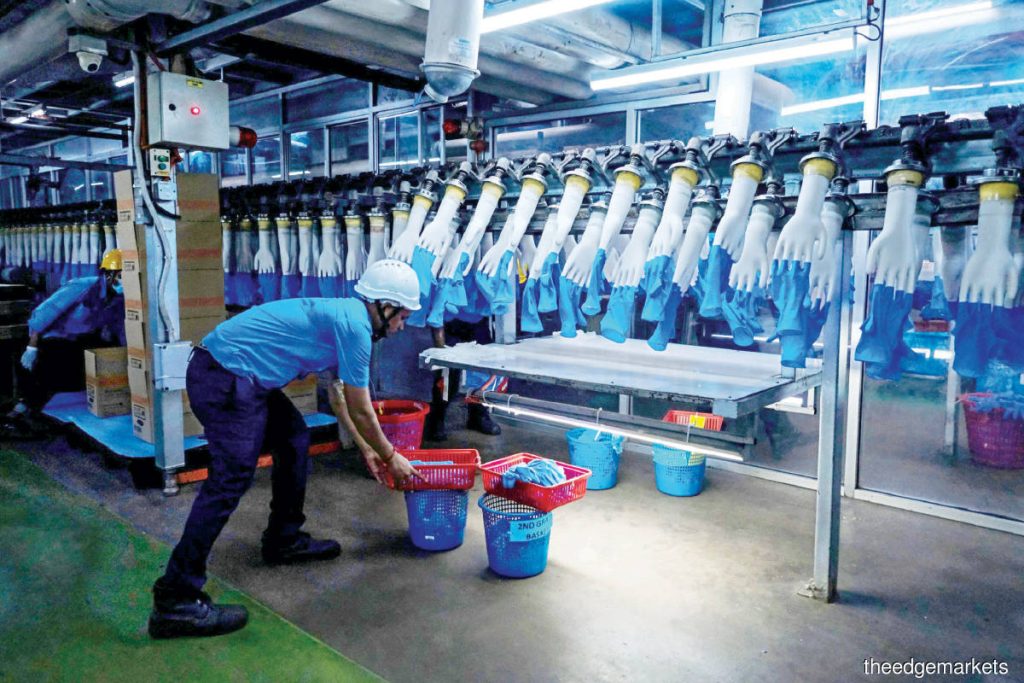
A Global Health Crisis Triggers Unprecedented Surge in Malaysian Rubber Glove Exports
The rapid spread of the novel coronavirus originating from Wuhan, China, has precipitated a dramatic shift in global medical supply chains, with Malaysia emerging as a critical supplier of protective equipment. On January 30, 2020, just days after the World Health Organization acknowledged the outbreak, the Malaysian Rubber Glove Manufacturers Association reported a massive spike in international orders. The surge was driven by urgent pleas from Chinese authorities and healthcare systems worldwide seeking to mitigate infection rates among medical workers and the general public. As the virus claimed its first victims outside of China, the demand for nitrile and latex gloves became a matter of national security and public health priority. This situation transformed a standard manufacturing sector into a frontline defense against a pandemic that was rapidly escalating across Asia and Europe.
Strategic Response to Urgent Chinese Requests
Denis Low, President of the Malaysian Rubber Glove Manufacturers Association, confirmed that his organization had received direct and urgent requests from China to deliver adequate supplies of medical gloves. These supplies are intended primarily for healthcare facilities responding to virus cases in the epicenter of the outbreak. The association stated that its members have already obliged these requests and are ramping up production immediately to meet the demand. Low emphasized the responsibility of the industry to ensure that adequate gloves reach the affected people and territories. This proactive stance highlights the critical role Malaysia plays in global health security, particularly given the country’s established dominance in rubber glove manufacturing. The ability to pivot production lines so quickly demonstrates the resilience of the Malaysian industrial base even as a novel pathogen threatens to disrupt global trade routes.
Financial Gains Amidst Humanitarian Concerns
The sudden surge in demand has had immediate and tangible effects on the financial markets of Malaysia. According to reports from New Straits Times, shares of glovemakers jumped significantly amid the coronavirus outbreak. Rubber glove companies in the country were among Bursa Malaysia’s top gainers during this period. Notably, Top Glove Corp Berhad saw its stocks hit an all-time high as investors recognized the potential for sustained revenue growth driven by global panic buying and government stockpiling. This financial windfall provides a unique opportunity for local manufacturers to invest in capacity expansion and technological upgrades. However, industry leaders warn that such gains are contingent upon maintaining current production capacities while meeting the overwhelming demand from places affected by the outbreak. The juxtaposition of market euphoria against the grim reality of thousands of infections globally creates a complex economic landscape where profit motives intersect with humanitarian imperatives.
Capacity Constraints and Production Challenges
Despite the optimistic financial outlook, significant challenges remain regarding production capacity and supply chain logistics. Ku Kok Peng, the Associate Executive Vice President of Malaysia’s Performance Management and Delivery Unit, noted that while the situation is positive for the local glove industry, it ultimately depends on whether manufacturers possess the current capacities to produce enough goods to meet the demand from affected regions. The virus spreads through respiratory droplets and contaminated surfaces, requiring strict hygiene protocols that can slow down factory operations. Furthermore, the reliance on raw materials such as natural rubber, which is heavily dependent on weather conditions in Southeast Asia, adds another layer of complexity. If production cannot keep pace with the exponential rise in orders, shortages could occur in critical healthcare settings where they are most needed. The industry must balance the pressure to maximize output with the necessity of maintaining quality control and safety standards for workers handling potentially contaminated materials.
International Cooperation and Future Outlook
As the number of confirmed cases climbs toward 6,000 globally and death tolls reach at least 132 as of late January, the international community relies heavily on cross-border cooperation to manage the crisis. Malaysia’s willingness to prioritize supplies for affected areas show its commitment to global stability. The government and private sector must continue to work in tandem to ensure that no region is left without access to essential protective gear. While the immediate financial benefits are clear, the long-term sustainability of this boom depends on how effectively the industry manages its resources during a prolonged health emergency. The outbreak is a stark reminder of the interconnectedness of global supply chains and the fragility of public health systems when faced with a pathogen that knows no borders. Continued vigilance and strategic planning will be essential to navigate the coming months and prevent future disruptions in medical supply availability.