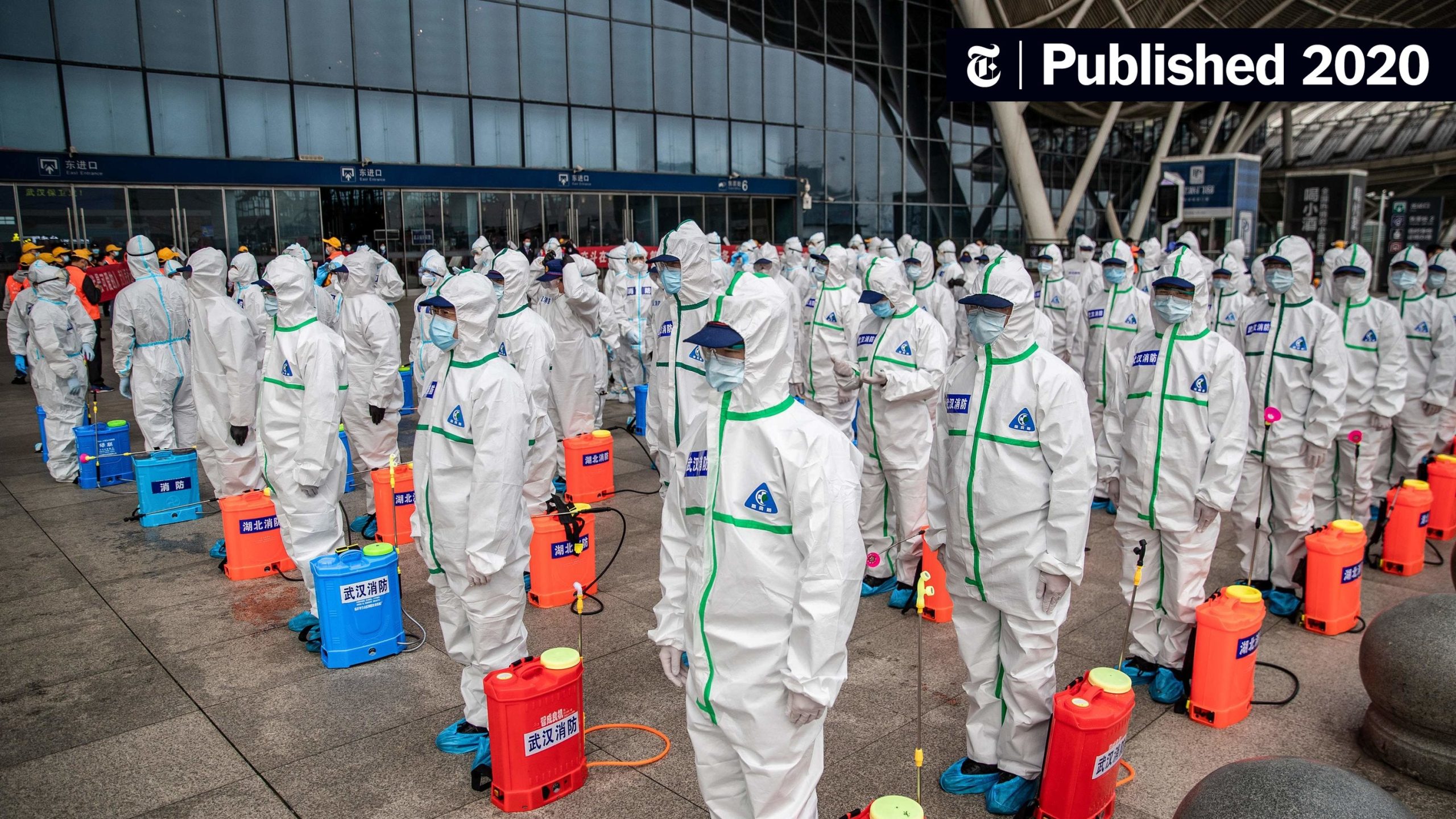
On January 31, 2020, global health experts and officials criticized China for failing to provide accurate details and timely solutions regarding the 2019-novel coronavirus outbreak, as Chinese scientists withheld the virus sample from the World Health Organization despite publishing its genome sequence. The delay in sharing the virus itself hindered international efforts to contain the spread, which has since infected thousands and killed hundreds.
China’s failure to share the virus
Chinese scientists published the genetic sequence of the novel coronavirus in early January 2020, but they did not share a physical sample of the virus with the World Health Organization. This omission slowed the global response. Reports note that if China had released the virus quickly, the outbreak might not have spread so widely across the world.
“Having the real virus means we now have the ability to actually validate and verify all test methods, and compare their sensitivities and specificities,” said Dr. Julian Druce, the laboratory head of Australia’s Doherty Institute virus identification. His team in Melbourne successfully replicated the virus from a sample of an infected patient that was sent to them. That breakthrough came only after China’s delay.
Social media users and critics expressed dismay over China’s handling of the crisis. Many accused Beijing of letting the virus spread rather than taking aggressive measures to stop it. The criticism echoes earlier failures during the SARS outbreak in the early 2000s, which killed nearly 800 people. During that crisis, Chinese journalists and intellectuals shamed the government into being more transparent.
Questions about China’s motives
Some observers believe the outbreak may have been planned. Patent documents circulating online suggest Chinese experts were aware of the virus for several years. The Washington Times reported that the lethal animal virus epidemic was possibly created in a Wuhan laboratory with ties to China’s covert biological weapons program. These claims have not been independently verified, but they add to the distrust surrounding China’s actions.
The Chinese government has not directly addressed these allegations. Instead, it has focused on domestic containment efforts and public messaging. Critics say this pattern of secrecy and delayed action is consistent with past behavior.
Australia’s rapid response
While China hesitated, Australian scientists moved quickly. The Doherty Institute’s team replicated the virus from a patient sample. This achievement is a game changer for diagnosis and vaccine development. The replicated virus can be used as control material for testing, allowing labs worldwide to validate their methods.
“Having the real virus means we now have the ability to actually validate and verify all test methods,” Dr. Druce said. The Australian experts promised to share their discovery with the World Health Organization and laboratories in other nations. Their transparency stands in stark contrast to China’s approach.
Global implications
The coronavirus outbreak has highlighted the dangers of information control. When a government withholds critical data, the entire world suffers. The virus does not respect borders. Delays in sharing samples and data allow it to spread unchecked.
The World Health Organization has urged all countries to cooperate fully during health emergencies. China’s failure to do so has undermined global trust. The international community now faces a difficult task: containing a virus that could have been stopped sooner.
This is not the first time China has been criticized for its handling of a public health crisis. The SARS outbreak in 2003 forced Beijing to become more transparent after intense pressure from its own citizens. The current outbreak suggests that lesson has not been fully learned.
The Australian breakthrough offers a path forward. With the replicated virus, scientists can develop better tests and vaccines. But the damage from China’s delay is already done. The virus has spread to multiple countries, and the death toll continues to rise.
The story of this outbreak is one of missed opportunities. China had the chance to act quickly and openly. It chose secrecy instead. The consequences are now clear: a global health crisis that could have been contained. The world must learn from this failure and demand greater transparency from all nations, especially those with a history of withholding information.