
Global investment in data center construction is on track to reach $250 billion in 2024, a 39% increase from $180 billion the prior year, according to Synergy Research Group. The market research firm’s forecast underscores a dramatic shift in how computing power is being built and deployed, driven almost entirely by soaring demand for artificial intelligence.
Hyperscale data centers—the massive facilities operated by technology giants—now account for 60% of that spending. The top four spenders alone—Microsoft, Google, Amazon, and Meta—are expected to invest more than $150 billion combined this year.
Construction Boom Creates a Target-Rich Environment
Behind the eye-popping dollar figures lies a physical reality: over 500 new data centers are currently under development around the world, each one representing an industrial-scale construction project. These buildings are filled with valuable materials—copper wiring, server racks, cooling equipment—sitting in various stages of completion, often in remote or industrial areas. That concentration of high-value assets, according to Synergy Research Group, has created a target-rich environment for thieves.
The rapid expansion has far outstripped investment in site security. Only 5% of total project budgets are allocated to security, a mismatch that criminals are exploiting.
The financial stakes are clear. When $250 billion in construction spending is concentrated in a single year, even a small percentage loss to theft represents real money. The value of materials at risk grows with each new project, increasing the incentive for organized theft rings to target these sites.
The pressure to build fast—sometimes at the expense of security protocols—is unlikely to ease as AI demand shows no signs of slowing. Analysts will be watching whether the industry begins to rethink that 5% security spending figure, as the math on theft prevention may soon look different.
From Military Mainframes to AI Workloads
The origins of data centers trace to the middle of the 20th century, when the U.S. military operated early mainframe computers in dedicated rooms. For decades, most organizations housed their own computing equipment on-site. That changed with the rise of cloud computing, which shifted vast amounts of processing and storage into massive centralized facilities owned by technology giants—the hyperscale data centers that now contain a large share of the world’s computer servers.
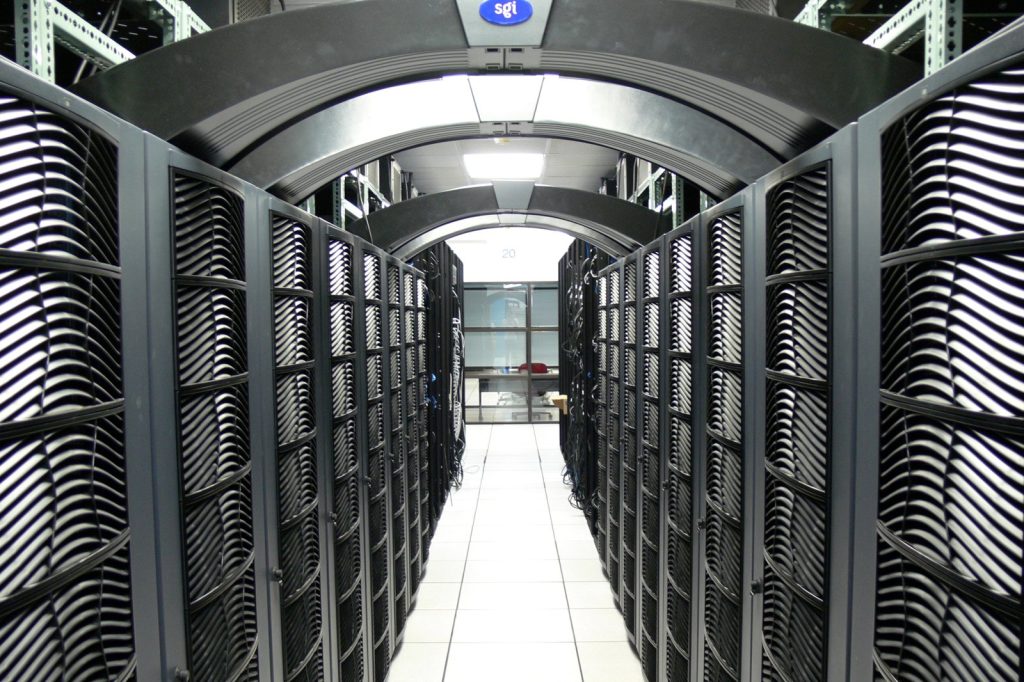
Fundamentally, a data center is simply a building or room used to store, manage, and process digital information, containing servers, networking gear, and cooling systems. There are several types: enterprise centers on company property, cloud centers run by providers such as Amazon or Microsoft, colocation centers that rent space to multiple tenants, and smaller edge centers placed close to users.
All depend on reliable power and physical security. This background matters because demand for data centers has surged in recent years, driven by artificial intelligence workloads that require enormous computing power. The resulting construction boom is unlike anything seen before, but the rapid pace has created vulnerabilities.
For readers, the significance is clear: the same infrastructure that powers modern apps and AI also creates vulnerabilities that can disrupt supply chains and raise costs for everyone.




