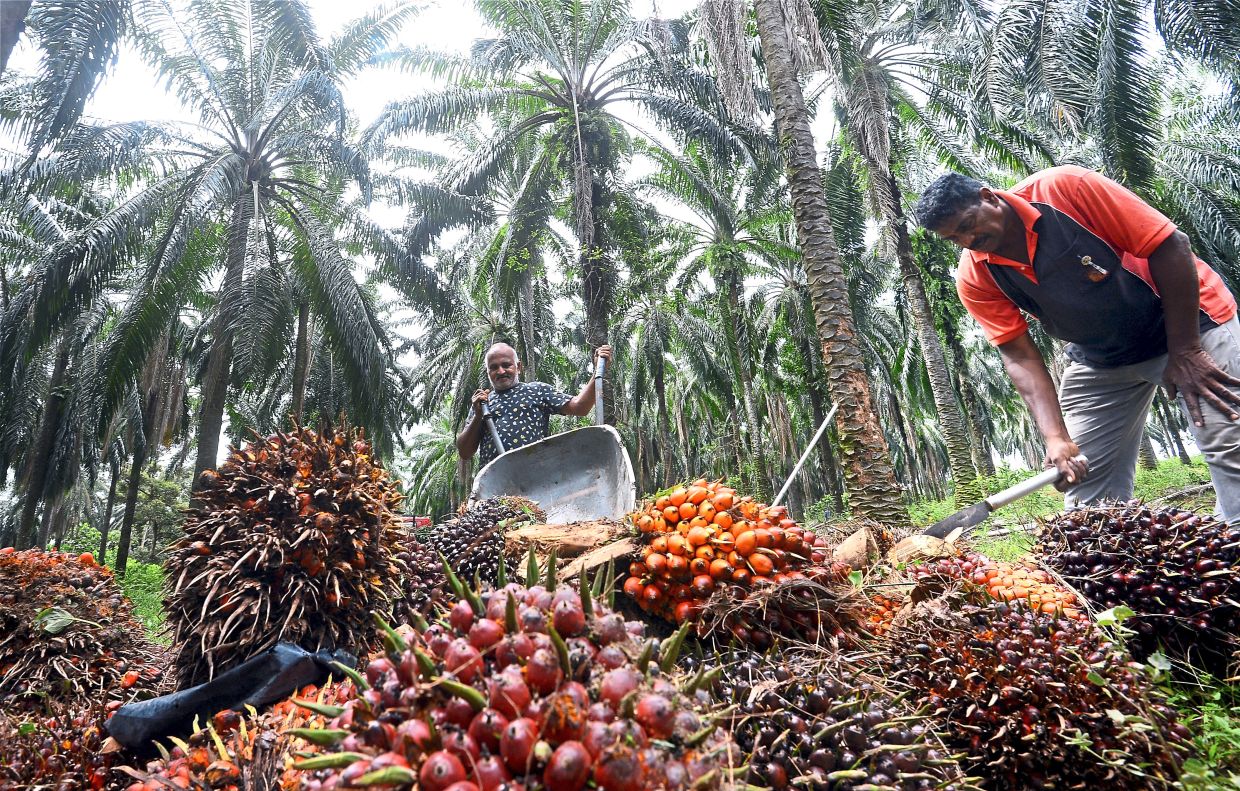
For plantation workers and their families in Malaysia and Indonesia, the coming months may bring fresh uncertainty. Boustead Plantations Bhd, a major player in the sector, has warned that high stock levels in both countries are expected to make palm oil prices highly volatile for the rest of the year. This projection comes on the heels of a sharp fall in the company’s profitability in its most recent quarter, a development that directly affects the livelihoods of thousands who depend on the industry.
Financial Strain Hits Home
The company reported a net loss of RM352,000 for the third quarter that ended on September 30, 2022. This stands in stark contrast to a net profit of RM95.56 million in the same quarter of the previous fiscal year. Revenue for the quarter was RM240.25 million, down from RM293.77 million in the corresponding period last year. For workers whose wages and job security are tied to the company’s performance, these numbers signal a difficult period ahead. The drop in profitability stems from reduced fresh fruit bunch (FFB) production and lower palm product pricing, which resulted in a profit from operations of just RM1.4 million—down from RM133.1 million in the comparable quarter a year earlier. Lower palm product prices have directly impacted the prices of FFB, crude palm oil (CPO), and palm kernel, cutting into the earnings that support local communities.
Rising Costs Weigh on Operations
Boustead Plantations Bhd stated that high production costs brought on by higher minimum wages, combined with higher fertilizer and diesel prices, will continue to be a burden throughout the course of the rest of the year. These rising input costs squeeze margins at a time when the company is already struggling with lower output. In a filing with Bursa Malaysia, the company stated: “The group’s profitability is based on the crude palm oil (CPO) price direction and crop production.” For plantation workers and smallholders in Peninsular Malaysia and Sabah, these cost pressures can translate into reduced hiring, fewer hours, or lower bonuses. The company, however, remains hopeful that its ongoing efficient cost management and crop enhancement measures will bring favorable results in 2022. It noted that the deployment of Plantation Performance Improvement Programs has led to some improvements in FFB yield in the Peninsular Malaysia and Sabah regions this year—a glimmer of positive news for those whose work is tied to the land.
Global Factors Add Uncertainty
Beyond local cost pressures, Boustead Plantations Bhd pointed to broader global factors that could affect the industry and the communities it supports. The conflict between Ukraine and Russia, climatic changes in Europe, China, India, and the US, as well as price increases in other crops, were mentioned as potential factors that could cause a global crop shortage. These developments could ripple through supply chains, affecting everything from the price of cooking oil in local markets to the income of plantation workers. For families in rural areas who rely on the palm oil sector, such global uncertainties add another layer of risk to an already volatile outlook.
Looking Ahead
Despite the current challenges, the company’s year-to-date figures offer a broader perspective. In the nine months leading up to September 30, 2022, Boustead Plantations’ net profit was RM508.02 million on revenue of RM913.37 million, up from RM156.16 million in the same period of 2021 and RM708.49 million in revenue. These numbers show that the company has had a strong year overall, even as the third quarter brought a setback. What to watch next: The direction of crude palm oil prices and crop production in the coming months will be critical. If the company’s cost management and yield improvement programs continue to show results, and if global crop shortages drive prices higher, the outlook for plantation communities could improve. However, if high stock levels in Malaysia and Indonesia persist and production costs remain elevated, the volatility that Boustead Plantations Bhd has warned about may continue to affect the lives and livelihoods of those who depend on this vital industry.