
The noise is the thing. A constant, low-frequency drone, twenty-four hours a day, seven days a week. That is what residents in the Blue Mountains say they are bracing for.
And it is not hypothetical. In the United States, eerie videos have surfaced showing exactly what that sound does to a neighborhood.
This is the central complaint behind the Stop Data Centres Blue Mountains campaign. The group formed after MAK Urban Group, a Sydney-based civil engineering and construction company, proposed a $4.8 million facility on a residential street in north Katoomba. The site sits a block from a school and borders a park.
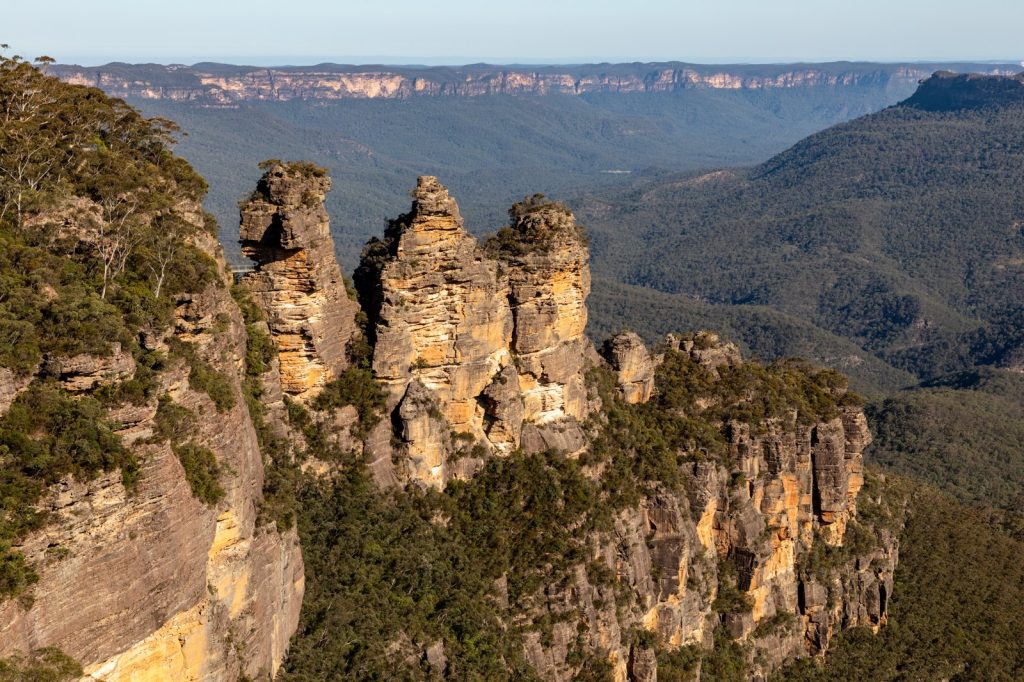
It is an eight-minute drive from the Three Sisters, one of Australia’s most famous landmarks. The application was knocked back over the weekend.
But the fight is not over. The campaign describes the development as a “threat to peace.” Their list of grievances is long: 24/7 low-frequency noise intrusion, pressure on electricity and water supplies, potential PFAS exposure, and insufficient bushfire protections. But the noise is the anchor.
It is a problem now playing out globally. Three US cities are suing the AI companies behind data centres in their backyards, officials said. New York state passed a one-year moratorium on large data centres this month.
At least four other US areas have brought in temporary construction bans. The pattern is clear: the infrastructure is arriving faster than the rules to manage it.
Australia is emerging as a hot destination for these power-hungry centres. The AI industry is expanding at a rapid rate. And Australians are pushing back.
The Blue Mountains campaign is one front in a wider backlash. The proposed Katoomba centre would employ two to five staff.
That is a tiny workforce for a facility that residents argue will transform the character of their street. The noise is not loud in the way a truck is loud. It is a persistent hum.
A drone. Something that wears people down over time. The US videos show what that means in practice.
Residents there describe it as a constant presence, impossible to escape. The Blue Mountains group is not alone.
Across the nation, similar campaigns are building. The speed of the AI boom has outpaced local planning laws. Councils are scrambling.
Residents are organizing. The industry is pushing forward.
MAK Urban Group’s application was for a $4.8 million development. That is not a huge sum in the world of data centres. But the impact on a residential street is outsized.
The facility sits a block from a school. Children will hear it. The park borders the site.
People will walk past it. The Three Sisters are a short drive away.
Tourists will not see the data centre, but locals will live with it. The campaign’s focus on noise is strategic. It is concrete.
You can measure it. You can record it.
You cannot argue with a video of a constant high-pitched drone. That is what the US videos show. That is what residents in Katoomba fear.
The pushback is not just about noise. PFAS exposure is a serious concern. So are water and electricity demands.
Bushfire protections are a live issue in the Blue Mountains. But the noise is the first thing.
It is the thing that makes a data centre feel like a neighbour. A bad one. New York’s moratorium is a sign of where this is headed.
Temporary bans in four other US areas point the same way. The industry is being forced to slow down.
To answer questions. To prove it can coexist with people. In Katoomba, the application has been knocked back.
But the company could come back with a revised plan. The campaign is not over. The noise is not going away.




