
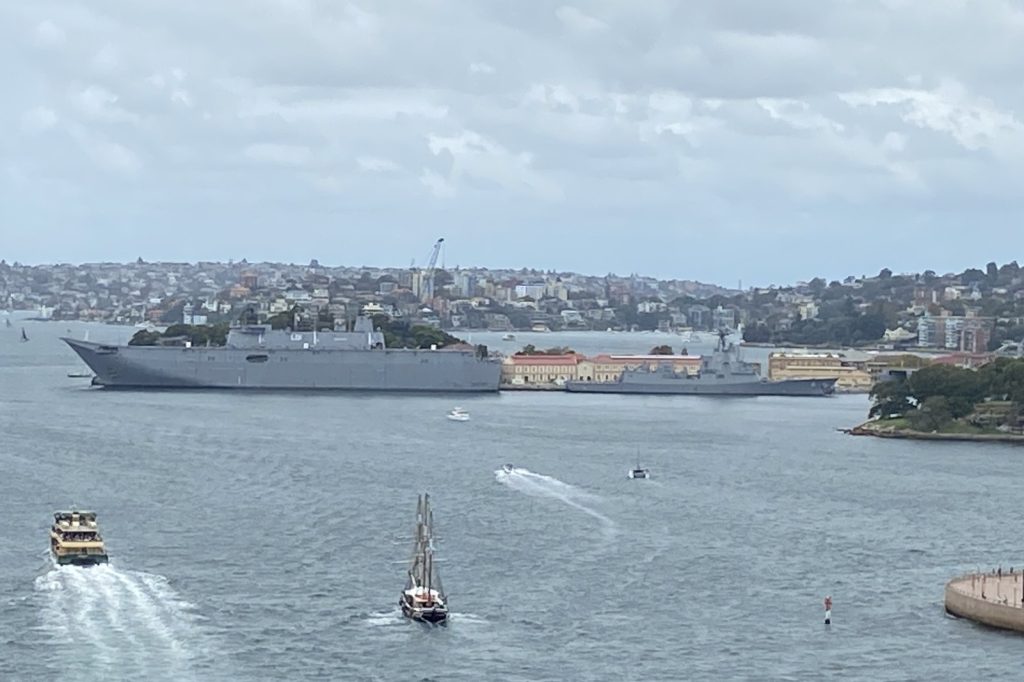
On June 6, 2025, the radar system aboard the Royal Australian Navy’s fleet flagship, HMAS Canberra (L02), caused an accidental disruption to wireless internet and radio services in New Zealand. The incident, while unexpected, underscores the potential for technological interference between advanced military systems and civilian infrastructure. HMAS Canberra serves as the lead vessel of the Royal Australian Navy, equipped with state-of-the-art radar, communication, and navigation technologies. Its radar system, designed for advanced surveillance and tracking, inadvertently interfered with New Zealand’s wireless internet and radio networks.
The disruption was eventually resolved, but the event highlights the growing complexity of modern technology interactions. The term “flagship” originally referred to the vessel carrying a fleet’s commanding officer.
Over time, it has come to symbolize excellence and leadership across various fields. For the Royal Australian Navy, HMAS Canberra embodies these qualities, representing the pinnacle of naval innovation and maritime capability. The incident in New Zealand, however, serves as a reminder that even the most advanced systems can have unintended consequences when interacting with other technologies.
As global reliance on wireless internet and radio services increases, the impact of disruptions can be significant. This event demonstrates the importance of careful planning and rigorous testing to mitigate risks.
The Royal Australian Navy’s commitment to technological advancement is evident in HMAS Canberra’s design, but the incident emphasizes the need for ongoing evaluation and refinement of these systems to ensure seamless integration and minimize unintended effects.
Implications and Future Measures
The disruption caused by HMAS Canberra’s radar has broader implications for naval technology and its interaction with civilian systems. As advanced technologies become more widespread, the potential for unintended consequences grows.
To address this, more sophisticated testing and evaluation protocols are essential, along with enhanced collaboration and information sharing among stakeholders. Such measures can help ensure that the benefits of innovation are realized while reducing the risk of disruptions. Looking ahead, the incident may serve as a catalyst for further development.
With increasing interconnectedness, the demand for technologies that operate seamlessly will continue to rise. The Royal Australian Navy, with its focus on innovation, is well-positioned to contribute to these advancements.
By learning from this event, the Navy can drive progress and enhance its capabilities. As services in New Zealand return to normal, the Royal Australian Navy is expected to conduct a thorough review of the incident. This proactive approach will help identify areas for improvement and implement measures to prevent similar disruptions. Through ongoing commitment to technological excellence, HMAS Canberra and other naval vessels will remain at the forefront of maritime capabilities, navigating the complexities of a modern, interconnected world.




