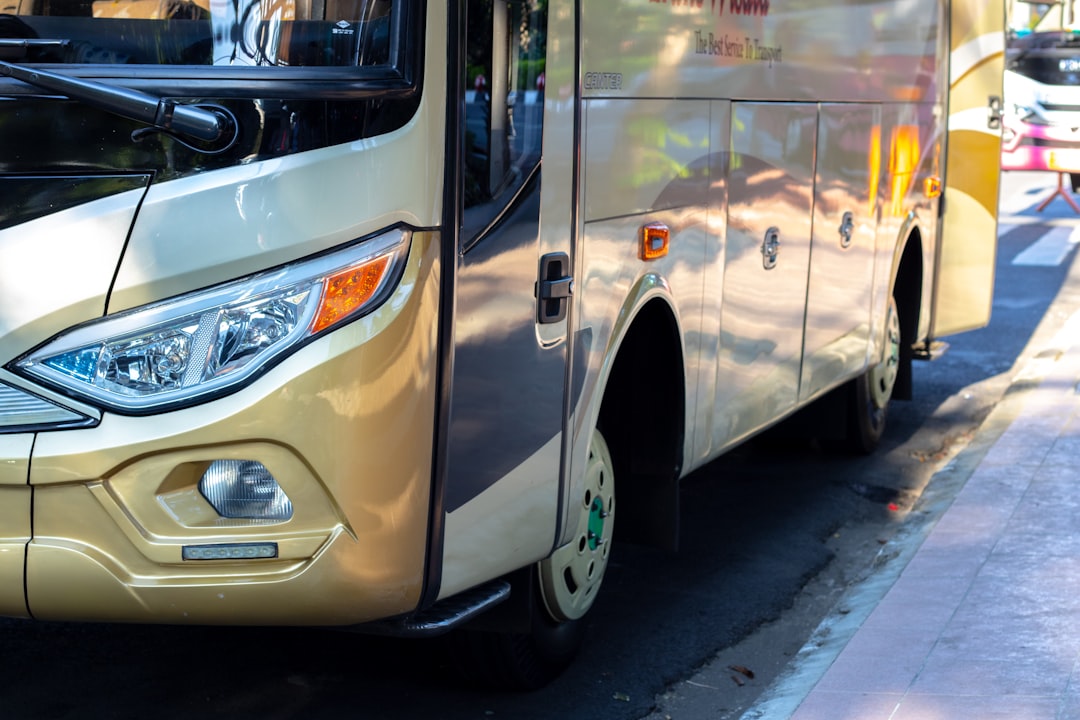
The wreckage in San Juan de Opoa tells a story that goes beyond a single, terrible moment on February 28. Seventeen people are dead. The buses collided in the Copán Department. But the forces that led to that collision have been building for decades.
San Juan de Opoa is one of the oldest municipalities in Honduras, founded by the Spanish in 1526. Its roads were not built for the traffic of 2024. They were carved for horses and carts. Now they carry crowded buses hurtling down mountain routes. The buses themselves are often aging hand-me-downs, pushed past their safe limits because there is no money for replacements.
The accident has become a grim arithmetic problem. Seventeen families are shattered. The community is paralyzed by grief. And the question that hangs over the rubble is whether anything will change. History suggests the answer is no. After every major crash in Honduras, officials promise new inspections, stricter licensing, safer vehicles. Then the attention fades. The buses keep running because people need to get to work, to markets, to school. There is no alternative.
This is where the environmental angle cuts in. The report mentions that the country’s reliance on fossil fuels is part of a larger problem. It is not just about the fuel itself. It is about the system. A bus that breaks down on a mountain pass because of cheap, adulterated diesel is a bus that stops in a dangerous place. A government that subsidizes fuel instead of investing in road maintenance is a government choosing short-term relief over long-term safety.
The Copán Department is known for its landscapes and wildlife. Tourists come for the Maya ruins, for the cloud forests. They do not come for the roads. Those roads are a hazard for everyone. A bus full of passengers should not be a gamble. But in rural Honduras, it often is.
What comes next is uncertain. The municipality will hold funerals. The national government will issue a statement. But the structural problems remain untouched. The bus fleet is old. The roads are narrow and poorly maintained. The enforcement of traffic laws is weak. Drivers work long hours for low pay, which pushes them to speed. Passengers have no choice but to board.
The renewable energy idea in the report is not a tangent. It is a different way of looking at the same problem. If Honduras invested in solar and wind power, it would reduce its dependence on imported fuel. That would lower costs. It would also free up money for infrastructure. Money that could be used to widen a dangerous curve, to install guardrails, to buy newer buses. The connection is not abstract. It is practical.
San Juan de Opoa has survived since 1526. It has seen wars, dictatorships, hurricanes. This bus crash is another scar. But scars heal slowly when the underlying wound is not treated. The people of the Copán Department are mourning now. They will bury their dead. Then they will go back to the same roads, the same buses, the same risks. Because there is no other way to get where they need to go.