Thailand, February 29, 2024 — cyberinktimes.com — Thailand will outlaw recreational cannabis before the end of 2024, Health Minister Cholnan Srikaew told Reuters on 29 February, while preserving access for authorised medical use. The cabinet is expected to approve the draft bill within weeks; parliament must then pass it before the current session closes in December. Once enacted, smoking, selling or advertising cannabis for pleasure will carry fines up to 60,000 baht and possible prison terms, and every plant will require a government permit.
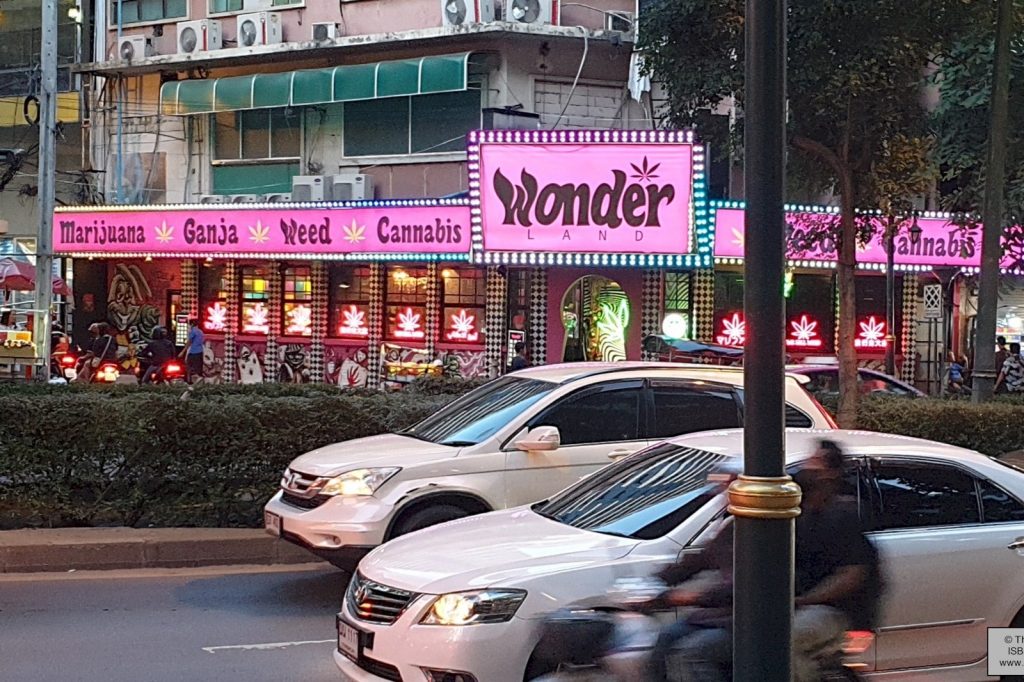
The 2022 decision to delist cannabis from the narcotics schedule was taken by emergency decree in less than a week. Within twelve months more than 20,000 dispensaries, cafés and street stalls opened, many operating without clear guidelines.
“We never intended to create a grey market,” Cholnan said. “The absence of controls has normalised youth use and exposed Thailand to accusations of becoming a drug hub.” Paediatricians report a three-fold rise in cannabis-related hospital admissions among teenagers since mid-2022, while school principals complain of students vaping high-potency extracts on campus. Police data show a 17 percent increase in drivers testing positive for tetrahydrocannabinol after road accidents.
These trends, combined with pressure from conservative coalition partners, pushed Prime Minister Srettha Thavisin’s administration to re-criminalise non-medical consumption.
What the new law will allow and forbid
The bill classifies cannabis as a “controlled plant” alongside opium poppy and kratom. Cultivation, import, export, distribution and product manufacture will need licences issued by the Food and Drug Administration. Households may still grow up to six plants, but only after registering on a state database and proving that the crop is for personal medical use or for sale to licensed processors.
Recreational retail will end. Shops that converted from bars to “weed cafés” must close or re-license as traditional pharmacies or clinics.
Online advertising, giveaways, two-for-one deals and cartoon packaging that appeals to minors will be banned. Products containing more than 0.2 percent THC by weight will be restricted to hospital dispensing or specialist stores staffed by trained pharmacists. Penalties escalate quickly.
Possession of unlicensed buds brings a one-year jail term and a 20,000 baht fine; trafficking for recreational purposes carries up to three years and 300,000 baht. Landlords who knowingly lease to illegal operators face the same sanctions as the seller.
Tourists will not be exempt: immigration officers at airports already display new warning posters in English and Chinese.
Impact on the billion-dollar industry
Market research firm Prohibition Partners values Thailand’s domestic cannabis trade at US$1.2 billion for 2024, employing an estimated 100,000 growers, bud-tenders, edibles chefs and logistics drivers. The draft law gives existing licensees until their current permits expire, mostly between July and December 2024, to comply or pivot. After that, unapproved stock must be destroyed in front of FDA witnesses.
Large corporate investors, including Charoen Pokphand’s telecom arm and Bangkok-based Gunkul Engineering, have poured hundreds of millions of baht into cultivation facilities and retail chains. Their share prices dipped 6-8 percent on the morning of Cholnan’s interview.
Smaller operators fear wipe-out. “We invested our life savings on the understanding that regulation was coming, not prohibition,” said Kitty Chopaka, owner of the Highland café in Asok. “If I can’t sell flower, I’ll go back to being an illegal dealer, same as before 2022.” The government counters that medical demand will keep the sector alive.
Thailand has approved 1.3 million patients for cannabis therapy since 2018, covering chronic pain, epilepsy and chemotherapy side-effects. The state programme, run through hospitals and tele-clinics, sources dried flower at 15 baht per gramme, far below the 600 baht retail price charged by tourist dispensaries.
Officials predict the legitimate medical market could still reach 30 billion baht by 2027 if producers focus on standardised oils, capsules and topical creams.
Tourism and international reaction
Before the U-turn, travel forums marketed Thailand as “the Amsterdam of Asia”. Cannabis-themed walking tours, cooking classes and 4-star “bud-and-breakfast” packages proliferated in Bangkok, Chiang Mai and Phuket. The Tourism Authority of Thailand had forecast five million “canna-tourists” in 2024, spending an extra 15 billion baht.
Minister Cholnan dismissed those projections, insisting that “cultural attractions, beaches and cuisine” remain the country’s drawcards. Tour operators are sceptical.
“We sold 2,000 dispensary packages last quarter,” said Suphajee Suthumpun, CEO of Asia Plus Travel. “If the product disappears, so does the niche.” Neighbouring Malaysia and Singapore, which maintain the death penalty for trafficking, welcomed Bangkok’s stricter stance. Indonesian foreign minister Retno Marsudi praised the move as “responsible regional leadership”.
Inside Thailand, reactions split along generational lines. A National Institute of Development Administration poll released on 25 February found 57 percent of respondents over 50 support the ban, while 61 percent of those aged 18-25 oppose it.
Student activist group “Highland Network” has threatened street protests if parliament passes the bill unchanged. The bill’s first reading is scheduled for late March. Coalition whips predict smooth passage; the ruling Pheu Thai party commands 238 of 500 lower-house seats and can count on support from the military-appointed senate.
If enacted, Thailand will revert to a medical-only model resembling Germany’s pre-2024 framework, leaving the once-booming recreational sector to fold or go underground.