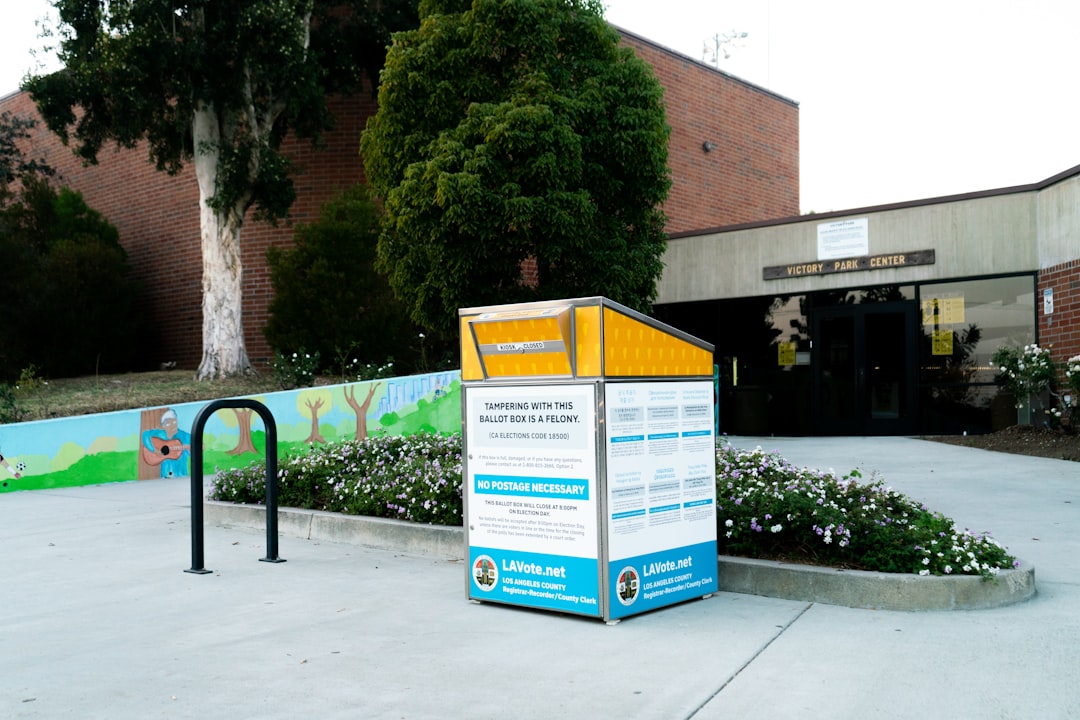
MINSK — Voters across Belarus went to the polls Sunday with a ballot paper that listed four pro-government parties and nothing else. The opposition was not on it. The elections, which opened on February 25, will fill seats in the National Assembly, the All-Belarusian People’s Assembly, and local councils. But the people casting votes had no choice between government and opposition. Only government-approved candidates were available.
That is the central fact of this election. And it is a fact that opposition leader Sviatlana Tsikhanouskaya has seized on. She has called for a boycott. Her argument is simple: an election without opposition parties is not a real election. She has pointed to the restrictive political environment in Belarus, where dissent is suppressed and human rights are under constant criticism from international observers. The government has not allowed any opposition party to run. Only four pro-government parties are on the ballot. That is it.
The National Assembly is not a powerless body. It is a bicameral parliament, made up of the Council of the Republic and the House of Representatives. Both chambers have the authority to veto decrees from local administrations if those decrees deviate from the Constitution. The Assembly meets twice a year in regular sessions. It has real power. But the question hanging over this election is whether a parliament filled exclusively with pro-government figures can represent the Belarusian people. The absence of opposition voices raises doubts about that.
Tsikhanouskaya is not simply protesting. She has announced plans to hold elections to the Coordination Council in May. That body would be an alternative platform, a place where opposition voices could be heard. It is a direct response to the current election. The government has blocked opposition parties from participating. Tsikhanouskaya is creating a parallel process.
This is not the first time Belarus has held elections that critics call undemocratic. The government has a record of suppressing dissent. Human rights groups have documented patterns of crackdowns on activists, journalists, and ordinary citizens who speak out. The current election fits that pattern. Only pro-government parties are permitted. Opposition parties are barred. The credibility of the process is undermined from the start.
The voting began on a Sunday. Polls opened across the country. People walked in, cast their ballots, and walked out. But the ballot they held offered no real choice. They could pick among four pro-government parties. Or they could stay home. Tsikhanouskaya has urged them to stay home.
The government has not responded to her call. It has not allowed opposition parties to participate. It has not changed the rules. The election is proceeding as planned. The National Assembly will be filled. The All-Belarusian People’s Assembly will be filled. The local councils will be filled. All with pro-government representatives.
Tsikhanouskaya’s Coordination Council election in May will be watched closely. It is a test of whether an alternative political process can function in Belarus. It is also a test of whether the government will allow it to function. The current election offers no such test. It offers only a single option.
The Belarusian people are voting. But the opposition is not on the ballot. That is the story of this election.