Malaysian Banking Stability Remains Unshaken by Silicon Valley Bank Collapse
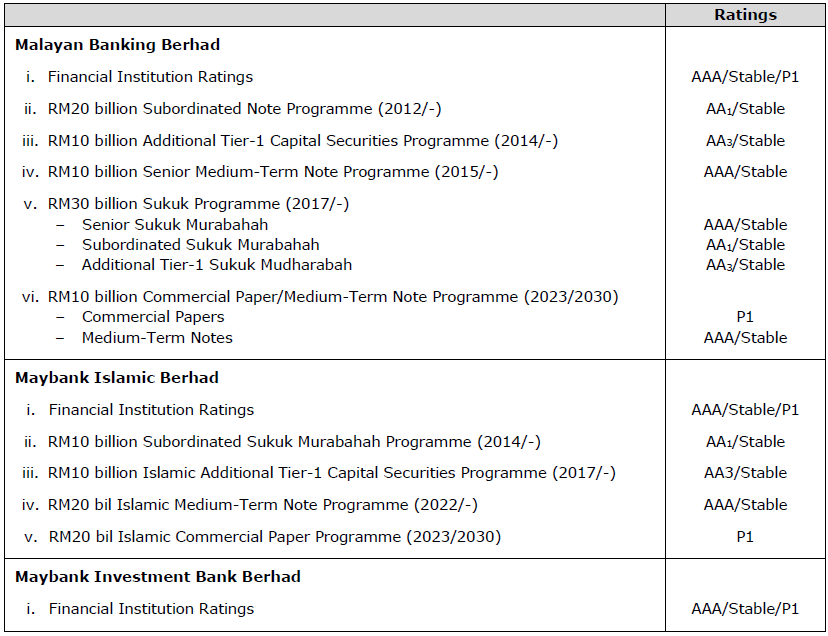
The recent bankruptcy of Silicon Valley Bank and two other smaller American financial institutions has generated significant concern across global markets, yet these events appear to have no direct impact on the credit ratings of Malaysian banks. According to RAM Rating Services Bhd, a leading local rating agency, the fundamental health of Malaysia’s banking sector remains solid and resilient despite the turmoil in the United States. This assessment was issued on March 20, 2023, highlighting that tight regulatory oversight and distinct business models insulate Malaysian institutions from the volatility affecting their American counterparts. The situation show a stark contrast between the balance sheet profiles of domestic commercial banks and the failed Silicon Valley entity, reinforcing confidence in the nation’s financial system.
Distinct Asset Composition Protects Domestic Lenders
A primary factor preserving the stability of Malaysian banks lies in their fundamental approach to asset management, which differs drastically from the model that led to the failure of Silicon Valley Bank. RAM Ratings observed that domestic commercial banks prioritize lending activities over volatile bond investments. In fact, less than 25 percent of assets within the domestic banking system are invested in bonds. This stands in sharp contrast to Silicon Valley Bank, which held more than 50 percent of its asset base in these instruments. The heavy reliance on long-term bonds by Silicon Valley Bank caused significant unrealized losses when interest rates in the United States rose swiftly and significantly.
The classification of these assets further illustrates the difference in risk management strategies. On average, only about 40 percent of the bonds owned by Malaysia’s eight largest banks are designated as held to maturity. The remainder are marked to market, meaning that fair value losses on bonds are already accounted for within the banks’ capital positions. Conversely, Silicon Valley Bank classified nearly 80 percent of its bond securities as held to maturity. This accounting method meant that unrealized losses had not yet been recognized in their company equity until the bank failed. Because Malaysian banks mark a significant portion of their holdings to market, they have already absorbed potential valuation shocks, leaving them better prepared for current economic conditions.
Prudent Central Bank Policy and Deposit Structure
The stability of the Malaysian banking sector is also bolstered by the cautious approach taken by Bank Negara Malaysia regarding interest rate hikes. The central bank’s gradual policy adjustments have helped mitigate additional valuation losses that could arise from market fluctuations. RAM Ratings noted that this prudent strategy ensures that any potential future losses would be less severe compared to the rapid rate increases experienced in the United States. Furthermore, the composition of deposits plays a important role in maintaining liquidity and stability. Malaysian banks are predominately supported by very granular consumer deposits rather than large corporate or tech-focused funding sources like Silicon Valley Bank.
This diverse deposit base contributes to strong liquidity profiles across the industry. The net loans to deposits ratio for the sector stands at 88 percent, while liquid assets to deposits ratios remain around 20 percent. These metrics indicate that banks hold sufficient cash and easily sellable assets to meet withdrawal demands without needing to liquidate long-term investments at a loss. The common equity tier-1 capital ratio for the domestic banking sector remained stable at 14.9 percent at the end of 2022, down slightly from 15.5 percent in 2021 but still well within safe margins. This robust capital buffer provides a safety net that protects depositors and maintains public confidence in the financial system.
No Direct Exposure to Failed American Institutions
Bank Negara Malaysia has confirmed that the three failing American banks have no direct exposure to domestic Malaysian banks. This lack of interconnectedness prevents contagion from spreading across borders and ensures that the local financial ecosystem remains insulated from external shocks. The central bank’s strong prudential controls and successful track record in managing prior financial crises provide an additional layer of security. These measures have been demonstrated repeatedly, ensuring that the Malaysian banking system can withstand increased market volatility without compromising its integrity.
The rating agency emphasized that the credit fundamentals of Malaysia’s banks continue to be resilient. The structural differences between the domestic sector and the failed Silicon Valley Bank highlight why the recent American crisis does not threaten local stability. By focusing on lending rather than speculative bond trading, and by maintaining conservative accounting practices regarding asset valuation, Malaysian banks have built a fortress-like defense against external economic pressures. This approach aligns with the broader goal of ensuring sustained financial stability for the nation’s economy.
Confidence in Local Financial Resilience
The assessment by RAM Ratings is a reminder that not all banking systems react identically to global events. While Silicon Valley Bank collapsed due to a combination of interest rate risk and poor asset-liability management, Malaysian banks have avoided these pitfalls through deliberate policy choices and regulatory guidance. The central bank’s ability to manage rates gradually and its focus on consumer deposit stability have created a environment where banks can operate safely even when global markets are turbulent.
As the United States grapples with the aftermath of its banking failures, Malaysia continues to demonstrate that a well-regulated and prudently managed financial sector can thrive independently. The integrity of local institutions remains intact, offering reassurance to depositors, investors, and international partners alike. The evidence suggests that the Malaysian banking system is not merely surviving but is actively positioned to support economic growth without being dragged down by events occurring thousands of miles away. This resilience reflects a mature financial landscape capable of weathering storms while maintaining its core functions.