
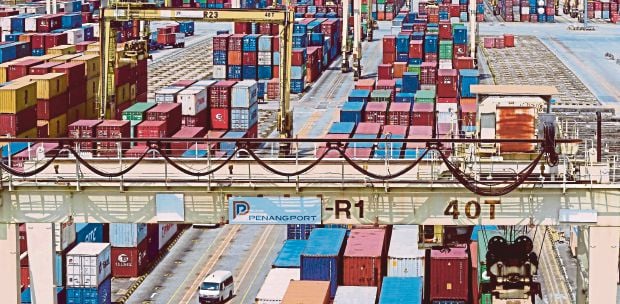
For workers on the assembly lines of Malaysia’s electrical and electronics (E&E) factories, the hum of machinery in February 2023 signaled more than just production. It meant steady paychecks and secure livelihoods. Their efforts, alongside colleagues in petroleum and liquefied natural gas (LNG) sectors, helped drive the nation’s exports to a record high for the month. According to a statement from the Ministry of International Trade and Industry (Miti), Malaysia’s exports increased by 9.8% year-over-year to RM112.28 billion in February 2023, with total trade reaching RM204.99 billion—the highest ever recorded for February.
Trade Surplus Grows, But Short Month Tempers Gains
The robust export performance translated directly into a healthier trade balance. Imports rose 12.4% year-over-year to RM92.71 billion, resulting in a trade surplus of RM19.56 billion for February. This surplus marked a 7.9% increase compared to January 2023. However, the data also reflected a practical reality: February had fewer working days. As a result, total commerce, exports, and imports each saw slight sequential declines of 1.1%, 0.3%, and 1.9%, respectively, compared to the previous month.
For Malaysian families, the broader economic picture meant continued demand for their country’s goods. Manufacturing exports, which account for 85% of all exports, rose 9.5% year-over-year to RM95.4 billion. This growth was fueled by strong sales of petroleum products and E&E goods—items that sustain jobs in industrial hubs across the country. Meanwhile, mining goods exports surged 34.8% year-over-year to RM9.2 billion, driven by higher shipments of LNG, a key energy resource that powers homes and businesses abroad.
Regional Shifts: Stronger Ties with Asean and US, Weaker with China
The human impact of trade was also visible in shifting regional patterns. Exports to Asean nations grew 14.8% year-over-year to RM33.69 billion, a boon for workers in ports and logistics firms handling cross-border shipments. The primary driver was a 27.7% increase in export value to Singapore, Malaysia’s close neighbor and a major trading partner. This helped offset a 6% decline in exports to China, which fell to RM14.36 billion. The drop was attributed to reduced exports of chemicals and chemical products, petroleum products, and iron and steel products—sectors that may have seen slower demand from Chinese buyers.
Across the Pacific, exporters to the United States saw a double-digit gain of 18.7% year-over-year, with shipments totaling RM12.33 billion. The increase was supported by robust exports of E&E goods, items that often end up in American consumer electronics and industrial equipment. For workers in Malaysian factories producing these components, the steady demand from the US market provided job stability.
Imports Tell a Story of Domestic Consumption and Industrial Needs
On the import side, the data revealed what Malaysian families and businesses were buying. Imports of intermediate goods rose 3.3% year-over-year, driven by higher purchases of primary fuel and lubricants—essential inputs for factories and transportation. Consumption goods imports increased 1.2% year-over-year, reflecting higher imports of primary food and beverages, mostly for domestic consumption. This meant that Malaysian households had access to a steady supply of daily necessities. In contrast, imports of capital goods fell 0.3% year-over-year due to lower imports of non-transport capital goods, suggesting a slight pause in business investment in machinery.
Not all sectors shared in the export boom. Agriculture goods exports declined 9% year-over-year, driven by lower exports of palm oil and farm products based on palm oil. For plantation workers and smallholders, this dip highlighted the challenges faced by the agricultural sector even as other industries thrived.
What to Watch Next
Looking ahead, the trajectory of Malaysia’s trade will depend on several factors. The continued strength of E&E and LNG exports will be key to sustaining growth, while the recovery of demand from China and the performance of agricultural exports will test the resilience of other sectors. With global economic conditions shifting, policymakers and businesses will be watching closely to see whether February’s record highs can be repeated in the months to come.






















 factories, the hum of machinery in February 2023 signaled more than just...)