
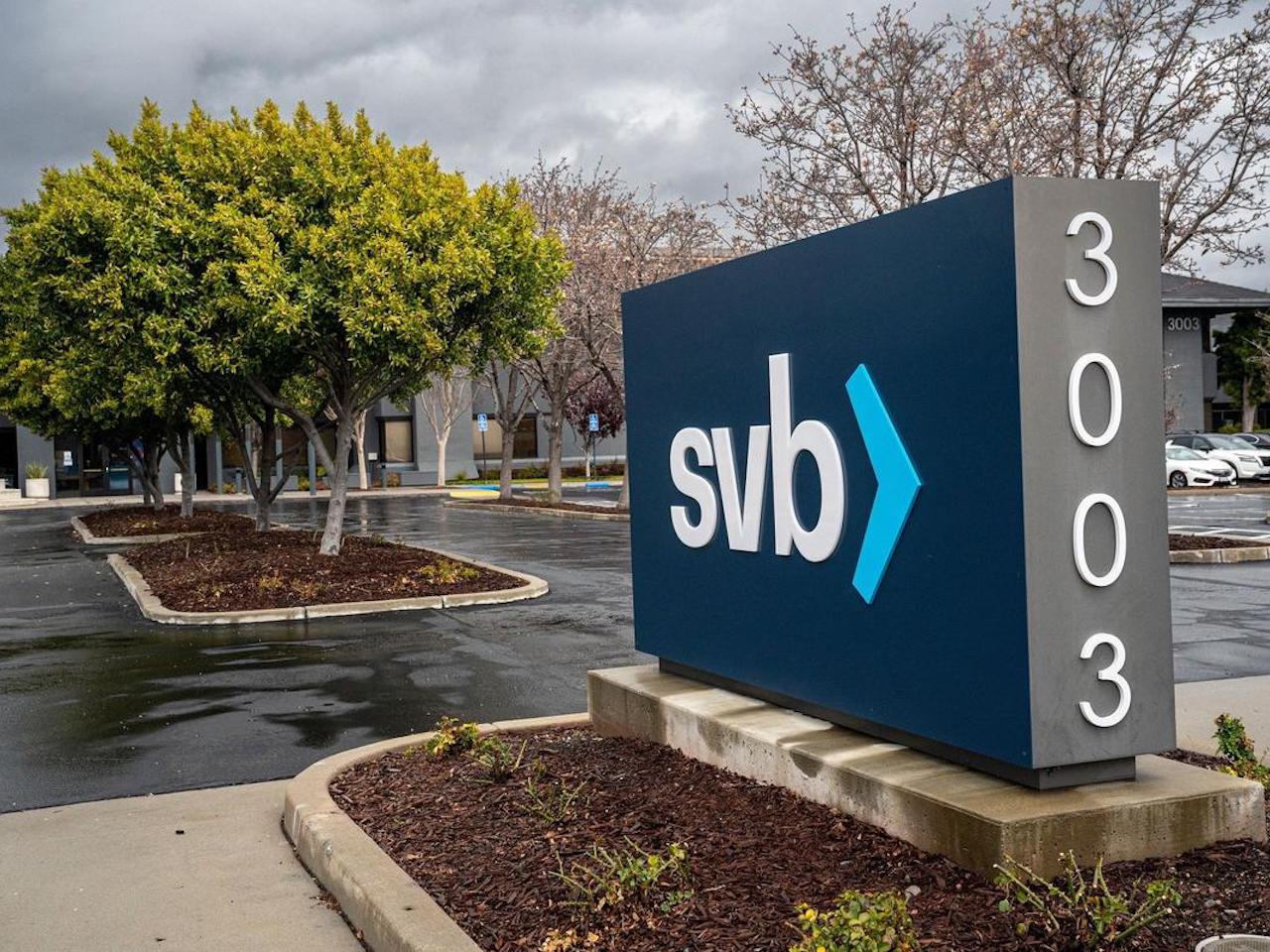
The collapse of Silicon Valley Bank (SVB) has sent shockwaves through communities, leaving countless individuals and businesses reeling from the aftermath. The bank’s failure has not only affected its customers but also had a ripple effect on the entire financial sector. As the news of SVB Financial Group’s decision to file for Chapter 11 bankruptcy protection broke, many were left wondering about the implications of this move. The human impact of this event cannot be overstated, with people’s lives and livelihoods hanging in the balance.
The Road to Bankruptcy
Just days after Californian regulators shut down Silicon Valley Bank, its parent company, SVB Financial Group, announced that it had filed for a court-supervised reorganization under Chapter 11 bankruptcy protection. This decision was made in an attempt to seek purchasers for its assets, after the failure of immediate steps to boost confidence and allay concerns about a financial contagion. The bank’s collapse was the worst since Washington Mutual failed during the 2008 financial crisis, and it has left many questioning the stability of the financial system.
The troubles for SVB began when it was compelled to sell a portfolio of treasuries and mortgage-backed securities to Goldman Sachs at a $1.8 billion loss, due to an increase in yields. In an attempt to raise capital, the bank tried to raise $2.25 billion in common equity and preferred convertible stock, but worried customers withdrew deposits, causing $42 billion in withdrawals in a single day. This massive loss of funds ultimately led to the bank’s demise, and its parent company is now seeking to reorganize and sell its assets.
Consequences and Next Steps
The news of SVB Financial Group’s bankruptcy filing has had a significant impact on the stock prices of big American banks, with declines of between 1.5% and 2% in premarket trading on Friday. The company has stated that the funds and general partner entities of SVB Securities and SVB Capital were not included in the Chapter 11 filing, and that it still intends to move forward with the process of evaluating alternatives for the businesses as well as its other assets and investments. According to Reuters, the parent business was considering filing for bankruptcy protection in order to sell assets, and it reported having around $2.2 billion in liquid assets, down from $209 billion in assets at the end of the previous year.
Looking Ahead
As the situation continues to unfold, it is essential to keep a close eye on the developments surrounding SVB Financial Group’s bankruptcy filing. The company’s decision to seek a court-supervised reorganization will likely have far-reaching consequences, not only for its customers and employees but also for the entire financial sector. In the coming days and weeks, it will be crucial to watch for any updates on the sale of the company’s assets, as well as the potential impact on the broader economy. Additionally, the investigation into strategic alternatives for SVB Capital, SVB Securities, and other entities will be an important aspect to follow, as it may provide insight into the future of these businesses and the overall direction of the company. As the financial landscape continues to evolve, one thing is certain – the collapse of Silicon Valley Bank will have a lasting impact on the lives of many, and it will be essential to stay informed about the developments that follow.























 has sent shockwaves through communities, leaving countless individuals and businesses reeling from the aftermath....)