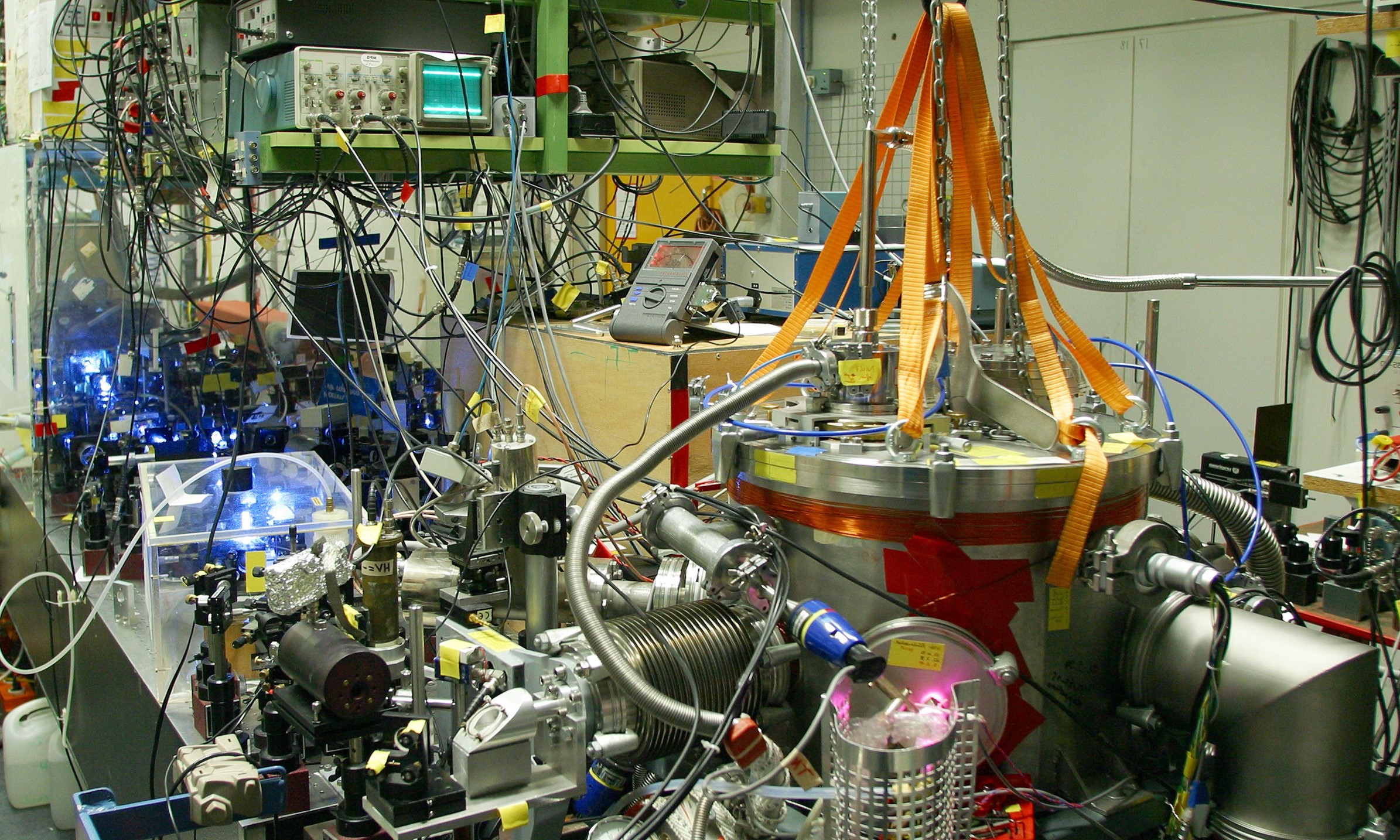
For families living in areas plagued by air pollution, the promise of cleaner energy is a matter of personal importance. Communities affected by the negative impacts of fossil fuels are eager for alternatives that can improve their quality of life. A recent breakthrough by US scientists may bring them one step closer to a healthier environment. Researchers at the University of Kansas and the U.S. Department of Energy’s Brookhaven National Laboratory are on the cusp of a revolutionary discovery: creating pure hydrogen without relying on fossil fuels.
This development has the potential to redefine energy production and bring about a significant reduction in pollution. The discovery, published in the Proceedings of the National Academy of Sciences, sheds light on the intricate chemical reactions involved in the creation of clean fuels like hydrogen. According to James Blakemore, associate professor of chemistry at the University of Kansas, “Our paper presents data that were hard-won from specialized techniques to understand how a certain catalyst for hydrogen generation does the job.” The years of tireless research that have led to this momentous achievement are a testament to the dedication of the scientists involved.
The Science Behind the Breakthrough
The study focused on a catalyst based on a pentamethylcyclopentadienyl rhodium complex, known as [Cp*Rh] for short. These rare metals exhibited promising characteristics, making them ideal candidates for this cutting-edge research. The successful study of this catalyst has paved the way for a potential breakthrough in pure hydrogen production. The implications of this research are far-reaching, with potential applications in various fields, including the recycling of nuclear fuels and the handling of actinide species.
The significance of this discovery extends beyond the scientific community. It has also provided a powerful springboard for young researchers involved in the project. Several students who worked on the project are now leveraging their experience to further their academic and professional careers. This development is a triumph not only for the scientists involved but also for the world at large, which is eager for cleaner, greener energy solutions.
A Cleaner, Greener Future
Some scientists argue that the shift towards renewable energy is crucial for reducing pollution and promoting sustainability. While the causation debate remains open, one thing is clear: the need for clean air, clean water, and conservation is universally acknowledged. The discovery of pure hydrogen production has the potential to contribute significantly to this effort. As the world continues to grapple with the challenges of energy production, this breakthrough offers a glimmer of hope for a cleaner, greener future.
What’s Next
As the scientific community continues to build on this discovery, it will be exciting to watch how this breakthrough unfolds. Will the production of pure hydrogen become a viable alternative to fossil fuels? How will this development impact the environment and the communities affected by pollution? As researchers at the University of Kansas and the U.S. Department of Energy’s Brookhaven National Laboratory continue to push the boundaries of innovation, one thing is certain: the future of energy production is looking brighter than ever. With the potential for advancements in recycling, conservation, and sustainability, this discovery is just the beginning of a new era in clean energy. As the world waits with bated breath to see the impact of this breakthrough, one thing is clear: the future of energy production will be shaped by the brilliant minds working tirelessly to create a cleaner, greener world.