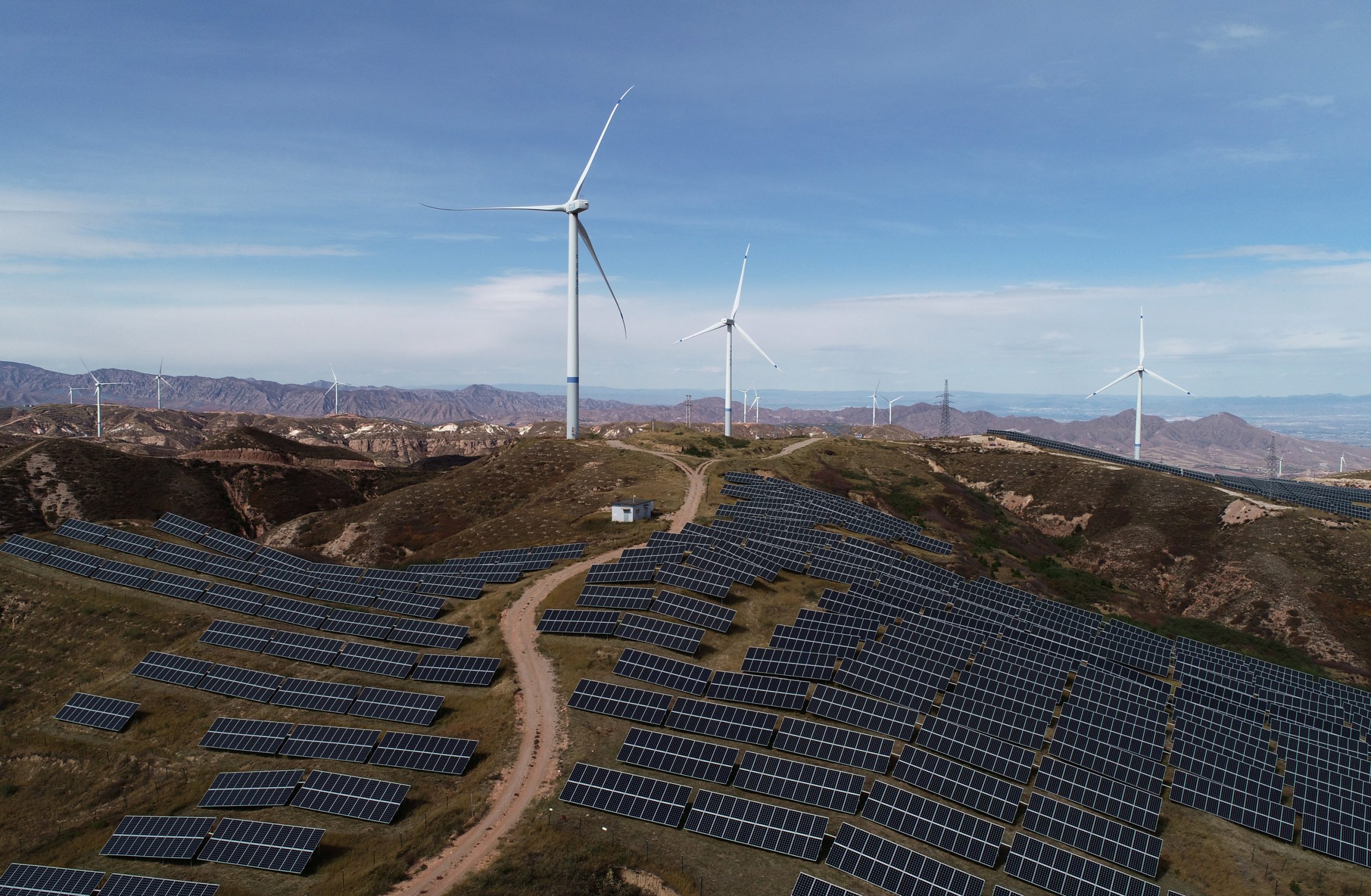
As of February 2026, China has reached a significant milestone in its transition to renewable energy, with clean electricity capacity exceeding fossil fuel-based electricity generation for the first time. This achievement marks a major step forward for the country, which is the world’s top electricity producer from renewable energy sources. China’s renewable energy capacity has been growing rapidly, outpacing the growth of fossil fuels and nuclear power capacity.
China’s installed renewable capacity has been increasing steadily, with over 430 GW of renewables installed in 2025. This brings the total installed renewable capacity to over 2.34 TW by the end of 2025. The country’s commitment to renewable energy is driven by its goal to achieve peak emissions by 2030 and carbon neutrality by 2060. Notably, emissions may have already peaked in 2024, six years ahead of the 2030 goal, although this has not been officially confirmed as of February 2026.
Despite being the world’s largest installed capacity of hydro, solar, and wind power, China’s energy needs are so large that fossil fuels still provide the majority of power. However, the country is making significant progress in increasing the share of renewable energy in its overall energy mix. In 2020, as part of the Central Committee’s fourteenth five-year plan, a target was set to achieve 20% of total energy production from non-fossil fuel sources by 2025. As of February 2026, China’s clean electricity capacity has reached 52%, exceeding its fossil fuel-based electricity generation for the first time.
Electricity generation from renewable energy accounts for about 35% of total electricity, while the renewable share in total energy consumption is much lower. This disparity highlights the challenges China still faces in transitioning its energy sector, particularly in areas such as transportation and industry. Nevertheless, the country sees renewables as a source of energy security, not only as a means to reduce carbon emissions. This perspective underscores the importance of renewable energy in China’s long-term energy strategy.
Renewable Energy Capacity and Targets
China’s rapid growth in renewable energy capacity is driven by government policies and investments in the sector. The country’s target to achieve 20% of total energy production from non-fossil fuel sources by 2025 has been a key driver of this growth. While the exact mechanisms for achieving this target are complex and multifaceted, the outcome is clear: China has made significant strides in increasing its renewable energy capacity. As the country continues to invest in renewable energy, it is likely that the share of non-fossil fuel sources in the energy mix will continue to grow.
Looking ahead, China’s progress in renewable energy will be closely watched. As the country continues to work towards its goal of carbon neutrality by 2060, its energy sector will likely undergo significant changes. The transition to renewable energy will require continued investment and innovation, as well as careful planning to ensure a stable and reliable energy supply. As of February 2026, China has taken a major step forward in its transition to renewable energy, and the coming years will be crucial in determining the success of its long-term energy strategy.