IRGC officials have warned that attacking Iran’s infrastructure could trigger a response involving the severing of undersea internet cables in the Strait of Hormuz, a development that carries immediate implications for global connectivity and regional energy markets.
Strategic Shift to Asymmetrical Defense
The Islamic Revolutionary Guard Corps (IRGC) has publicly declared a transition to an offensive and asymmetrical defense doctrine. According to IRGC spokesman Hossein Mohebi, this shift means that if any country attacks Iran, the response will be both defensive and offensive. Mohebi stated explicitly that there are no red lines for retaliation in this new framework.
This doctrinal change follows a significant increase in military capacity reported by the organization. The IRGC spokesman noted that its missile stockpile has increased 1.5 times since the conflict between Iran and Israel in June 2025. Analysts note that this buildup is part of a broader strategy to prepare for prolonged warfare rather than short skirmishes.
Mohsen Rezaei, Secretary of the Supreme National Security Council of Iran, expanded on the scope of potential retaliation. In an October 22 statement, he indicated that in the event of a new attack by the United States and Israel, Iran would target oil facilities, undersea cables, data centers, and artificial intelligence infrastructure across seven Gulf states.
The targeting of digital infrastructure represents a significant escalation from previous conflicts. By identifying data centers and AI systems as legitimate targets, the IRGC is signaling that cyber capabilities are now integrated into its kinetic military planning. This approach aims to disrupt the economic and operational lifelines of regional adversaries simultaneously with physical strikes.
Recent Naval Operations in the Northern Gulf
Claims of increased capability are supported by recent reports of naval activity in the northern Gulf. The IRGC navy reported that four vessels it accused of being involved in illegal oil transfers were struck and caught fire. These incidents occurred according to statements made by the IRGC.
In a separate incident west of the Strait of Hormuz, the organization stated that three other vessels hit mines. These actions demonstrate the operational reach of Iranian naval forces in contested waters. The strikes on shipping lanes have contributed to rising concerns about the security of maritime routes used for global trade.
Market reactions to these developments have been swift. Brent crude oil climbed above $110 a barrel amid fears of further disruptions to Gulf shipping lanes. Reports indicate that Brent crude was trading at $114 a barrel, marking the highest level since May. This price surge reflects investor anxiety regarding the stability of key energy corridors.
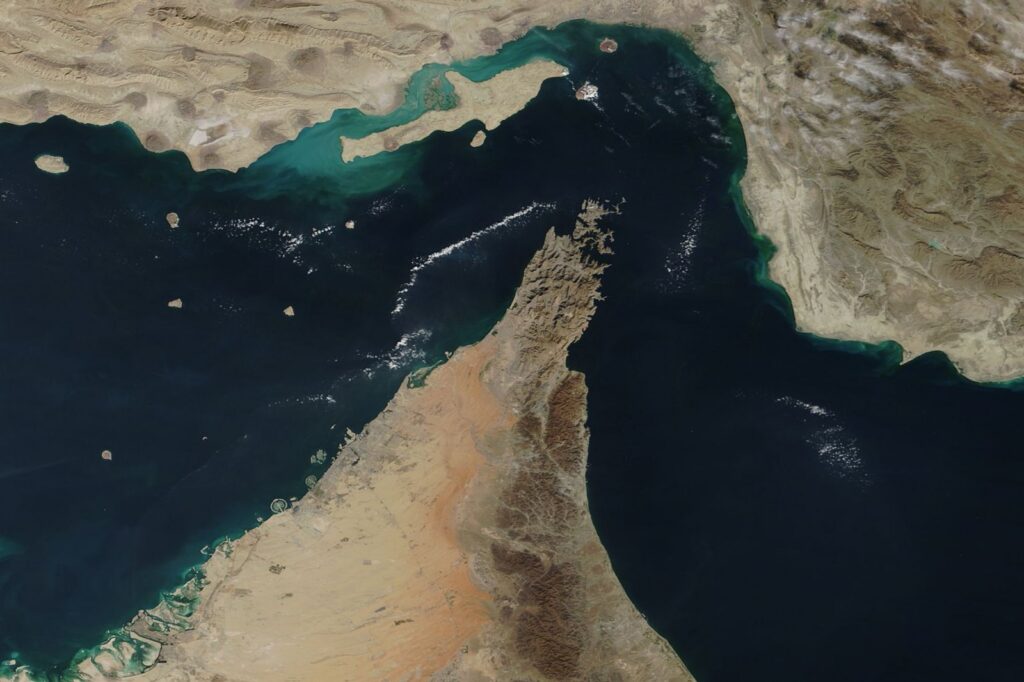
The volatility in energy markets underscores the strategic importance of the Strait of Hormuz. Any threat to the physical or digital infrastructure within this narrow waterway creates immediate ripple effects across global supply chains. Investors and policymakers are closely monitoring statements from Tehran for signs of escalating conflict.
Regional Tensions and Border Clashes
Tensions in the region extend beyond direct confrontations between major powers. Recent reports indicate clashes involving Kurdish opposition groups near the Iran-Iraq border. The death of a captain in the IRGC has led to questions about increasing friction in the Qandil mountain range.
The Kurdistan Free Life Party (PJAK) and other groups have faced intensified operations in the Shaho mountain range. Reports suggest that Iran has moved artillery into these areas and is utilizing drones for monitoring and strikes. These localized conflicts highlight the complexity of Iran’s security posture, which combines high-tech threats with asymmetric warfare against non-state actors.
The strategic implications for India and Asia are significant. As a major importer of energy from the Persian Gulf, India relies on the uninterrupted flow of oil through these waters. Disruptions to undersea cables could also impact financial markets in Mumbai and Singapore, which depend on robust digital infrastructure for trading and communication.
Implications for Global Infrastructure
The threat to sever undersea fiber cables represents a dual-use capability. While primarily targeting adversaries’ communications, such actions could inadvertently affect international connectivity if the strikes are not precisely calibrated or if collateral damage occurs.
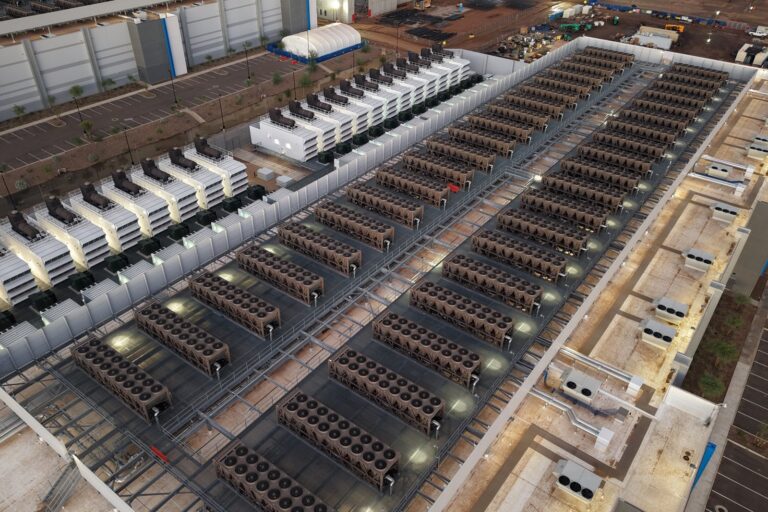
Data centers in the Gulf region serve as critical nodes for global internet traffic. Attacks on these facilities would not only disrupt regional services but could also impact cloud computing operations that support businesses worldwide. The integration of AI infrastructure into the target list further suggests an understanding of modern technological dependencies.
For Asian markets, particularly India, the stability of Gulf energy routes and digital connectivity is paramount. Any escalation involving threats to undersea cables would require immediate contingency planning by governments and private sector operators. The calm but vigilant approach required involves diversifying supply chains and enhancing cybersecurity protocols.
As the situation develops, observers will watch for further statements from Tehran regarding specific targets in the Gulf. The combination of kinetic strikes against shipping vessels and threats to digital infrastructure creates a multifaceted challenge for regional stability. Market participants must remain informed as these geopolitical dynamics evolve.
IRGC Navy’s Maritime Mining Operations
The IRGC navy has explicitly claimed responsibility for mining operations in the critical waterways of the Persian Gulf. According to IRGC statements, three commercial vessels were struck by mines west of the Strait of Hormuz, an area vital for global oil shipments. These incidents follow earlier reports from the IRGC that four vessels accused of conducting illegal oil transfers were struck and set ablaze in the northern Gulf. The organization characterized these actions as necessary responses to what it describes as threats to national interests, further escalating the security dilemma in one of the world’s most strategic maritime chokepoints.
Naval analysts tracking the region note that the deployment of mines in such a confined and heavily trafficked strait represents a significant increase in the risk profile for commercial shipping. The IRGC’s stated intent to mine key passages comes alongside its broader declaration of an “offensive and asymmetrical” defense doctrine. With the Strait of Hormuz serving as the conduit for roughly 20 percent of the world’s petroleum liquids, any mining activity or reported strikes in the vicinity create immediate hazards for tankers and bulk carriers navigating the route.
Sources
- IRGC official threatens internet cables in Hormuz if Iran infrastructure is attacked
- Kurdish opposition kills IRGC officer near Iraq-Iran border as tensions increase | The Jerusalem Post
- Iran’s Islamic Revolutionary Guard Corps Prepares Prolonged War as U.S. and Israel Plan Strikes After November 3: how 33 outlets framed it | NewsCord
Photo: MODIS Land Rapid Response Team, NASA GSFC (Public domain)