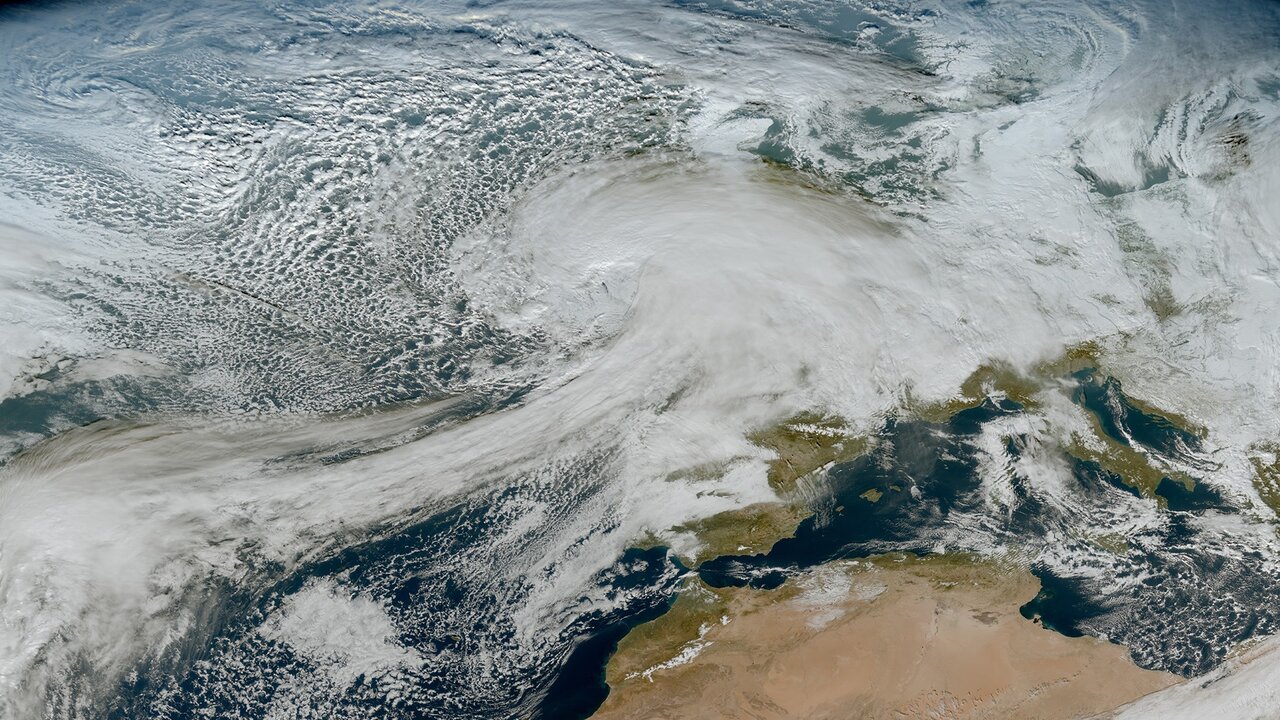
The death toll from the severe weather in the United States has risen to 18, as a slow-moving weather system and a stationary front continue to bring widespread devastation across the Southern and Midwestern regions. The severe weather outbreak, which began on April 2, has caused both a devastating tornado outbreak and historic, life-threatening flash flooding, affecting millions of people across the affected areas.
A closer look at the affected regions reveals the extent of the damage. In Owasso, Oklahoma, a tornado struck on April 2, causing significant damage to homes and disrupting the lives of local residents. Similarly, in Nevada, Missouri, an EF1 tornado removed roofs from homes and injured at least one person, highlighting the destructive power of these storms. An EF2 tornado also caused significant damage in other parts of the region, underscoring the need for communities to be prepared for such extreme weather events.
The Storm Prediction Center (SPC) had been monitoring the Mississippi Valley and surrounding regions since March 28, anticipating the potential for severe weather. On April 2, the SPC issued a rare high risk warning, indicating a high likelihood of severe thunderstorms and tornadoes. This warning came just weeks after a historic tornado outbreak in the same general area, highlighting the region’s vulnerability to such events. The SPC’s warning system is a critical tool in helping communities prepare for and respond to severe weather, and its accuracy has been instrumental in saving lives and reducing damage.
As the situation continues to unfold, emergency responders and relief teams are working tirelessly to provide aid and support to affected communities. The full extent of the damage is still being assessed, but it is clear that the recovery efforts will be long and challenging. In the face of such devastation, it is a reminder of the importance of preserving our natural environment and promoting sustainable practices. A clean planet is essential for the well-being of both humans and wildlife, and it is our responsibility to protect it for future generations. Investing in renewable energy sources, such as wind and solar power, can also help reduce our reliance on fossil fuels and promote energy security and cost savings.
The economic impact of the severe weather outbreak is also a concern, as damaged homes, businesses, and infrastructure will require significant investment to repair and rebuild. However, this challenge also presents an opportunity to rebuild and revitalize affected communities in a sustainable and resilient way. By incorporating green building practices and renewable energy systems into the rebuilding efforts, communities can reduce their environmental footprint and create a more sustainable future. As the recovery efforts get underway, it will be essential to prioritize sustainable practices and environmentally responsible decision-making to ensure that the affected regions are rebuilt in a way that promotes long-term environmental health and stability.
Looking ahead, it is clear that the road to recovery will be long and challenging. However, with the support of emergency responders, relief teams, and local communities, it is possible to rebuild and revitalize the affected regions in a sustainable and resilient way. As we move forward, it will be essential to prioritize environmental sustainability and promote practices that reduce our impact on the planet. By working together, we can create a cleaner, healthier, and more sustainable future for all, and ensure that our planet remains a thriving and vibrant home for generations to come.