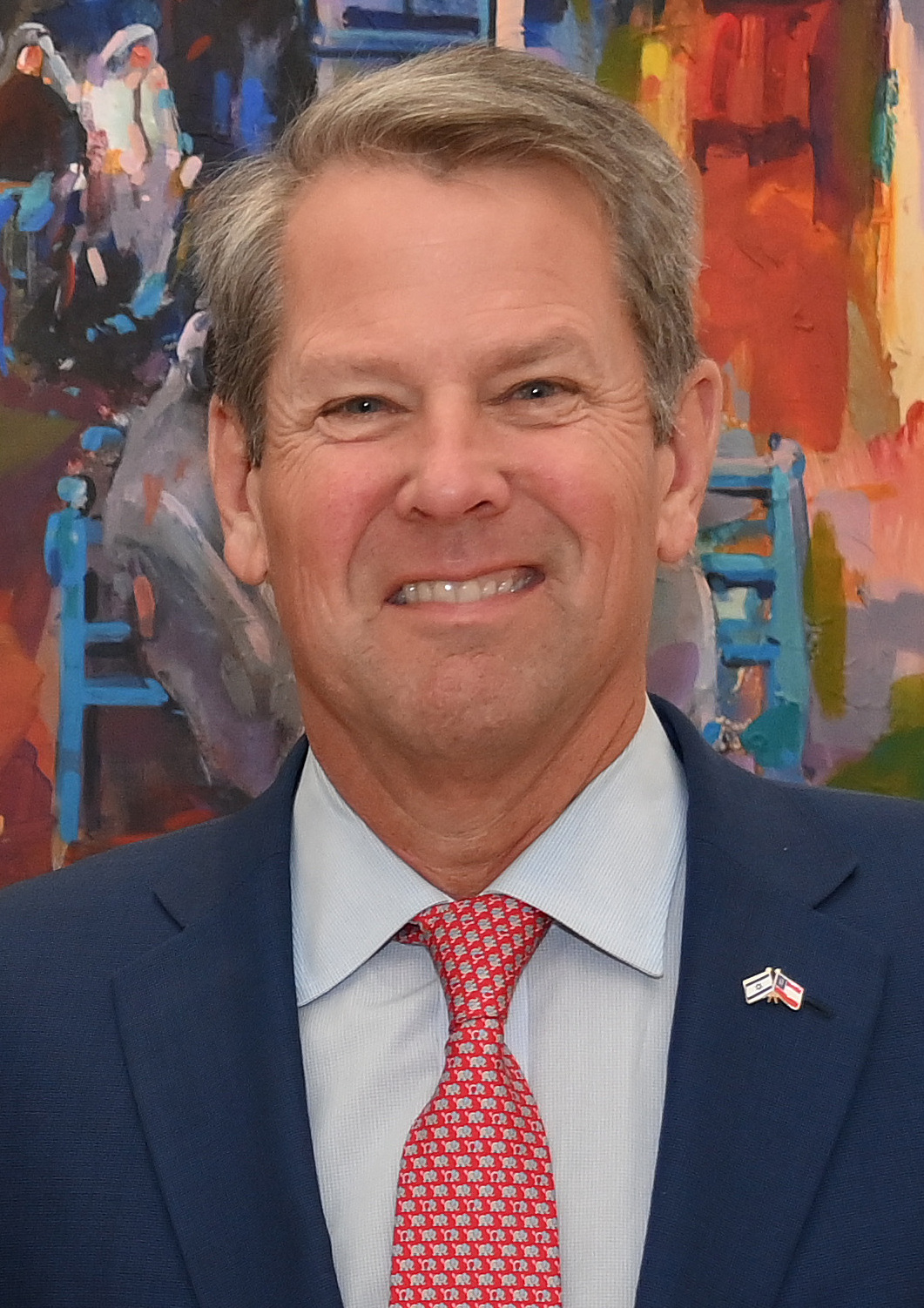
On April 24, 2026, Georgia governor Brian Kemp announced that two large wildfires in southeast Georgia have destroyed over 120 homes, leaving a trail of devastation in their wake. The governor’s statement highlights the severity of the situation, with the affected communities facing significant challenges in the aftermath of the disaster. As the state’s head of government, Governor Kemp is responsible for enforcing state laws and overseeing the response to emergencies like this one.
The wildfires, which have been raging in southeast Georgia, have not only destroyed homes but also posed a significant threat to the environment and local wildlife. The impact of such disasters on the ecosystem can be long-lasting, with potential effects on air and water quality, as well as the habitats of various species. As the governor and state authorities work to contain the fires and provide support to those affected, concerns about the environmental consequences of the disaster are likely to grow. A clean and healthy planet is essential for the well-being of both humans and wildlife, and events like this one underscore the need for continued efforts to protect and preserve the natural world.
As the commander-in-chief of the state’s National Guard, Governor Kemp has the authority to deploy troops to assist with disaster response and relief efforts. The National Guard has likely been involved in the response to the wildfires, working to evacuate people from the affected areas, provide support to firefighters, and help with the distribution of aid to those in need. The governor’s ability to convene the legislature into special session may also be relevant in the coming days, as state lawmakers consider how to provide additional support to the affected communities and address the long-term consequences of the disaster.
The economic impact of the wildfires should not be underestimated, with the destruction of over 120 homes resulting in significant financial losses for the affected families and the state as a whole. As the community begins to rebuild, there will be a need for investment in renewable energy sources, such as solar and wind power, to reduce reliance on non-renewable energy sources and promote energy security. By transitioning to cleaner, more sustainable energy sources, Georgia can reduce its energy costs and enhance its economic competitiveness, while also protecting the environment and promoting a healthier planet.
Looking ahead, the road to recovery for the affected communities will be long and challenging. Governor Kemp and state authorities will need to work closely with local residents, businesses, and organizations to provide support and resources, as well as to develop strategies for preventing and responding to future disasters. This may involve investing in fire prevention and mitigation measures, such as forest management and fire breaks, as well as promoting sustainable land use practices and reducing the risk of wildfires through education and outreach programs. By taking a proactive and sustainable approach to disaster response and recovery, Georgia can build a more resilient and environmentally conscious community.
As the people of Georgia come together to respond to the wildfires and support those affected, there is a growing recognition of the need for a cleaner, healthier planet. By prioritizing environmental protection and promoting sustainable practices, the state can reduce the risk of disasters like this one and create a better future for generations to come. As the response to the wildfires continues, it is clear that the path forward will require a commitment to preserving the natural world and promoting energy security through the use of renewable energy sources. With leadership and cooperation, Georgia can emerge from this disaster stronger, more resilient, and more dedicated to protecting the planet.