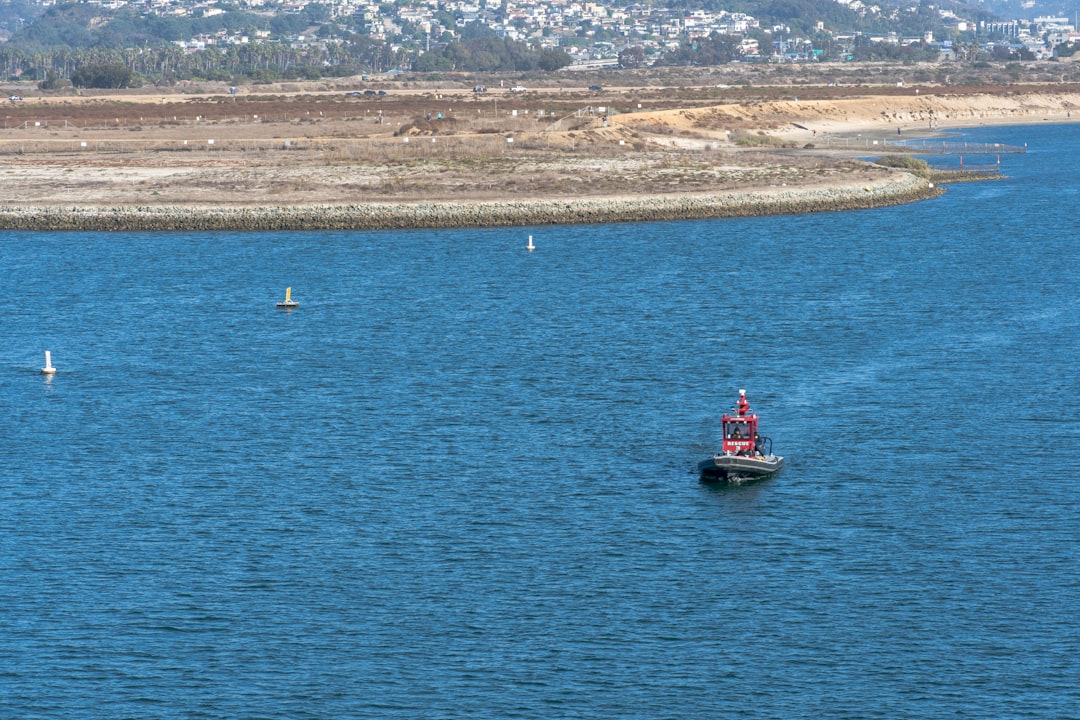
The two children airlifted from the capsized migrant boat off El Hierro were fighting for their lives in a hospital Wednesday, as rescue workers continued to search waters around the Canary Islands for survivors. A medical helicopter evacuated them in critical condition after the vessel, carrying more than 100 people, overturned on May 28. Seven bodies had already been recovered. Four women and three girls drowned.
Spanish authorities now face the grim logistics of identification and notification. The dead are unnamed. The injured children are unnamed. The families waiting on shore, or back in West Africa, have no official word yet. For every migrant who reaches the Canary Islands alive, there is a chain of people waiting — relatives, smugglers who demand payment, local aid groups stretched thin. That chain now has broken links.
This was not a surprise. The Atlantic migration route from West Africa to the Canary Islands is one of the deadliest in the world. Boats leave from Mauritania, Senegal, and Morocco. They are often overcrowded, unseaworthy, and captained by people who have no maritime training. When a boat capsizes, the outcome is usually mass death. The difference here is that some survived. That means there will be witnesses. That means there will be accounts of what happened — who organized the crossing, how much passengers paid, whether anyone tried to stop the boat from leaving.
Spanish police and the Guardia Civil will take those statements. They will try to trace the smugglers. They will likely fail. The networks that run these crossings are diffuse, cash-based, and protected by layers of intermediaries. A captain may be a migrant himself, coerced into steering. The real organizers rarely leave West Africa.
The political fallout is already predictable. On the Spanish mainland, the government of Prime Minister Pedro Sánchez faces pressure from both sides. Conservative and far-right parties will demand stricter patrols and pushback operations. Humanitarian groups will call for more legal migration pathways and faster asylum processing. Sánchez has no good answer. The Canary Islands are a small archipelago with limited resources. They cannot absorb thousands of migrants per year. But Spain also cannot stop the boats without cooperation from origin countries — and that cooperation is inconsistent.
Three girls died. That fact will be used by both sides. For anti-migration voices, it is proof that the journey is too dangerous and must be prevented at all costs. For pro-migration advocates, it is proof that people will take any risk to escape poverty or violence, and that the only humane response is to open safe routes. Neither argument is wrong. Neither argument changes the fact that more boats are coming.
The weather in the eastern Atlantic is warming. The currents are favorable. The smuggling season is just beginning. Last year, thousands of people made it to the Canary Islands. Thousands more died trying. The May 28 capsizing near El Hierro is not an anomaly. It is a pattern repeating itself, and the two children in the hospital are the latest evidence that the pattern will continue until something fundamental shifts — in the economies of West Africa, in the migration policies of Europe, or in both.