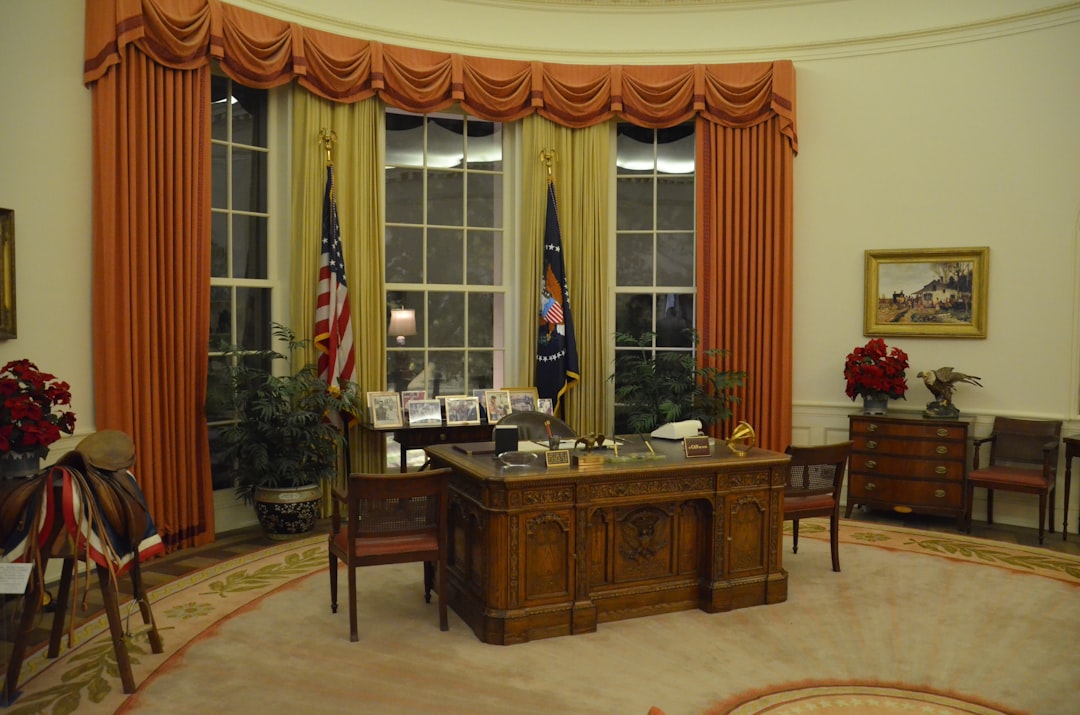
It was supposed to be a signing ceremony. A handshake, a photo op, a mineral rights deal worth billions for American companies in exchange for continued support. Instead, the Oval Office on February 28, 2025, became a stage for a public rupture between the United States and Ukraine, the likes of which has no modern precedent.
The televised meeting between President Donald Trump, Vice President JD Vance, and Ukrainian President Volodymyr Zelenskyy did not end with a signed agreement. It ended with Zelenskyy being shouted down, the deal dead, and an open question: can the U.S.-Ukraine alliance survive the Trump administration?
To understand how it got that bad, you have to look at what happened in the weeks before. Trump had been publicly pushing Kyiv to accept a ceasefire with Russia. He wanted the fighting to stop immediately so talks could start. Zelenskyy wanted guarantees — hard security commitments that the U.S. had not been willing to offer. Those two positions were on a collision course.
Then came Trump’s own words. He told the press that Ukraine was to blame for the Russian invasion. He called Zelenskyy a “dictator.” He later walked that back, but the damage was done. The relationship was already frayed before the two men ever sat down in the Oval Office.
The meeting itself was meant to smooth things over. The Ukraine–United States Mineral Resources Agreement was on the table. It would have given the U.S. access to Ukrainian rare earth minerals in exchange for continued backing. That is the deal that never got signed.
Instead, the last ten minutes of the meeting turned hostile. Trump and Vance took turns criticizing Zelenskyy, at times speaking over him. The Ukrainian president’s voice was drowned out. The cameras caught it all live. Foreign policy experts called it unprecedented — a sitting American president publicly dressing down a wartime ally in front of the press.
The tension was palpable. The meeting ended abruptly. No resolution. No handshake. No deal.
What remains unclear is what happens next. The U.S. has been Ukraine’s biggest backer in its fight against the Russian invasion. Without that support, Kyiv’s position on the battlefield weakens. Trump has made clear he wants a quick end to the war, even if it means Ukraine conceding territory. Zelenskyy has made clear he will not accept a bad peace.
The mineral rights deal was supposed to be the mechanism that kept both sides at the table. Now it is dead. And the public nature of the breakdown makes a quiet fix nearly impossible. Every world leader saw what happened. Every Russian official saw it too.
This was not a diplomatic spat that gets smoothed over in a private phone call. This was a public humiliation of a foreign leader inside the White House. It changes the calculus for everyone. Allies watching will wonder if the U.S. can be counted on. Adversaries will see an opening. And Ukraine, still fighting a war, just lost its most powerful advocate in the room where it mattered most.