
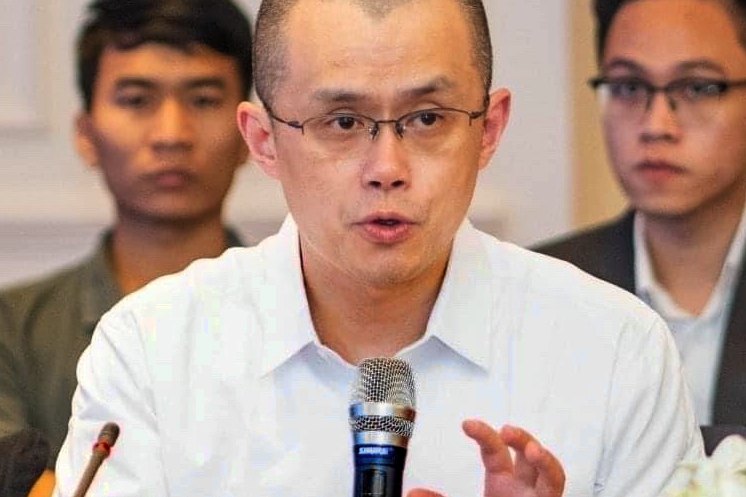
Changpeng Zhao, the founder of Binance and the wealthiest individual in Canada, received a presidential pardon from Donald Trump in October 2025, eight months after his release from prison in September 2024. The pardon erased his criminal record, freeing him from the constraints of a felony conviction that had shadowed his business activities. Zhao’s net worth is estimated at $111.1 billion by Forbes, ranking him as the 17th-richest person globally. This financial standing now carries greater weight, as the capital he controls can move without the legal impediments that previously limited his options.
His legal troubles began when he pleaded guilty to violations of the Bank Secrecy Act and the International Emergency Economic Powers Act, leading to his resignation as Binance CEO in November 2023. A federal judge sentenced him to four months in prison in April 2024, a term he completed by September of that year.
The pardon has significant implications for Binance, the world’s largest cryptocurrency exchange, which Zhao co-founded and built. Although he no longer manages daily operations, his name remains synonymous with the company. The removal of his felony conviction lifts a reputational burden that had deterred banks and institutional investors from engaging with the exchange.
While compliance teams still face regulatory challenges, the personal criminal liability that once hung over Zhao is no longer a factor. Other executives in the cryptocurrency sector are closely observing Zhao’s trajectory.
His case establishes a precedent: a founder of a major exchange can face federal charges, serve a short sentence, receive a presidential pardon, and retain substantial wealth. This does not guarantee leniency from the Department of Justice in future cases, but it highlights how quickly political dynamics can shift. Trump’s pardon, issued after Zhao had already served his time and paid any penalties, aligns with the administration’s broader outreach to the crypto industry.
Zhao’s experience includes a role as chief technology officer at OKCoin before founding Binance, giving him deep knowledge of exchange operations and regulatory pressures. His ability to navigate market cycles has preserved his wealth, which now stands without legal encumbrances.
His next steps remain uncertain. He could return to an active role at Binance or Blockchain.com, another company he supports, launch new ventures, or simply maintain his position and let his wealth grow. His net worth fluctuates with cryptocurrency prices, rising in bull markets and falling in downturns, but his personal freedom to act is fully restored.
The narrative of Zhao’s journey—building a massive enterprise, facing regulatory consequences, serving a sentence, receiving a pardon, and remaining wealthy—will likely influence boardroom discussions and business pitches for years. Most founders lack his $111.1 billion fortune or presidential connections, but the story now exists as a reference point.
His legacy was already established through Binance’s decade-long dominance in crypto trading. The legal battle and prison term added a chapter, and the pardon closed it. The industry now moves forward with its most prominent figure legally clear and financially dominant.




