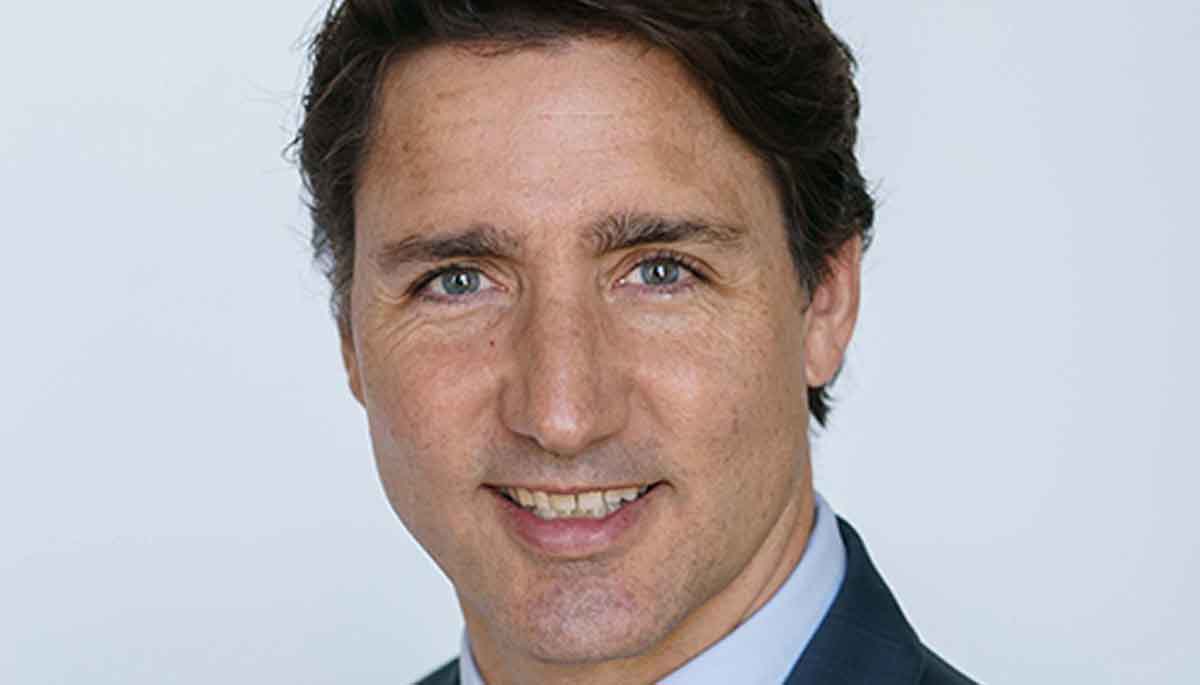
On March 22, 2022, Canadian Prime Minister Justin Trudeau announced that his Liberal Party had reached a deal with the opposition New Democratic Party to keep his party in power until 2025. This agreement was made in Toronto, Canada, and is expected to provide stability to the government, allowing it to function with predictability and implement budgets. Trudeau’s Liberal Party won reelection in September but failed to win a majority of seats in Parliament, forcing them to rely on the opposition to pass legislation.
the agreement and its implications
The deal between the Liberal Party and the New Democratic Party will see the NDP support Trudeau’s Liberals in exchange for deals on pharmaceutical and dental care plans. However, the NDP will not have a lawmaker in Trudeau’s Cabinet, and Trudeau has stated that the NDP will not have a veto on any budget or legislation. According to Trudeau, “What this means is during this uncertain time the government can function with predictability and stability. Present and implement budgets and get things done for Canadians.” He also emphasized the importance of focusing on areas of agreement, saying “We’ve agreed to work together, it’s about focusing on what we agree on instead of what we disagree on.”
reaction from the opposition
Not everyone is pleased with the deal, however. Interim Conservative Party leader Candice Bergen has criticized the agreement, calling it “nothing more than a Justin Trudeau power grab.” She also stated that “This is an NDP-Liberal government and they have the majority.” Trudeau has responded to these criticisms, saying that he plans to run again in the next election, which must be held by 2025. As he put it, “As I’ve said a number of times, I am planning on continuing to serve Canadians through and beyond the next election.” Despite this, there are doubts about whether he will actually follow through on this plan, given that he would have been in power for 10 years by then.
trudeau’s legacy and popularity
Trudeau’s time in office has been marked by both successes and setbacks. When he first took office in 2015, he was seen as a charismatic young leader, evoking the “sunny ways” of his campaign. He has been reelected twice since then, but his popularity has dropped in recent years, particularly in western Canada. According to Daniel Beland, a politics professor at McGill University in Montreal, the agreement with the NDP will provide stability to Trudeau’s government and promote left-leaning spending priorities. Beland also noted that Trudeau’s tenure is impressive, and that he could become one of the longest-serving Prime Ministers in recent Canadian history, alongside Jean Chrétien and Stephen Harper.
analysis and outlook
Beland also drew comparisons between Trudeau and his father, Pierre Trudeau, who was prime minister from 1968 to 1984. Pierre Trudeau was known for his charisma and remains one of the few Canadian politicians widely recognized in the United States. As Beland put it, “However, his father Pierre Trudeau, the third longest-serving Prime Minister in Canadian history, served for more than 15 years, a performance his son might struggle to emulate.” Despite the challenges ahead, Trudeau remains committed to serving Canadians, and his deal with the NDP is expected to have a significant impact on the country’s politics and policy agenda. As the next election approaches, it will be interesting to see how Trudeau’s government navigates the complexities of Canadian politics and whether he will be able to maintain his position as Prime Minister. With the agreement in place, Trudeau’s government will be able to focus on implementing its policies and addressing the needs of Canadians, at least until the next election in 2025.