Five people are dead. Two more are missing. That is the toll Tropical Storm Fengshen left behind after it slammed into the Philippines on October 19.
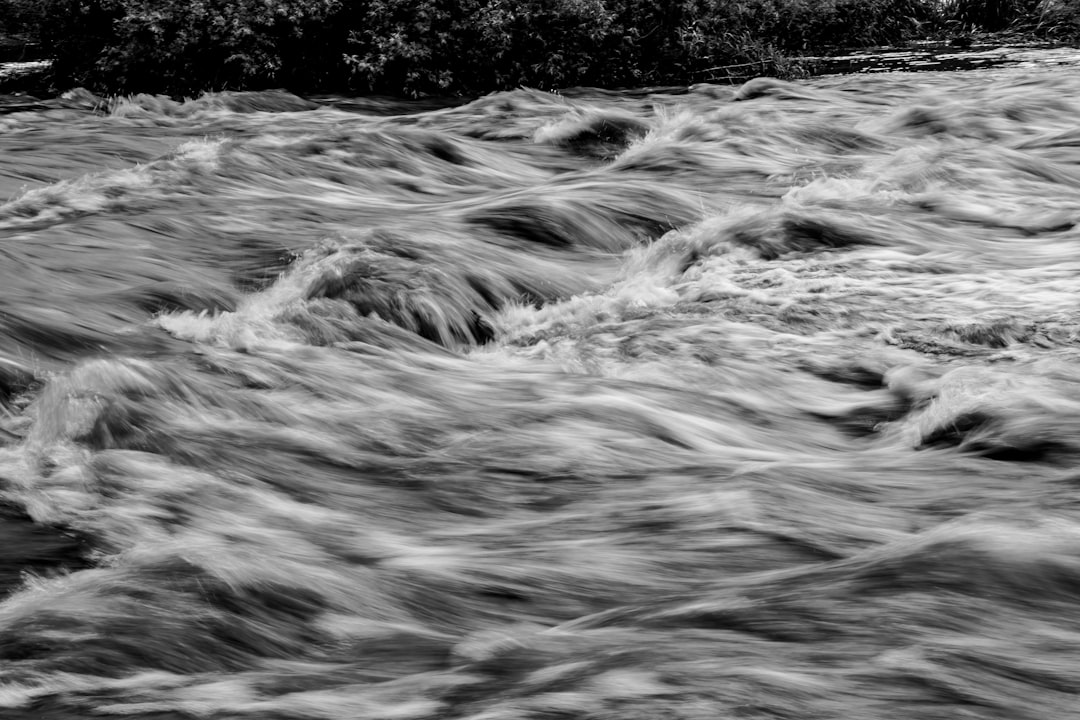
The storm, known locally as Ramil, did not strike evenly. In Mindanao, a landslide buried part of the region. In Luzon, heavy flooding swallowed roads and homes. The combined effects killed five and left search teams still looking for the two unaccounted for.
Fengshen was the twenty-fourth named storm of the 2025 Pacific typhoon season. It was first spotted by the Japan Meteorological Agency on October 12 as a tropical depression. By the time it made landfall, it had already confused forecasters once.
The storm crossed into the South China Sea on October 15. There, it weakened into a low-pressure area. The Japan Meteorological Agency stopped issuing advisories. But the Joint Typhoon Warning Center kept watching. They were right to. On October 16, the storm began to regain strength. The Japan Meteorological Agency reissued its warnings. Fengshen was not done.
That shift in status matters. It shows how hard it is to track these storms. A system can weaken, then strengthen again. Forecasters have to stay alert. The public has to stay alert too.
The immediate fallout is clear. Five families are mourning. Two more are waiting for news. Floodwaters in Luzon are not receding quickly. The landslide in Mindanao buried more than just ground — it buried crops, maybe livestock, certainly livelihoods. The Philippines is an archipelago that takes these hits regularly. But regular does not mean easy.
Long-term effects are harder to see now but just as real. The storm hit farmland. It hit communities that depend on what they grow and what they catch. When a storm like this tears through, it does not just wash away roads. It washes away income. Recovery takes months. Some never fully recover.
The environment takes a hit too. Heavy rain on bare hillsides causes landslides. Flooding carries debris and pollution into rivers and coastal waters. The damage to ecosystems can linger longer than the floodwaters.
This is the kind of storm that forces hard questions. How do you protect people when the weather keeps getting harder to predict? How do you build homes and roads that can take a beating every year? How do you keep food on the table when the fields are under water?
There are no easy answers. The storm has passed, but the consequences are just beginning to unfold. The missing may not be found. The dead will be buried. The living will have to rebuild.
That rebuilding is what comes next. It always does. The question is whether it will be done better this time, or whether the next storm will find the same weaknesses all over again.