Lumajang, East Java — The wreckage has been cleared. The train has moved on. But for a cluster of families in this small city near the Semeru volcano, Sunday’s crash leaves a permanent void. Eleven people are dead, all of them from a single minibus, torn apart by a passenger train at a level crossing that had no gates, no lights, no warning system at all.
PT Kereta Api Indonesia, the state railway known as KAI, halted its train for hours at the scene. Investigators walked the tracks. Emergency responders pulled bodies from the crumpled vehicle. The dead were all local residents, according to authorities. The train’s crew said they sounded the horn. The minibus driver did not stop.
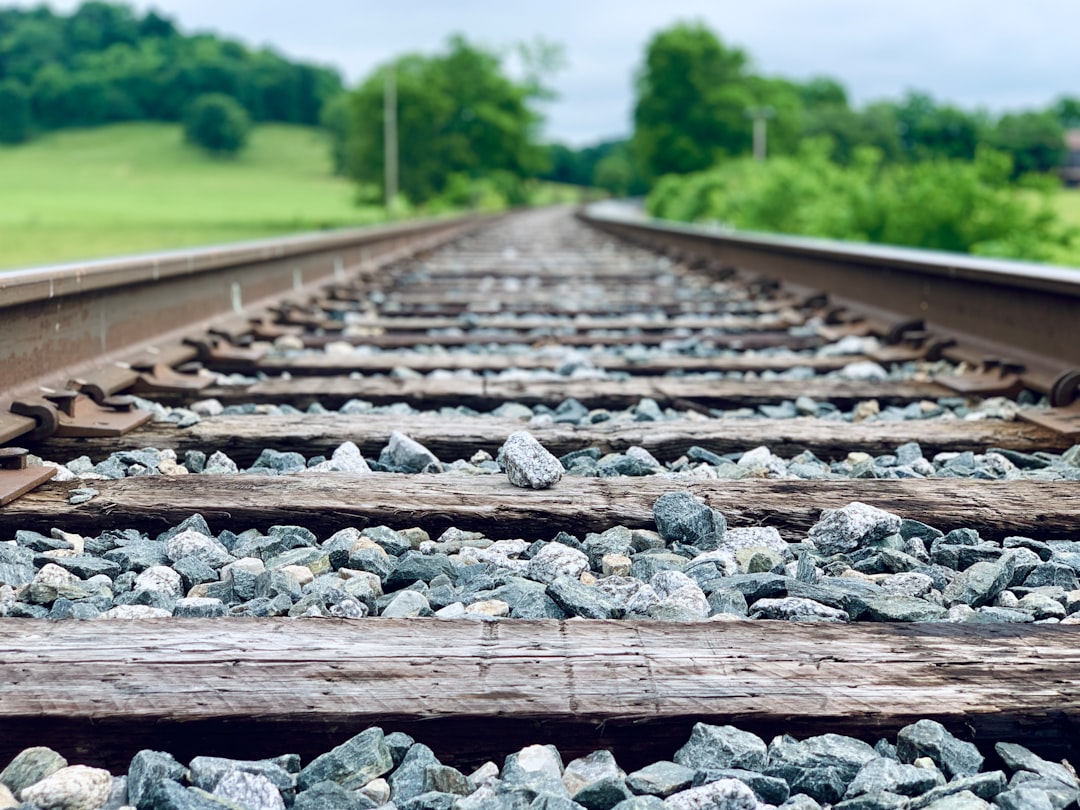
That crossing — one of thousands across rural Java without barriers — is now a crime scene and a question mark. KAI has been here before. The company has spent years pressing local governments to fund basic safety upgrades at level crossings. Gates. Flashing lights. Audible alarms. Things that cost far less than eleven lives. The pitch has not worked fast enough.
Sunday’s death toll is not an outlier. It is a pattern. Rural crossings across Indonesia’s rail network lack even the most rudimentary protections. Drivers approaching the tracks have nothing but their own eyes and ears to tell them a train is coming. On a Sunday afternoon in Lumajang, that was not enough.
KAI’s network stretches across Java, connecting major cities to towns like this one. The trains run on time, mostly. The crossings do not keep pace. The company has pushed for years, arguing the human cost of inaction is steeper than the price of a gate. Local governments, responsible for funding those upgrades, have moved slowly. Budgets are tight. Priorities compete. Meanwhile, the crossings stay open and unguarded.
The minibus was carrying what appeared to be a group of local residents. Nobody has said where they were going. The train sustained minor damage. The human toll was total. Eleven dead. No survivors reported from the minibus.
KAI officials confirmed the crossing lacked any safety barriers. They confirmed the horn was sounded. They confirmed the driver did not stop. What they cannot confirm is when the next unguarded crossing will claim its next victims. That is the question local governments now face.
The accident has reopened a long-running argument in Indonesia about who pays for rail safety. KAI runs the trains. Local governments control the crossings. The national government sets policy. Money and responsibility shift between the three, and the gaps persist. Rural Lumajang, at the base of an active volcano, is a long way from Jakarta’s budget meetings.
Sunday’s crash was not the first. It will not be the last. Not unless something changes. KAI has the data. It has the appeals. What it does not have is a guarantee that the next minibus driver will see the train in time. At an unguarded crossing, that guarantee does not exist.
Eleven families are now learning that lesson the hardest way. The rest of Java waits for the next one.