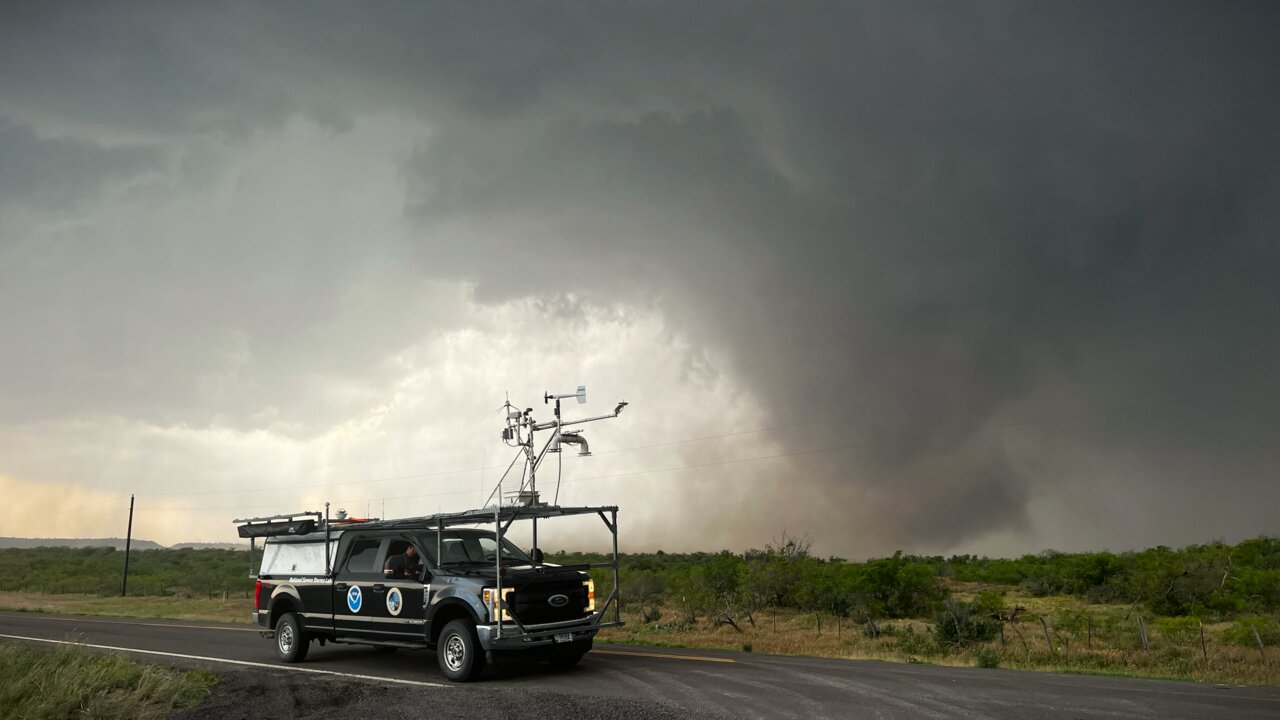
A devastating tornado struck Rancaekek, a region in Bandung, West Java, Indonesia, on February 21, 2024, leaving at least 33 people injured. The tornado’s impact has raised concerns about the region’s disaster preparedness and the need for swift relief efforts. As the people of West Java begin to assess the damage and tend to the injured, the focus shifts to providing aid and support to those affected.
West Java, with its provincial capital in Bandung, is a densely populated region, home to the Sundanese people, the second-largest ethnic group in Indonesia. The province’s unique geography, bordered by the Java Sea to the north and the Indian Ocean to the south, makes it prone to various natural disasters, including tornadoes, earthquakes, and volcanic eruptions. Understanding the region’s vulnerability to such disasters is essential in developing effective strategies for disaster mitigation and response.
The city of Bandung, where the tornado occurred, is a major urban center in West Java, known for its rich cultural heritage and natural beauty. The region’s economy is driven by a mix of industries, including manufacturing, agriculture, and tourism. As the city begins to recover from the tornado’s impact, there will be a need to balance economic development with environmental sustainability and disaster resilience. This includes investing in renewable energy sources, such as solar and wind power, which can provide energy security and reduce costs for local communities.
The Indonesian government has been actively promoting the use of renewable energy sources to reduce the country’s dependence on fossil fuels. This initiative is expected to have a positive impact on the environment, as well as on the local economy. By transitioning to cleaner energy sources, West Java can reduce its energy costs, create new job opportunities, and contribute to a cleaner planet. As the region recovers from the tornado, there is an opportunity to integrate renewable energy into the relief and reconstruction efforts, laying the foundation for a more sustainable future.
As the people of Rancaekek and surrounding areas begin to rebuild and recover, there will be a need for coordinated relief efforts, involving local communities, government agencies, and international organizations. Providing aid, including food, shelter, and medical care, will be critical in the short term. In the longer term, efforts will focus on rebuilding damaged infrastructure, restoring livelihoods, and promoting sustainable development. By working together, it is possible to create a more resilient and sustainable community, one that is better equipped to face the challenges of a rapidly changing world.
Looking ahead, the road to recovery will be long and challenging, but with determination and cooperation, the people of West Java can emerge stronger and more resilient. As the region rebuilds, there is an opportunity to create a better future, one that is guided by a commitment to environmental sustainability, social justice, and economic development. By prioritizing the well-being of both people and the planet, West Java can become a model for sustainable development, demonstrating that a clean and prosperous planet is within reach. The journey ahead will require careful planning, coordination, and cooperation, but the potential rewards are well worth the effort.