
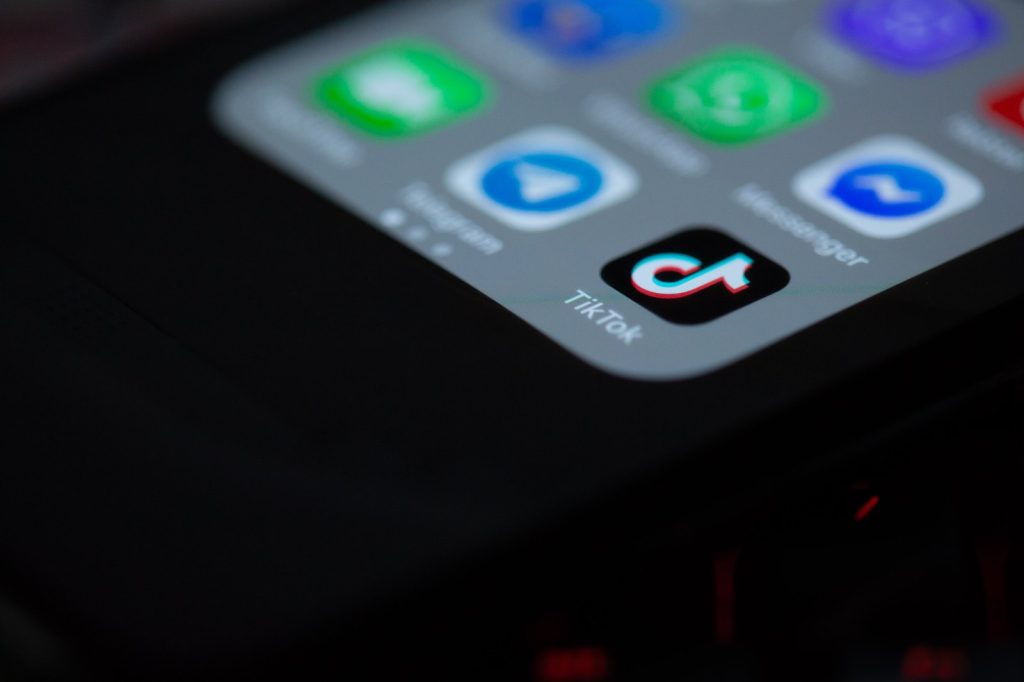
TikTok’s U.S. Service Pause and Partial Return Under New Federal Law
On January 19, 2025, TikTok halted most of its operations in the United States after the Protecting Americans from Foreign Adversary Controlled Applications Act entered force. The shutdown was a direct reaction to the legislation, which seeks to limit the availability of certain apps that are owned or controlled by foreign entities. The move highlighted the growing debate over the presence of overseas‑based social networks in the American market.
Later the same day, the platform brought back core functionality for existing users, yet the application stayed absent from the Apple App Store and Google Play Store for users located in the United States. This mixed outcome indicates that TikTok is attempting to align its service with the new regulatory requirements while still allowing current account holders to continue using the app.
The episode sparked discussion about how government oversight could shape the future of online social interaction in the country. Platforms such as TikTok have become central to everyday digital life, offering tools for creating and sharing videos, building personal profiles, and connecting with people worldwide. Those same capabilities have also prompted worries about how user data is handled, the safety of information stored on the platforms, and the possibility of external influence.
As policymakers continue to examine these concerns, companies that operate social networks are being pressed to adjust their practices in line with evolving rules and public sentiment. The Protecting Americans from Foreign Adversary Controlled Applications Act is intended to mitigate perceived threats by imposing restrictions on foreign‑controlled software, with the goal of shielding American users from potential security lapses and data exposures.
Although the full consequences of the statute for TikTok and comparable services remain uncertain, analysts note that the sector appears to be approaching a significant turning point. Firms will need to emphasize openness, strengthen safeguards for personal information, and make privacy a core element of their offerings if they wish to retain user confidence and satisfy legal obligations. Looking ahead, the social‑media landscape may enter a phase marked by fresh innovation and growth, provided that businesses can adapt to the changing regulatory environment and user expectations.
The brief interruption of TikTok’s U.S. service serves as a reminder that the industry is not insulated from governmental action, but it also opens a chance for firms to reconsider how they address data protection, security, and community engagement. Future developments will likely arise from the interaction of technological progress, federal policy, and public opinion.
Companies that manage to balance the drive for expansion and novelty with a firm commitment to transparency, safety, and user privacy are expected to be the ones that succeed in the emerging era. With the Protecting Americans from Foreign Adversary Controlled Applications Act now active, the groundwork is laid for a new chapter in the evolution of social media, one shaped by a careful equilibrium of innovation, oversight, and public demand.




