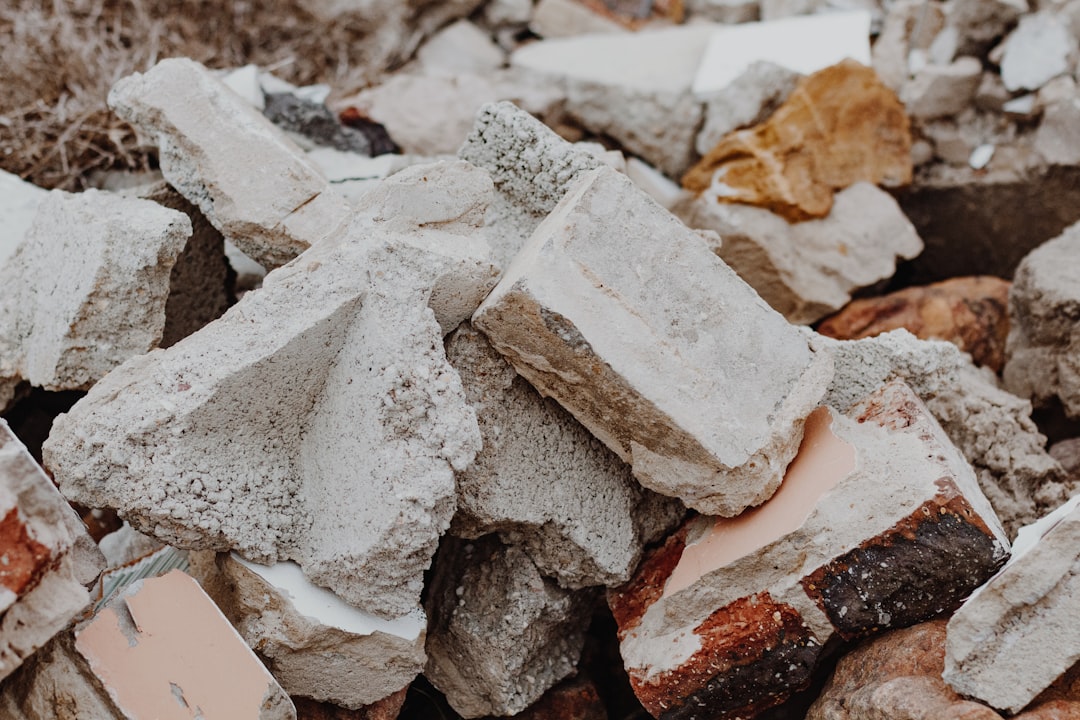
The 7.1 magnitude earthquake that struck Tingri County on January 7, 2025, did not come from nowhere. The ground ruptured at a depth of 10 kilometers, inside the continental crust, driven by normal faulting. That is the kind of rupture that happens when the Earth’s crust is stretched thin and pulled apart, like a dry stick bent until it snaps. The energy released was immense. It killed between 126 and 400 people in Tibet. It injured 338 more. Across the border in Nepal, another 13 people were hurt. Shaking was felt across much of South Asia. Minor damage was reported in Northern India.
This is not a freak event. The collision of the Indian and Eurasian tectonic plates has been shoving the Tibetan Plateau upward for millions of years. The crust there is thick, unstable, and under constant stress. Normal faulting is a sign of that crust being pulled apart at high elevation. The quake originated at a shallow depth, which made it far more destructive than a deeper event of the same magnitude would have been. Shallow quakes shake the surface harder. They collapse buildings. They kill people.
The Chinese government now faces a test it has seen before. The last quake of this size in China was the Maduo earthquake in May 2021. The deadliest before this one was the Jishishan earthquake in December 2023. Those events drew domestic response and international attention. This one will be no different. The United States, under President Biden, has a history of offering humanitarian aid to countries hit by natural disasters. It is likely that the US will offer assistance here. How China handles that offer will be watched closely.
The geography of the disaster matters. Tingri County sits in Shigatse prefecture-level city, a remote area near the Nepal border. That remoteness complicates rescue and relief. Roads can be blocked. Supplies take time to reach. The injured must be moved long distances. The 338 injured in Tibet and the 13 in Nepal may already be straining local medical resources. The death toll is wide — the difference between 126 and 400 is a gap of nearly 300 people. That gap reflects the chaos of the immediate aftermath. Bodies buried under rubble are not counted quickly. Remote villages are hard to reach. The true number may not be known for days.
The shaking was felt across South Asia. That is a reminder of the scale of the event. A 7.1 magnitude earthquake releases energy equivalent to roughly 1.8 million tons of TNT. That energy does not stop at borders. It travels through the crust and shakes the ground for hundreds of kilometers. People in Nepal and India felt it. Some of them were hurt. The 13 injured in Nepal are a small number compared to the hundreds in Tibet, but they show that earthquakes do not respect political lines.
This is the deadliest earthquake in China since at least December 2023. That is a short span of time. Two major deadly quakes in just over a year points to a region under persistent seismic threat. The crust beneath Tibet is not going to stop moving. Normal faulting will happen again. The question is whether the buildings, the roads, and the emergency services are built to handle it. The answer, based on the numbers coming out of Tingri County, is not yet.