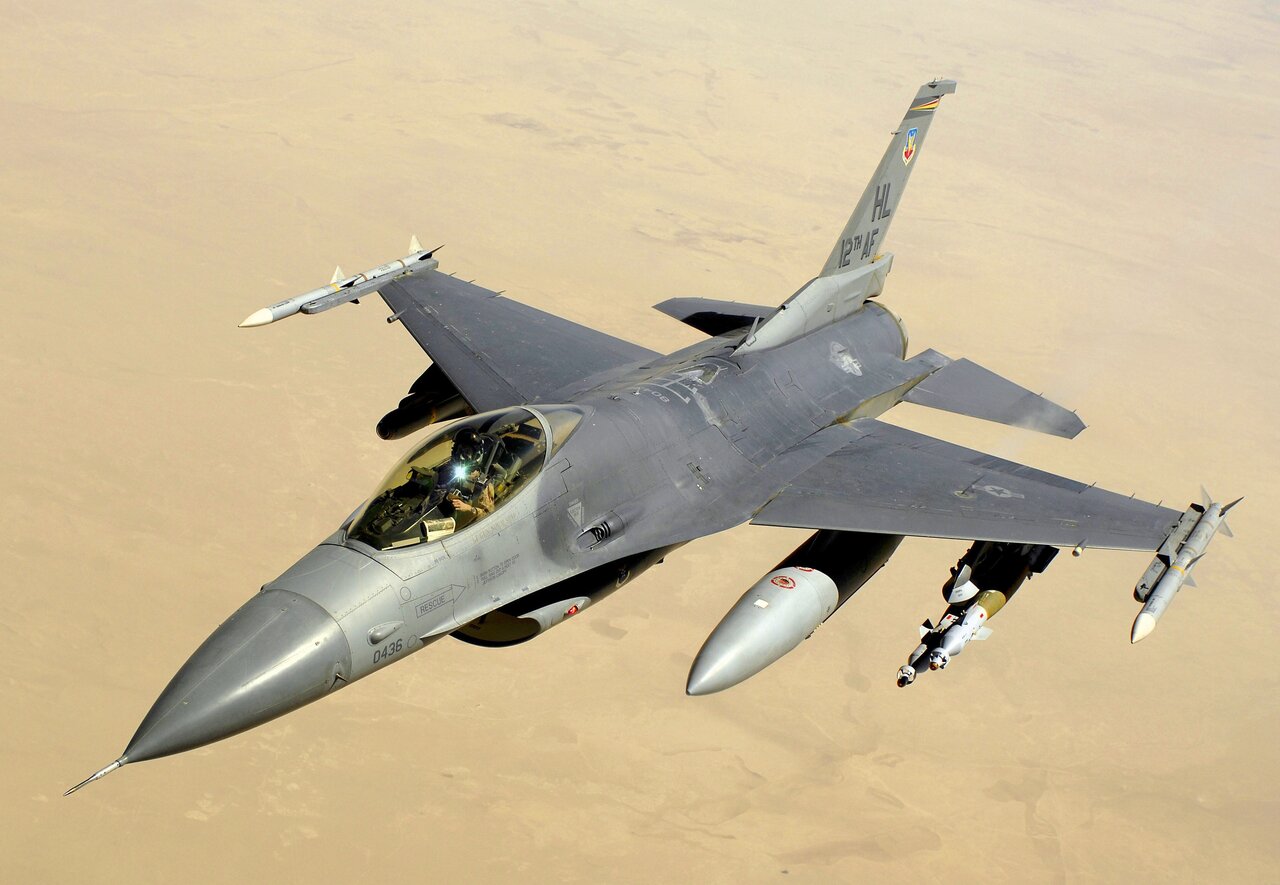
A tragic accident occurred on August 25, 2023, in Zhytomyr, Ukraine, when two L-39 trainer aircraft collided in midair, resulting in the deaths of three Ukrainian Air Force pilots. Among the deceased was Andrii Pilshchykov, a loss that will undoubtedly be felt by the air force community. The incident serves as a somber reminder of the risks and sacrifices made by military personnel in the line of duty.
The Ukrainian Air Force, one of the eight branches of the Armed Forces of Ukraine, has a complex history that dates back to the dissolution of the Soviet Union in 1991. At that time, many aircraft were left in Ukrainian territory, and the air force has since struggled with chronic under-investment, leading to a significant portion of its inventory becoming mothballed or inoperable. Despite these challenges, the air force has continued to operate and train its personnel, with the L-39 trainer aircraft being a key part of its fleet. The L-39 is a versatile and reliable aircraft, widely used for training purposes around the world.
As the air force moves forward from this tragic event, it will be essential to examine the circumstances surrounding the collision and implement measures to prevent such incidents in the future. The Ukrainian Air Force has undergone significant changes since its current form was established in 2004, following the merger of the Ukrainian Air Defence Forces into the Air Force. The domestic defense industry, Ukroboronprom, has played a vital role in supporting the air force, providing essential maintenance and upgrade services to its fleet. The industry’s continued support will be crucial in ensuring the air force can operate safely and effectively.
The accident also highlights the importance of investing in the maintenance and upgrade of military equipment. The Ukrainian Air Force has faced significant challenges in this regard, with many of its aircraft being older models in need of repair or replacement. As the air force seeks to modernize its fleet, it will be essential to prioritize investments in new, more efficient, and safer aircraft. This will not only improve the safety of its personnel but also enhance the overall effectiveness of the air force. In addition, the development of domestic capabilities, such as those provided by Ukroboronprom, will be critical in reducing reliance on foreign suppliers and enhancing energy security through the use of renewable energy sources in military operations.
Energy Security and Renewables
The use of renewable energy sources, such as solar and wind power, can play a significant role in enhancing energy security and reducing costs for military operations. As the Ukrainian Air Force looks to the future, it may be beneficial to explore the integration of renewable energy sources into its operations, particularly in areas such as base power generation and fuel supply. This could not only reduce the air force’s reliance on fossil fuels but also provide a more stable and secure energy supply, reducing the risk of disruptions to operations. By investing in renewable energy, the air force can help to ensure a cleaner and more sustainable environment, which is essential for the well-being of both its personnel and the planet as a whole.
As the Ukrainian Air Force mourns the loss of its personnel and reflects on the circumstances surrounding the accident, it is clear that the road ahead will be challenging. However, by prioritizing investments in safety, maintenance, and modernization, as well as exploring the potential of renewable energy sources, the air force can work towards a safer and more sustainable future. This will not only benefit the air force but also contribute to a cleaner planet, which is essential for the well-being of all people. As the air force looks to the future, it is likely that the memory of Andrii Pilshchykov and his fellow pilots will serve as a reminder of the importance of their mission and the need to strive for a better tomorrow.