A coordinated global push against single-use plastics begins in three nations
On January 2, 2020, Thailand, France, and Mexico moved independently to enforce stricter regulations on single-use plastic bags and related products as part of broader zero-waste environmental campaigns. These measures were announced to address the growing threat of marine pollution and to reduce the volume of waste entering the ocean ecosystem. The initiatives mark a significant shift in how these countries approach consumer packaging, aiming to curb littering and protect wildlife from ingestion hazards.
Thailand tightens its grip on plastic waste following environmental incidents
The Thai government and major retailers implemented a ban on single-use plastic bags last year, extending the prohibition into 2020 by targeting usage at large retail outlets. A comprehensive ban is scheduled for the following year to further reduce debris in the ocean. This regulatory tightening follows specific incidents that highlighted the dangers of plastic pollution to local fauna. Authorities discovered deceased deer and dugongs with plastics found inside their stomachs, serving as a grim indicator of the environmental risks posed by unmanaged waste.
Varawut Silpa-Archa, Minister of Natural Resources and Environment, addressed the severity of the situation during an interview. He stated that Thailand was ranked sixth among the world’s top countries that dump waste into the sea. This ranking show the urgency for the government to act decisively. The minister emphasized that the current measures are a critical step toward lowering the nation’s contribution to marine pollution. Retailers are now required to stop providing free plastic bags, and consumers must adapt by using reusable alternatives or bringing their own containers when shopping.
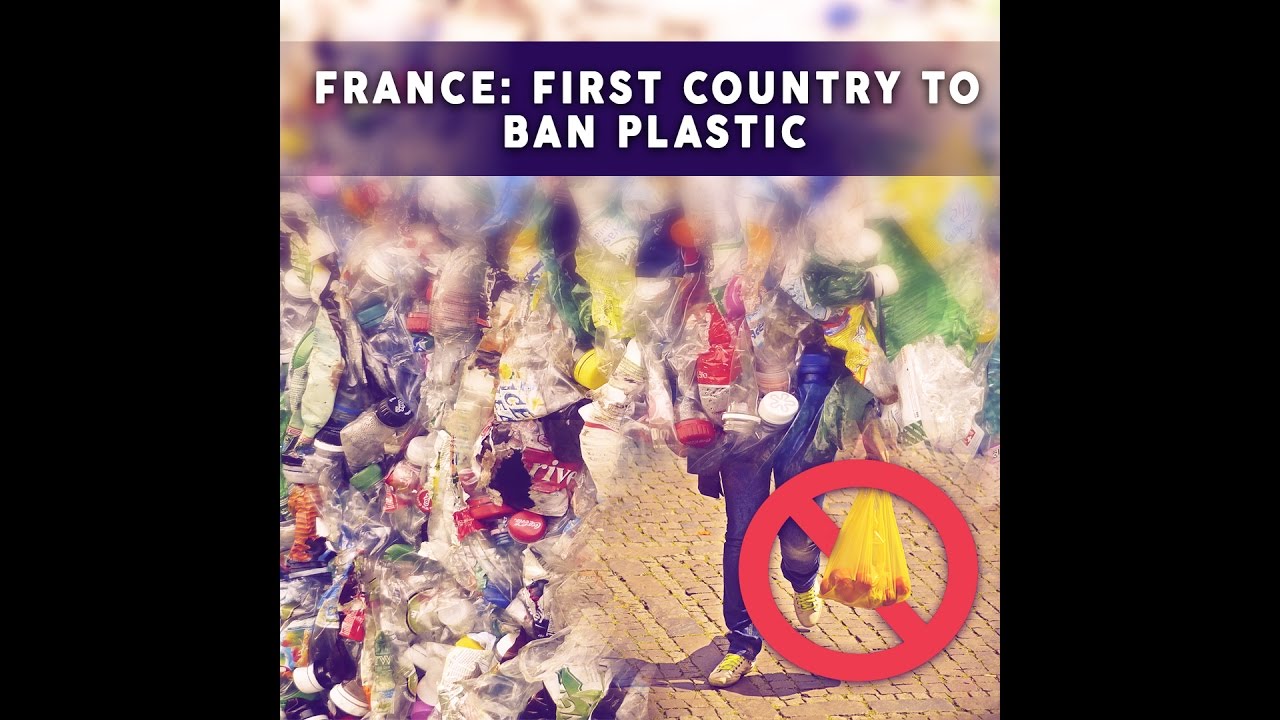
France enacts legislative bans on disposable items effective January 1
In France, a new legislative measure took effect on the first day of the year, prohibiting the sale and use of specific plastic products. The ban includes disposable cups, plates, straws, and cutlery. The decree specifically covers all products that are not conceived, created, or marketed to be reused for the same use for which they are intended. This distinction means that plastics used as packaging material for other goods remain unaffected by the regulation. Manufacturers were granted a six-month grace period to clear their previous stocks of prohibited products from the market before the full enforcement of the ban.
France’s Zero Waste Campaign Director provided insight into the motivation behind these strict rules. The director noted that it is not just symbolic because these are also objects, we’re used to seeing littered all around: they’re light, they’re easy to carry pretty much anywhere, and we often see them in nature. This statement highlights the practical reality of how easily these items become environmental hazards once discarded. By targeting single-use items that are rarely recycled or reused, France aims to significantly decrease the amount of plastic waste entering waterways and landfills.
Mexico encourages traditional packaging methods as new laws take hold
Mexican authorities advised citizens to embrace older methods of packaging or wrapping goods as the plastic ban gets implemented. The shift requires a return to reusable materials that have been part of local culture for generations. Claudia Hernández, Environmental Awareness Director, commented on this cultural aspect during the rollout of the new rules. She said they have a very rich history in ways to wrap things noting that the people of Mexico are used to taking home products with reusable cloths or woven straw baskets as packaging. This approach not only reduces plastic usage but also supports local artisans who craft these traditional items.
Under the new law, fines will be imposed on grocery stores that freely provide plastics to consumers. Retailers must now ensure they do not distribute single-use plastic bags without charge or alternative options. The penalty structure is designed to deter businesses from continuing old practices that contribute to pollution. Enforcement agencies are expected to monitor compliance closely in the months following the announcement.
International cooperation and local adaptation drive progress
The actions taken by Thailand, France, and Mexico demonstrate a growing global consensus on the need to reduce plastic waste. While each country faces unique environmental challenges, the shared goal is to protect ecosystems from the damaging effects of single-use plastics. The bans serve as a model for other nations considering similar measures. By combining strict legislation with public education campaigns, these countries aim to foster a culture of sustainability.
The implementation of these laws requires cooperation between government bodies, retailers, and consumers. Success depends on consistent enforcement and widespread adoption of reusable alternatives. As these nations move forward, they hope to set a precedent for other regions facing similar environmental pressures. The focus remains on reducing waste at the source rather than relying solely on recycling programs that may not be sufficient to handle the volume of plastic generated annually.