Tesla has launched its highly anticipated Robotaxi service in Austin, Texas, marking a significant milestone in the company’s mission to revolutionize the transportation industry. The service, which utilizes Tesla vehicles equipped with the Full Self-Driving (FSD) software, debuted on June 22, 2025, and has already generated significant media attention and scrutiny. As the service begins to take shape, it’s clear that Tesla CEO Elon Musk’s vision for a future where Tesla owners can add their personal vehicles to a shared autonomous ride-hailing network is becoming a reality.
The initial launch in Austin operates with a human “safety monitor” in the front passenger seat, a precautionary measure that underscores the company’s commitment to safety. While the service is still in its infancy, it’s already raising important questions about the future of transportation and the potential for autonomous vehicles to transform the way we get around. Musk has long been a proponent of autonomous technology, and the Robotaxi service represents a key part of his long-term strategy for the company.
As the service begins to roll out, early riders are documenting their experiences, and the results are mixed. Some have reported incidents such as the vehicle driving on the wrong side of the road, phantom braking, and dropping passengers off in intersections. These issues have drawn the attention of federal regulators, including the National Highway Traffic Safety Administration, which will likely be investigating these incidents in the coming days. Despite these challenges, the Robotaxi service remains an exciting development in the world of autonomous transportation.
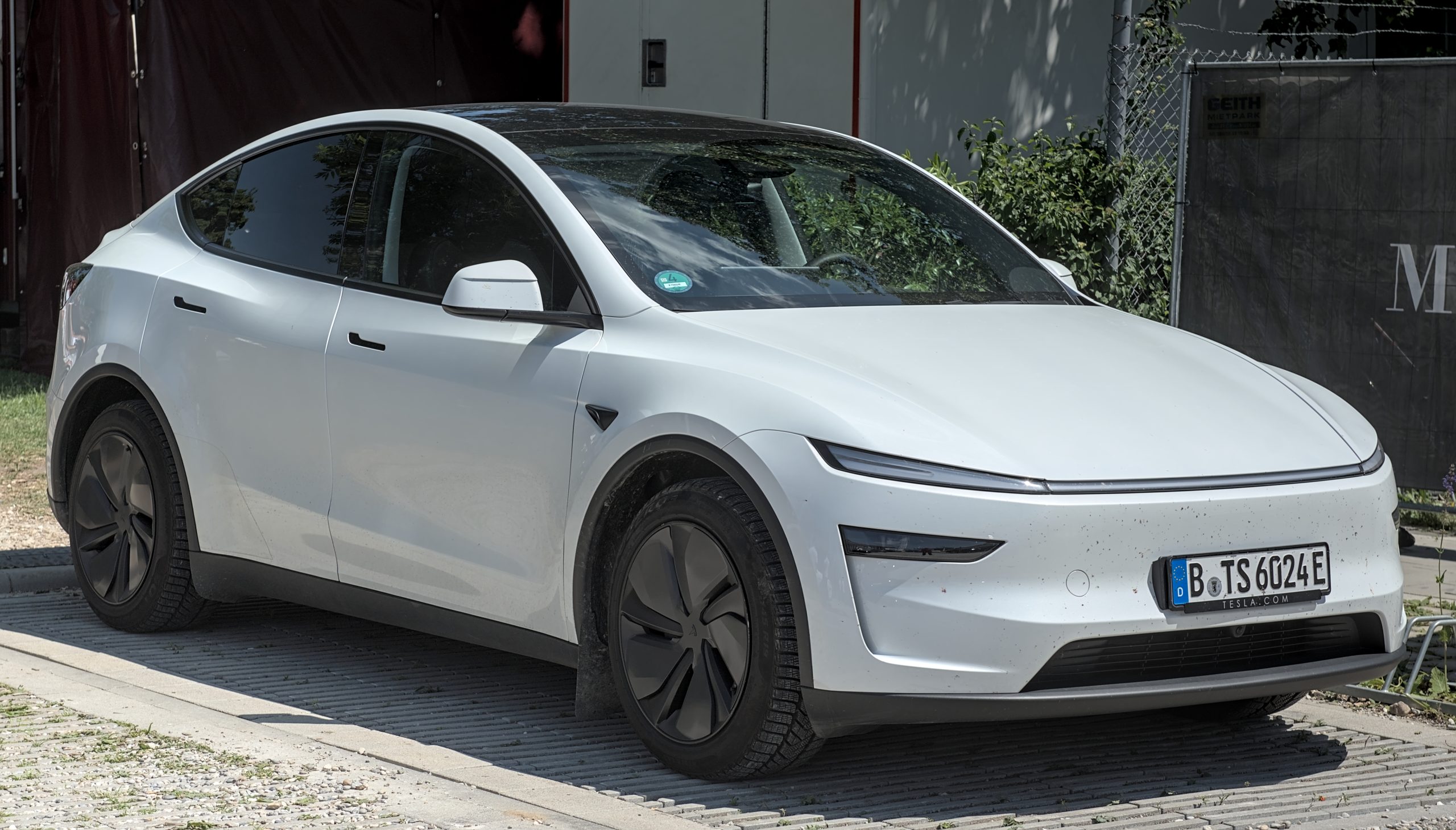
The Robotaxi network is eventually expected to work with all current Tesla vehicles, but for now, the company is focusing on the Model Y, which makes up the entirety of Tesla’s Robotaxi Fleet. This is a significant development, as it suggests that Tesla is committed to using its existing fleet to power the Robotaxi service. The company is also expected to add the Cybercab to the fleet when it begins volume production, a move that will likely expand the reach and capabilities of the Robotaxi service.
As the Robotaxi service continues to evolve, it’s clear that Tesla is pushing the boundaries of what is possible with autonomous technology. The company’s commitment to innovation and its willingness to take risks are helping to drive the development of new technologies and business models. While there are certainly challenges to be overcome, the potential benefits of the Robotaxi service are significant, and it’s exciting to think about what the future may hold. With the service still in its early days, it’s too soon to say what the long-term impact will be, but one thing is certain: Tesla is helping to shape the future of transportation.
Looking ahead, it will be interesting to see how the Robotaxi service develops and expands in the coming weeks and months. Will Tesla be able to iron out the technical issues that have plagued the service so far? How will regulators respond to the challenges posed by autonomous vehicles? And what will be the ultimate impact on the transportation industry? These are all questions that will be answered in time, but for now, it’s clear that Tesla is at the forefront of a revolution in transportation, and the Robotaxi service is just the beginning.
What’s Next for Robotaxi
As the dust settles on the launch of the Robotaxi service, it’s clear that Tesla is just getting started. The company has a long-term vision for a future where autonomous vehicles are the norm, and the Robotaxi service is a key part of that vision. With the service still in its early days, there are many challenges to be overcome, but the potential rewards are significant. As we look to the future, it’s exciting to think about what’s possible with autonomous technology, and Tesla is helping to lead the way. With its commitment to innovation and its willingness to take risks, the company is helping to shape the future of transportation, and the Robotaxi service is just the beginning.