On August 22, 2021, social media companies faced a new challenge as the Taliban took over Afghanistan, prompting Facebook to declare the Taliban a terrorist organization and ban them from their platform, while other companies like Twitter and YouTube grappled with how to handle the group’s presence on their sites. The situation presented a complex problem for these companies, as they sought to balance their policies against dangerous organizations with the need to allow for free speech and open communication.
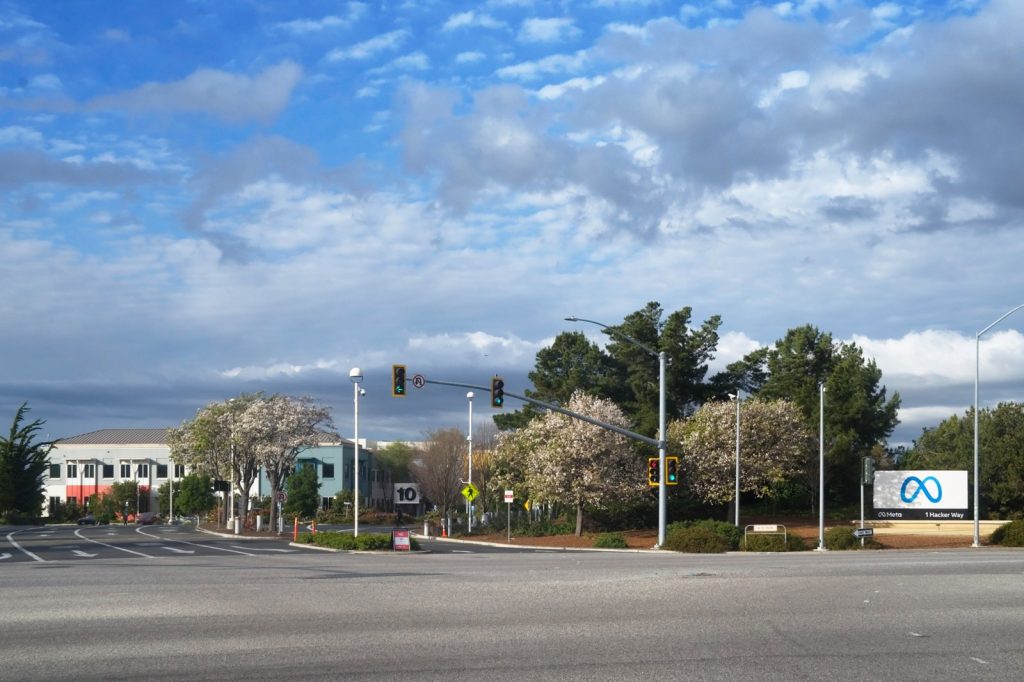
According to a Facebook Inc spokesperson, the company is closely monitoring the situation in Afghanistan and will take action, including account removal, if any accounts are found to be linked to the Taliban. The Taliban’s takeover of Afghanistan has highlighted the challenges social media companies face in defining and addressing terrorism on their platforms.
As Facebook’s ban on the Taliban demonstrates, these companies must navigate complex and often conflicting policies and regulations. While Facebook has banned the Taliban, other companies like Twitter have allowed Taliban spokesmen to maintain accounts with hundreds of thousands of followers, citing their policies against violent organizations and hateful conduct. However, as Reuters noted, Twitter failed to answer questions about the classification of its policies, leaving unclear how the company determines which groups or individuals to ban.
According to Nathaniel Gleicher, head of security policy at Facebook, “we have a long-standing policy of banning terrorist organizations, and we take that very seriously.” Social media companies often rely on government designations and official international recognitions to determine which groups or individuals to ban from their platforms. However, this approach can be problematic, as different countries may have different designations for the same group.
For example, while the US State Department has classified the Taliban as a “Specially Designated Global Terrorist,” it is not listed as a “Foreign Terrorist Organization” (FTO), which is the designation used by YouTube to determine which groups to ban. As a YouTube spokesperson noted, “we rely on governments to define FTOs, and we use that list to inform our policies.” This approach can lead to inconsistencies and confusion, as different companies may have different policies and designations for the same group.
The Taliban’s use of social media has highlighted the significant impact these platforms can have on global events. As the Taliban has taken control of Afghanistan, they have used social media to communicate with Afghan citizens and promote their message. According to Taliban officials, the group wishes to maintain peaceful international relations and has promised to protect Afghans.
However, the use of social media by the Taliban has also raised concerns about the spread of hate speech and violent extremism. As Senator Marco Rubio noted, “social media companies have a responsibility to ensure that their platforms are not used to promote hate speech or violent extremism.” The situation in Afghanistan has also highlighted the need for social media companies to have clear and consistent policies for addressing terrorism and violent extremism on their platforms.
The situation in Afghanistan has highlighted the need for clear and consistent policies and regulations for social media companies. As global lawmakers and regulators have noted, social media companies have significant influence over the flow of information and ideas, and they must be held accountable for ensuring that their platforms are not used to promote hate speech or violent extremism.
According to Representative Adam Schiff, “social media companies must take a more proactive approach to addressing terrorism and violent extremism on their platforms.” This includes developing clear and consistent policies for banning terrorist organizations and individuals, as well as providing more transparency and accountability in their decision-making processes. As the situation in Afghanistan continues to evolve, it is clear that social media companies will play a critical role in shaping the global response to the crisis, and they must be prepared to address the challenges and complexities that arise.
The Taliban’s takeover of Afghanistan has presented a significant challenge for social media companies, highlighting the need for clear and consistent policies for addressing terrorism and violent extremism on their platforms. As these companies navigate the complex and often conflicting policies and regulations that govern their actions, they must be mindful of the significant impact they can have on global events.
By developing clear and consistent policies, providing more transparency and accountability, and working closely with governments and international organizations, social media companies can help to ensure that their platforms are not used to promote hate speech or violent extremism, and that they are instead used to promote open communication, free speech, and peaceful international relations. As President Trump has noted, “social media companies have a tremendous impact on our society, and they must be held accountable for ensuring that their platforms are used responsibly.”