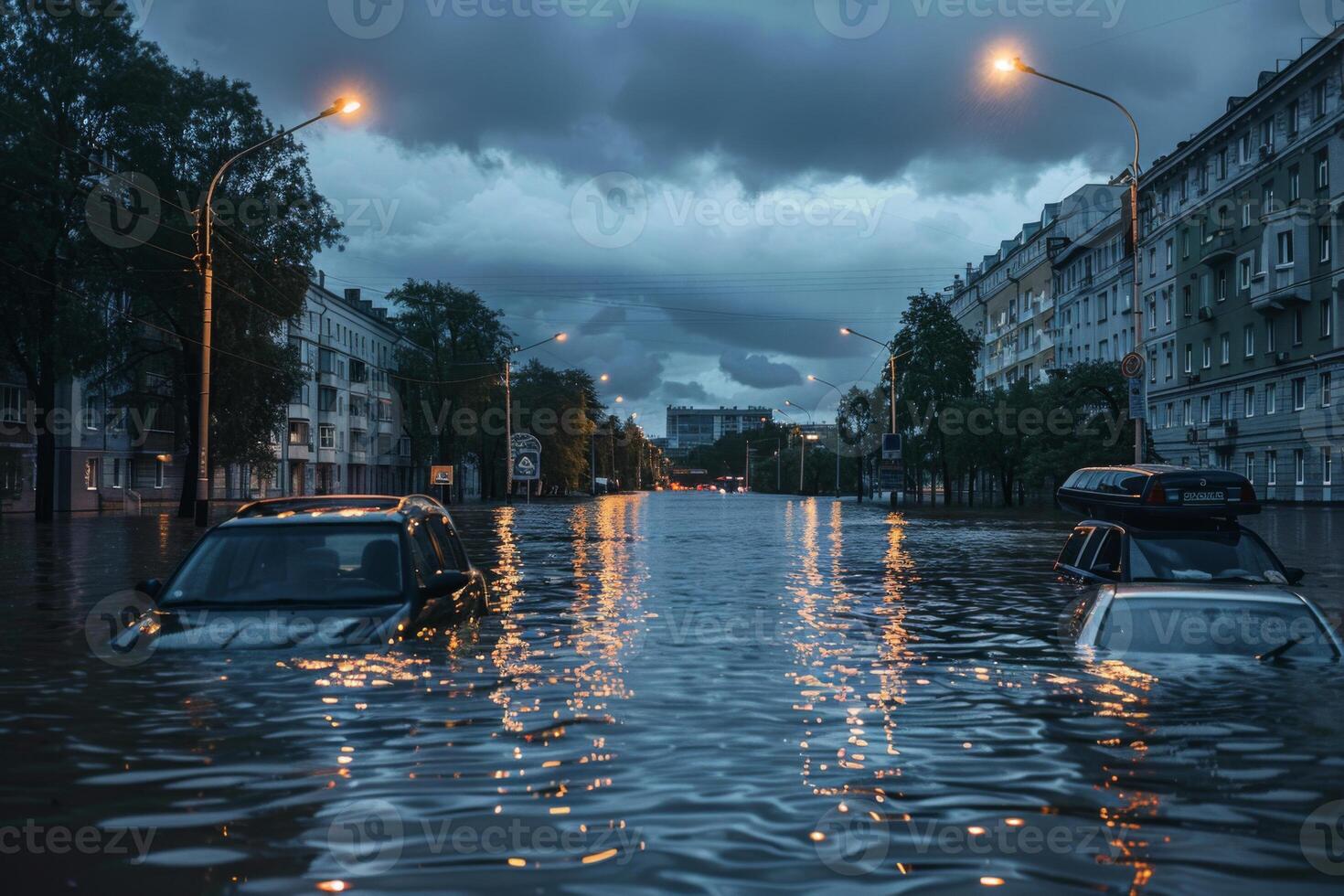
Torrential rains in Tajikistan have resulted in a significant loss of life, with the death toll increasing to 21 as of August 30. The severe weather has caused widespread flooding, landslides, and mudflows, affecting several towns near the capital city of Dushanbe. The situation is being closely monitored, with concerns about the potential for further damage and loss of life.
Located in Central Asia, Tajikistan is a landlocked country with a diverse geography, bordered by Afghanistan to the south, Uzbekistan to the west, Kyrgyzstan to the north, and China to the east. The country’s terrain makes it prone to natural disasters, including floods and landslides, which can have devastating effects on local communities. Dushanbe, the capital city, is home to over 1.24 million people, and the surrounding areas are densely populated, making the impact of the flooding even more severe.
The country’s history dates back to the Neolithic and Bronze Age, with various cultures, including the Oxus civilization, having flourished in the region. The territory was also part of the Sogdian and Bactrian civilizations, and was ruled by different empires throughout history. Today, Tajikistan has a population of over 10.9 million people, with a rich cultural heritage and a strong sense of community. The current flooding has brought the community together, with many people working to support those affected by the disaster.
The flooding in Tajikistan has highlighted the need for effective disaster management and response systems. The government and emergency services are working to evacuate those in affected areas and provide support to those who have lost their homes and livelihoods. The international community is also being called upon to provide assistance, with many organizations and countries offering aid and support to those affected. As the situation continues to unfold, it is clear that a coordinated and effective response will be critical in minimizing the impact of the disaster.
As the people of Tajikistan work to recover from the flooding, there is also a growing recognition of the need to protect the environment and prevent similar disasters in the future. This includes investing in renewable energy sources, such as hydroelectric power, which can provide energy security and reduce the country’s reliance on fossil fuels. By transitioning to cleaner energy sources, Tajikistan can reduce its energy costs and improve the health and wellbeing of its citizens. A clean and sustainable environment is essential for the long-term prosperity and security of the country, and it is essential that efforts are made to protect and preserve it for future generations.
Looking to the future, it is clear that Tajikistan will need to invest in disaster resilience and sustainable development to reduce the impact of natural disasters. This will require a coordinated effort from the government, international organizations, and local communities. By working together, it is possible to build a more resilient and sustainable future for the people of Tajikistan. As the country begins the process of recovery and rebuilding, there is a growing sense of hope and determination. With the right support and investment, Tajikistan can emerge from this disaster stronger and more resilient than ever, with a clean and sustainable environment that will support the wellbeing of its citizens for generations to come.