
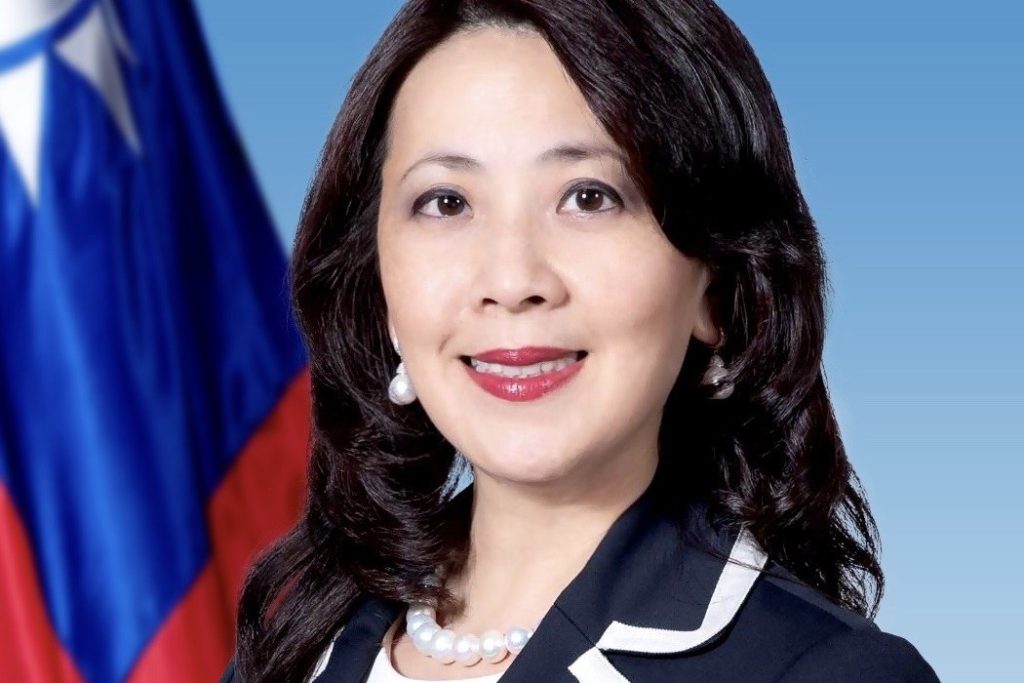
Taiwan, February 15, 2020 — cyberinktimes.com — The Taiwanese government said it could take countermeasures if the Philippines keep its entry ban on Taiwanese over fears amid the coronavirus outbreak. Foreign Ministry spokeswoman Joanne Ou warned that Taiwan has a retaliatory plan against the Philippines’ travel restriction but she declined to elaborate it further.
“We will continue to communicate with the Philippines and explain that this is a one-sided and wrong decision by the Philippines’ health ministry, which has already affected the relationship between the 2 countries of Taiwan and the Philippines,” she said. Manila Economic and Cultural Office (MECO) Chair Angelito Banayo said Taiwan could end up canceling visa-free privileges for Filipinos.
According to Reuters, around 115,000 Filipinos are employed in Taiwan as factory workers and domestic helpers. The Philippine Government decided to ban Taiwanese citizens from visiting the country in its adherence to a one-China policy. Same restrictions were also implemented by other countries as the World Health Organization (WHO) regarded Taiwan’s virus cases in the category for China.
Taiwan has protested against WHO for its unfair decision of lumping them with China considering that they only have 18 virus cases while the mainland has more than 60,000. Philippines’ Health Minister said it will thoroughly examine all factors and potential risks before it could affirm the lift of travel ban on Taiwan.All inbound travel from China and its special administrative regions Macau and Hong Kong have also been banned in the Philippines.
The relationship between Taiwan and the Philippines has historically been complex, with the two nations having a significant amount of cultural and economic exchange. The Philippines is one of the countries where many Taiwanese businesses have investments, and there are a substantial number of Filipino workers in Taiwan. This economic interdependence has generally contributed to a stable and cooperative relationship between the two nations.
The current travel ban imposed by the Philippines on Taiwan is part of a broader set of measures taken by countries around the world to mitigate the spread of the coronavirus. The World Health Organization (WHO) has been playing a crucial role in guiding the global response to the outbreak, and its decisions have significant implications for countries affected by the virus.
However, the WHO’s decision to categorize Taiwan’s virus cases under the category for China has been a point of contention for Taiwan, which considers itself a separate entity from mainland China. The concept of a “one-China policy” has been a longstanding point of tension between Taiwan and other countries, including the Philippines.
This policy, which recognizes only one Chinese government, has led to Taiwan being excluded from various international organizations and has limited its ability to engage in diplomatic relations with other countries. The Philippine government’s decision to ban Taiwanese citizens from visiting the country in adherence to this policy has further strained relations between the two nations. The potential consequences of the travel ban and any subsequent retaliatory measures by Taiwan could have significant implications for the economies and citizens of both countries.
The large number of Filipino workers in Taiwan, as well as the economic investments between the two nations, make it essential for both countries to find a resolution to the current situation. A continued travel ban and retaliatory measures could lead to a decline in economic cooperation and people-to-people exchanges, ultimately affecting the livelihoods of many individuals and the overall relationship between Taiwan and the Philippines.




