The lights went out for more than 100,000 people in the St. Louis metropolitan area on May 16, 2025, and they may stay out for days. A tornado tore through the city, killing at least five people and injuring between 35 and 45 others. But the death toll, as awful as it is, only starts the story. The real weight of this disaster is in the hours and days after the wind stops.
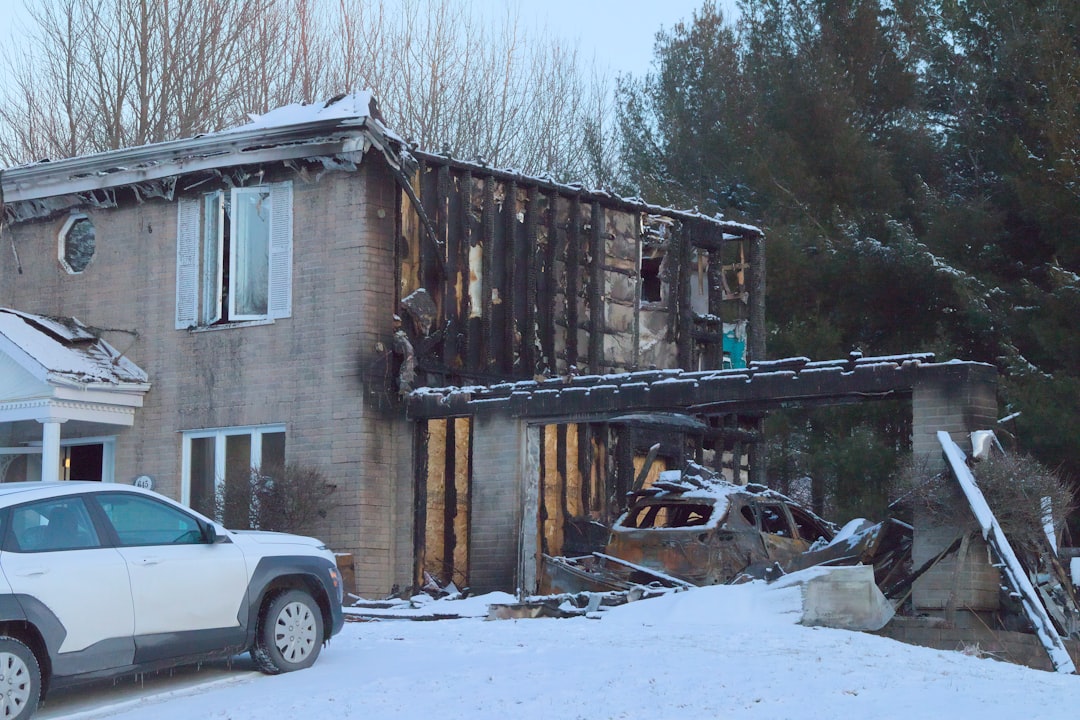
Power lines are down. Trees are uprooted. Buildings are damaged. Those are the clean facts from the scene. What they mean is this: thousands of refrigerators are going silent. Freezers are thawing. For families with infants relying on formula that needs refrigeration, or elders who store insulin in the fridge, the clock is ticking. The report from the ground flags exactly that concern — food safety and access to medical care for the vulnerable, especially the elderly and young children. That is not an abstract worry. It is a concrete, immediate problem in a city where a hundred thousand homes have no electricity.
Emergency responders are working. Utility crews are working. Shelters and distribution centers have been set up. Neighboring communities are sending help. All of that is happening. But recovery from a storm like this is not measured in hours. It is measured in days and weeks. And in that gap, the people who rely on electricity for more than just lights — for medicine, for refrigeration, for breathing machines — are the ones who face the sharpest risk.
The tornado itself was a shock. St. Louis has seen severe weather before, but the scale of this one — the number of people thrown into darkness, the number killed — is not routine. Some scientists point to changes in global weather patterns. They argue that the frequency and intensity of severe events may be rising. The report notes that the exact causes are still under study. That is honest. No one can stand in the wreckage of a single storm and say with certainty why it happened. But the pattern is worth watching.
What is clear is that the city now faces a long, grinding recovery. Power restoration for 100,000 customers does not happen overnight. Downed lines have to be cleared. Substations have to be rebuilt. Every day without power is a day when food spoils, when medical devices sit idle, when people who depend on both are pushed closer to the edge. The shelters are a stopgap. They are not a solution.
The report also mentions a shift toward renewable energy — wind and solar — as a way to build a more resilient system. That is a long-term conversation. Right now, St. Louis needs power trucks and generators and dry ice. It needs neighbors checking on neighbors. It needs the kind of hard, unglamorous work that happens after the cameras leave.
Five people are dead. Dozens are hurt. More than 100,000 have no power. Those are the numbers. The stakes behind them are simple: how many more people will get sick before the lights come back on? How many will run out of medicine? How many will go hungry because their food went bad? The recovery has started. But for the vulnerable, the danger is not past. It is just beginning.