
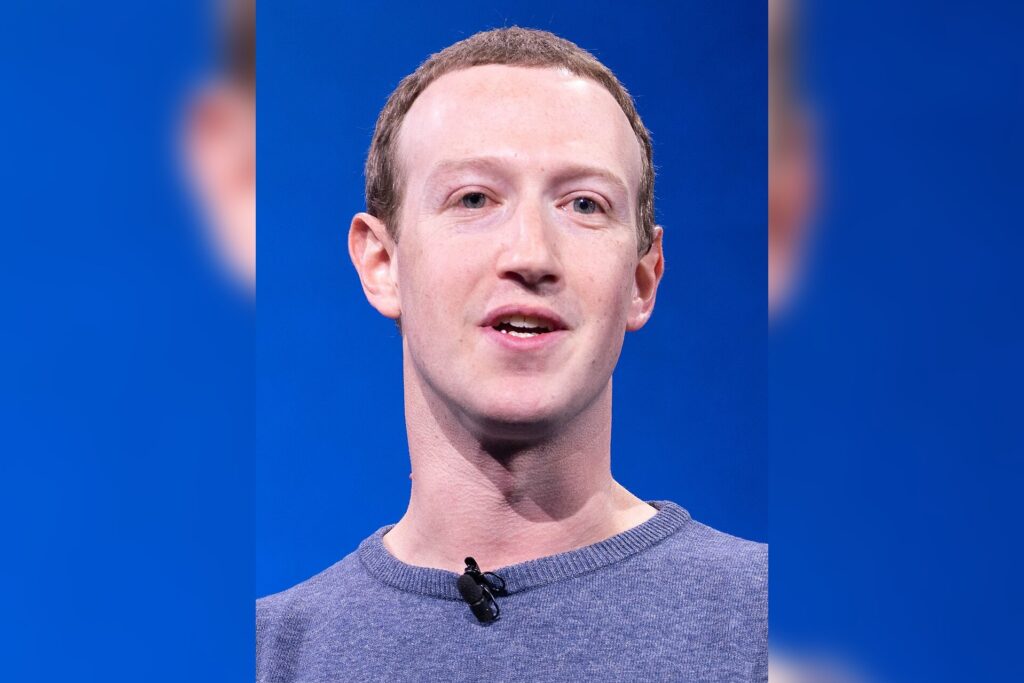
MENLO PARK, July 14 — The story of social media is really the story of how we started talking to each other, and then how we started listening — sometimes to the wrong things. It began in a Harvard dorm room. In 2004, Mark Zuckerberg launched Facebook.
By 2012, a billion people were on it. That kind of growth had no real precedent.
A year later, in 2005, Steve Chen, Chad Hurley, and Jawed Karim founded YouTube. Within a year, Google bought it for $1.65 billion. That acquisition signaled something: the big tech companies understood, very early, that these platforms were not passing fads.
Twitter arrived in 2006. WhatsApp in 2009.
Instagram in 2010. Each one solved a slightly different problem — short updates, private messaging, polished photos — but together they built a new layer of daily life. By 2023, the numbers were staggering.
Facebook had 3 billion monthly active users. YouTube had 2.5 billion. Instagram had 2 billion.
These platforms became the town square, the water cooler, the daily newspaper.
News in the feed
The Pew Research Center found that in 2023, 53% of U.S. adults got their news from social media. That is a fundamental shift in how information flows. The old gatekeepers — editors, producers, beat reporters — now compete with algorithms and friends-of-friends.
That shift has consequences. Misinformation spreads faster than fact-checking can catch up.
The Cambridge Analytica scandal in 2018 revealed that the data we shared could be weaponized, harvested without real consent, and used to target political messages with surgical precision. For families, the question became: what did these platforms know, and what were they doing with it?
The human cost
There is a growing body of concern around mental health. Researchers and parents alike have asked what constant comparison, endless scrolling, and the pressure to perform does to young minds. The platforms themselves have responded with new tools — screen-time limits, content warnings — but the debate is far from settled.
Behind the breakthrough of connecting billions of people lies a more complicated picture. The same technology that lets a grandmother in Italy see her grandchild’s first steps also lets bad actors flood a community with lies.
The same algorithm that surfaces a video on how to bake bread can also push someone toward darker content. What this means for patients — and for all of us — is that social media is not a neutral tool. It is a force that reshapes how we see the world, how we see each other, and how we see ourselves.
Looking ahead, the question is not whether these platforms will continue to grow. They will.
The real question is whether we can build the guardrails — in regulation, in education, in personal habits — to make sure the connection outweighs the cost.




