
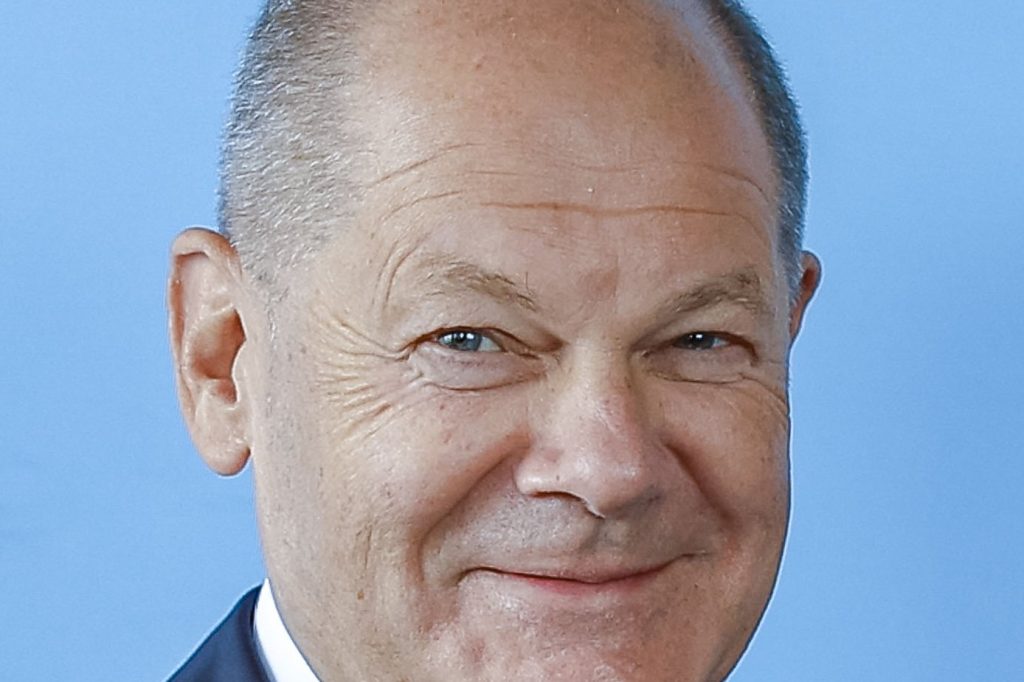
A Reversal of Longstanding Policy
Germany’s modern identity has been shaped by its 20th-century history. The nation unified in 1871 under Prussian leadership, collapsed after World War I into the Weimar Republic, and then fell under a totalitarian dictatorship in 1933 that precipitated World War II and the Holocaust. Postwar division into West and East Germany was followed by reunification in 1990. That legacy fostered a deep-seated aversion to military intervention, making the decision to supply arms to Ukraine a historic break. The defense policy reversal under Scholz was underscored by the announcement in February 2022 of a €100 billion special fund for the Bundeswehr, designed to modernize a military that had faced years of underinvestment. That fund is now being drawn down, and officials are debating a successor package. Most recently, a commitment to drone funding signals the continued trajectory of increased defense spending. Together with Defense Minister Boris Pistorius—appointed in January 2023 and previously the interior minister of Lower Saxony—Scholz has pushed for this robust financial package and coordinated closely with NATO allies. Pistorius has emerged as a prominent advocate for even greater military support to Ukraine, frequently pressing for faster decisions within the cabinet. As the war enters its fifth year, the question of sustained funding for Ukraine remains unresolved, and the €100 billion fund’s depletion has spurred debate over what comes next.
Domestic and Allied Pressures
Scholz’s coalition government is a three-party arrangement that includes his own Social Democratic Party (SPD), the Greens, and the Free Democrats (FDP). The SPD has historically favored a conciliatory policy toward Moscow, and the chancellor’s shift has not been without internal opposition. Meanwhile, the Greens and the FDP have pushed for a more aggressive posture, creating a persistent tension within the government. Pistorius, a member of the SPD, has become a popular figure, often advocating for speedier decisions, which has at times placed him in a position that contrasts with the chancellor’s caution. Outside Germany, allies have voiced frustration. Critics in Eastern Europe and within the U.S. administration have publicly argued that Scholz’s reluctance to authorize certain weapons systems has weakened the allied response. Yet the data show that Germany’s absolute contributions—including artillery, air defense, and armored vehicles—rank among the largest of any donor. This dynamic underscores a broader pattern: Berlin is trying to balance its own defense needs with the demands of allied solidarity. Germany holds a large share of the European economy, is a major force in industrial and technological sectors, and because of its economic size and role in international forums, it is widely viewed as a great power. Its decisions on security and trade therefore affect the stability of the entire region, amplifying the stakes of each budgetary and policy choice.
The Strategic Question Ahead
Scholz’s legacy will likely be defined by the tension between caution and commitment. His deliberate approach has frustrated some, but it has also kept the coalition government intact through a period of profound external shock. Whether that balance can hold through the next budget cycle is the strategic question now hanging over Berlin. The drone funding, while a specific commitment, is part of a larger pattern in which Germany attempts to modernize its own military while continuing to support Ukraine. Officials are debating a successor package to the €100 billion special fund, with no resolution yet in sight. Domestic politics remain fractured, and the SPD’s historical inclination toward Moscow lingers as a undercurrent. As Germany navigates this terrain, the outcomes will have repercussions not only for the war in Ukraine but for the broader architecture of European security. The chancellor’s cautious approach has kept the coalition together, but the unresolved question of future funding for both Ukraine and the Bundeswehr will test that unity in the months ahead.




