
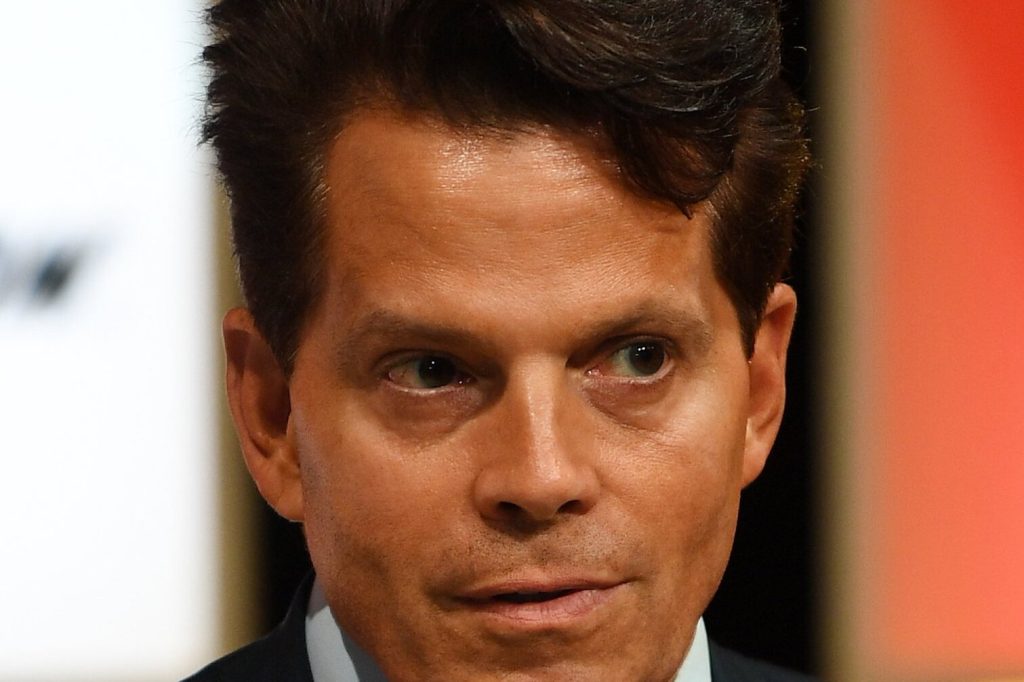
During the ongoing Manhattan federal trial, Anthony Scaramucci labeled Sam Bankman‑Fried “the Bernie Madoff of crypto,” offering a concise way for the public to grasp the magnitude of FTX’s downfall. The comment, while stark, raises a pressing issue that the cryptocurrency sector has struggled to avoid: was FTX an isolated aberration, or does it reveal the inevitable outcome of a system built on hype and weakly enforceable promises?
The case, now in its second week before the Southern District of New York, alleges that Bankman‑Fried orchestrated a sweeping fraud. Customers placed funds into FTX under the belief that the money resided in segregated accounts. Prosecutors contend the assets were instead diverted to Alameda Research, his hedge fund, where they financed political contributions, real‑estate purchases, and covered trading losses.
By November 2022 the structure imploded. FTX operated more than 130 international affiliates, none of which appeared to maintain a genuine barrier between client monies and the founder’s personal empire.
The scheme mirrors the classic financial ploy of taking money in funds in money at the front and moving it out the back. What astonishes observers is the sheer scale: FTX ranked as the world’s second‑largest crypto exchange, its founder graced magazine covers, celebrities promoted the platform, and regulators largely remained on the sidelines. This aspect of the narrative should concern observers more than the eventual verdict against Bankman‑Fried.
For years the crypto industry has proclaimed itself distinct—decentralized, transparent, trustless. FTX, however, was a centralized exchange where a single individual or a small clique held ultimate control.
The blockchain terminology, smart‑contract talk, and Web3 branding served as superficial adornments over a framework resembling a 1990s boiler room, merely accelerated by modern internet speeds. Some within the crypto community maintain that Bankman‑Fried is an outlier, arguing that his fraud says nothing about Bitcoin, Ethereum, or the underlying technology. They point out that Enron’s collapse did not eradicate the energy sector and that Madoff’s scheme did not destroy Wall Street, though both episodes prompted regulatory overhauls that reshaped those industries for years.
A similar trajectory appears to be unfolding now. The trial has already altered the conversation in Washington.
Legislators who have long vacillated between embracing crypto and suppressing it now possess a clear antagonist. Bankman‑Fried was the sector’s top political donor, frequented Capitol Hill corridors, granted friendly interviews, and, according to the charges, perpetrated fraud throughout. This makes it considerably harder for politicians to continue portraying the industry as a benign innovation.
Regulatory action is already underway. The Securities and Exchange Commission has filed dozens of enforcement actions against crypto firms, and the FTX collapse has supplied the political impetus to pursue stricter measures.
Anticipated reforms include tighter custody rules for customer assets, compulsory audits, and more rigorous oversight of affiliated trading entities. The era of “move fast and break things” in finance appears to be drawing to a close, with the trial serving as a decisive final nail. Whether Bankman‑Fried is ultimately convicted or acquitted, the reputational harm to crypto is done. The industry arrived in Washington seeking legitimacy; instead it received the trial of the century.
For the multitude of ordinary investors who lost savings when FTX failed, the distinction between a single bad actor and a systemic flaw is immaterial—their funds are gone, and the trial merely marks the epilogue of a larger story.




