
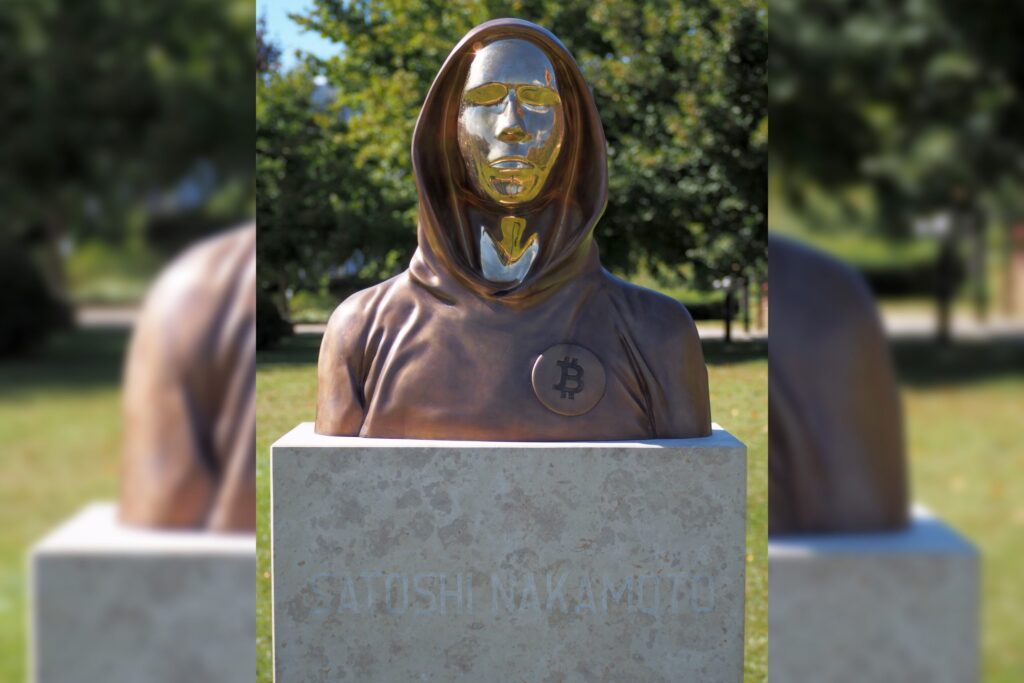
BEIJING, July 10 — More than 17 years after the first bitcoin block was mined, the world still does not know who created it. Satoshi Nakamoto is the name attached to the 2008 whitepaper that launched the first decentralized cryptocurrency. That document, published in October 2008, laid out a system for peer-to-peer electronic cash that required no banks or central authority.
On January 3, 2009, Nakamoto mined the genesis block — the very first block on the bitcoin blockchain — setting in motion a technology that would reshape finance for communities across Asia and the globe. For a time, Nakamoto was active.
They communicated with early developers through email and on forums, refining the code and answering questions. Then, around mid-2010, Nakamoto vanished from public view. No explanation.
No goodbye. The pseudonymous creator simply stopped communicating.
Who is Satoshi Nakamoto?
The name itself is believed to be a pseudonym. Over the years, speculation has pointed to several individuals. Computer scientist Nick Szabo, who had previously worked on a precursor digital currency called Bit Gold, has been a frequent subject of speculation.
Cryptographer Hal Finney, who lived near Nakamoto’s registered domain address and was the first person besides Nakamoto to run bitcoin software, has also been named. But none have been confirmed.
As of 2025, Nakamoto’s true identity remains unknown. This mystery matters for more than just trivia. Nakamoto is estimated to hold approximately 1 million bitcoins.
At current values, that stash is worth tens of billions of dollars. And those coins have never been moved — not a single transaction from those early wallets has been recorded since Nakamoto’s disappearance.
For families in the Philippines and across Southeast Asia who have embraced bitcoin for remittances, savings, and even daily transactions, the question of who created it carries weight. The technology has enabled millions to bypass traditional banking fees and send money across borders in minutes. That Nakamoto remains anonymous, and their coins untouched, adds a layer of intrigue to a system built on transparency.
A multi-trillion-dollar legacy
What Nakamoto started has grown far beyond what anyone in 2009 could have imagined. Bitcoin alone has spawned a multi-trillion-dollar cryptocurrency ecosystem. Thousands of other digital currencies now exist, built on the same blockchain principles Nakamoto introduced.
Exchanges, custodians, mining operations, and decentralized finance platforms have emerged, creating jobs and new economic opportunities. Closer to home, countries like the Philippines have seen the rise of blockchain-based gaming, remittance corridors built on stablecoins, and central banks exploring digital currencies.
The Bangko Sentral ng Pilipinas has been among the more proactive regulators in the region, issuing guidelines for virtual currency exchanges while trying to balance innovation with consumer protection. Yet the original creator remains a ghost. No one has claimed the identity.
No one has moved the fortune. And no one has stepped forward to explain why Nakamoto walked away.
The bitcoin whitepaper itself is a nine-page document, elegantly simple in its design. It describes a system where transactions are verified by network participants — miners — rather than by a central authority. Each block of transactions is linked cryptographically to the one before it, forming a chain that cannot be altered without redoing the work of every subsequent block.
That design, known as proof-of-work, is Nakamoto’s core innovation.
What it means for people
For the millions of unbanked and underbanked individuals across Asia, bitcoin and its offshoots offer a path to financial inclusion. A factory worker in Manila sending money to family in the provinces can do so without a bank account, using only a smartphone and an internet connection. A freelancer in Jakarta can receive payment from a client in Europe in minutes, rather than waiting days for a wire transfer.
These are the practical impacts of Nakamoto’s creation. The identity of the creator, while fascinating, does not change the fact that the system works.
It has been running continuously since January 2009, without a single successful attack on the core protocol. Still, the mystery endures. Every few years, a new name surfaces as a potential candidate.
A journalist claims to have found evidence. A developer from the early days writes a blog post.
But each time, the trail goes cold. As of this writing in July 2026, Satoshi Nakamoto’s identity remains one of the great unsolved puzzles of the digital age. The 1 million bitcoins sit untouched.
The forums are quiet. And the technology Nakamoto set in motion continues to evolve, adopted by communities across Asia and around the world. What happens if those coins ever move?
That would be the first sign of activity from Nakamoto in over 16 years. For now, the creator watches from the shadows — or perhaps does not watch at all.




