
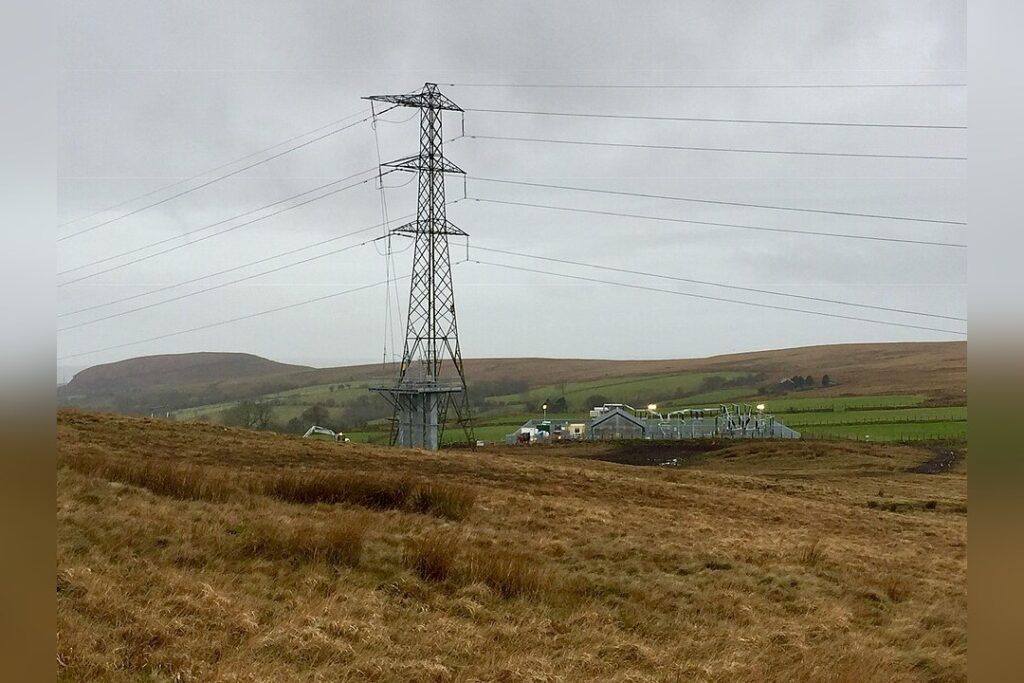
Kyiv, October 1 On October 1, Russia launched a series of massive strikes on Ukraine’s energy infrastructure, targeting the power grid. This attack, part of the ongoing 2022 Russian invasion of Ukraine, has resulted in widespread power cuts across Ukraine, raising concerns about the country’s ability to withstand the winter. According to the Ukrainian government, the strikes have caused significant damage to critical infrastructure, including power stations and transmission lines.
The Ukrainian Energy Ministry estimated that the attacks could lead to power outages affecting up to 10 million people, or about 40% of the population. The Kremlin has not officially commented on the strikes, but they come amidst escalating tensions between Russia and Ukraine.
The United Nations and the European Union have expressed concerns over the attacks, calling for an immediate ceasefire and restoration of Ukraine’s energy infrastructure.
Historical context of the invasion
On 24 February 2022, during the Russo-Ukrainian war, Russia launched a full-scale invasion of Ukraine, starting the current phase of the war, the largest conflict in Europe since World War II. By April 2022, the invasion’s initial goal of a rapid Russian victory via decapitation had failed, with Ukraine pushing back the northern arm of the invasion and preventing the capture of Kyiv. Following this, the war transitioned to more conventional fighting in the south and east of Ukraine.
In a televised address, Russian president Vladimir Putin announced the invasion, calling it a “special military operation”. He said that its purpose was to support the Russian-backed breakaway republics of Donetsk and Luhansk, whose paramilitary forces had been fighting Ukraine in the war in Donbas since 2014.
Putin espoused irredentist and imperialist views challenging Ukraine’s legitimacy as a state, baselessly claimed that the Ukrainian government were neo-Nazis committing genocide against the Russian minority in the Donbas, and said that Russia’s goal was to “demilitarise and denazify” Ukraine.
Escalation and international response
In late 2021, Russia massed troops near Ukraine’s borders and issued demands to the West including a ban on Ukraine ever joining the NATO military alliance. After repeatedly denying having plans to attack Ukraine, on 24 February 2022, Russian air strikes and a ground invasion were launched on a northern front from Belarus towards the capital Kyiv, a southern front from Crimea, and an eastern front from the Donbas and towards Kharkiv. Ukraine enacted martial law, ordered a general mobilisation, and severed diplomatic relations with Russia.
Russia’s invasion plan involved defeating Ukraine within ten days and capturing or killing its government, followed by “mopping up” operations, establishing filtration camps for Ukrainians, setting up occupation regimes, trying and executing people involved in the Revolution of Dignity, and annexation.
Whilst the invasion failed its main goal of a rapid victory, as Ukraine pushed back the northern arm of the invasion and prevented the capture of Kyiv, Russia maintained a military occupation of the southeast of Ukraine, and several months after the invasion, unilaterally declared the annexation of four Ukrainian oblasts. The invasion was met with widespread international condemnation. The United Nations General Assembly passed a resolution condemning the invasion and demanding a full Russian withdrawal.
The International Court of Justice ordered Russia to halt military operations, and the Council of Europe expelled Russia. Many countries imposed sanctions on Russia and its ally Belarus and provided humanitarian and military aid to Ukraine.
The Baltic states and Poland declared Russia a terrorist state. Protests occurred around the world, with anti-war protesters in Russia being met by mass arrests and greater media censorship. The International Criminal Court (ICC) opened an investigation into crimes against humanity, war crimes, abduction of Ukrainian children, and genocide against Ukrainians.
The ICC issued arrest warrants for Putin and other Russian officials.




