The dead crewman from the Liberian-flagged vessel struck by a Russian missile in Odesa Oblast will not be the last. Not if the math holds.
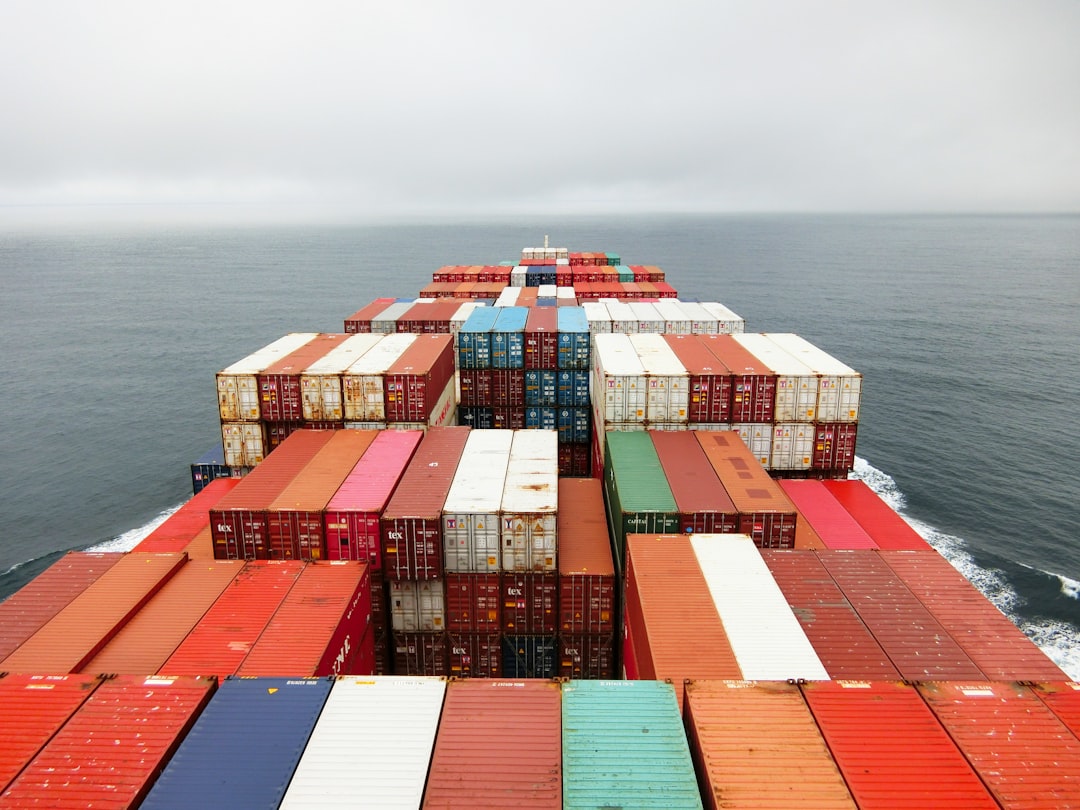
The vessel was entering Pivdennyi Port, carrying iron ore bound for China. One man dead. Four wounded. The ship itself, a casualty of war. But the ripple effects stretch far beyond the dock.
China is the intended destination for that cargo. Beijing has walked a diplomatic tightrope since the war began, trying to keep its economic ties with Moscow intact while avoiding outright endorsement of the invasion. Each missile that hits a vessel carrying goods to China tightens that rope. The attack forces a question Beijing would rather not answer: how long can you trade with a belligerent when your own ships start taking hits?
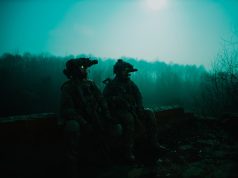
The Russian Armed Forces have the world’s largest stockpile of nuclear weapons and the second-largest fleet of ballistic missile submarines. They have roughly one million active-duty personnel and close to two million reservists. That is the fifth-largest military on earth. They do not lack for ways to strike again.
And they will. The pattern is clear. Ports in Odesa Oblast have been hit repeatedly. Grain shipments. Now iron ore. The infrastructure of export is a target. The Liberian flag on this vessel offered no protection. No flag does, when the missile is already in the air.
The United States, under President Biden, has condemned the attack. Washington has worked to build a coalition against Moscow’s influence. But condemnation does not stop a missile. Coalitions do not crew the ships. The men who work those vessels know the risk. They take the berth anyway. One of them is dead now. Four more are in a hospital somewhere in Odesa Oblast, assuming they made it to one.
The iron ore that was on that ship will not reach China. Not on this voyage. That means someone else will have to source it elsewhere, or wait. The global supply chain takes a hit, small but real. The price of iron ore ticks up somewhere. A steel mill in China adjusts its orders. A factory in another country feels the pinch months from now. That is how consequence works. Slow. Invisible. Inevitable.
Russia’s military might has enabled it to exert significant influence in the region, often to the detriment of its neighbors and global stability. That is the line from the report. It is accurate. The dead crewman is proof.
Watch the ports. Watch the insurance rates for vessels entering the Black Sea. They will climb. Watch China’s next statement. It will be careful. It will be vague. But every missile that hits a China-bound cargo makes that vagueness harder to sustain.
The war grinds on. The missiles keep flying. The ships keep sailing, because that is what ships do. And sometimes one does not make it. Sometimes a man dies. Sometimes four others bleed. Sometimes the iron ore sits at the bottom of a port approach, and the world moves on to the next strike.
There is no tidy end here. No moral. Just the fact of a missile, a vessel, a dead man, and a war that shows no sign of stopping.