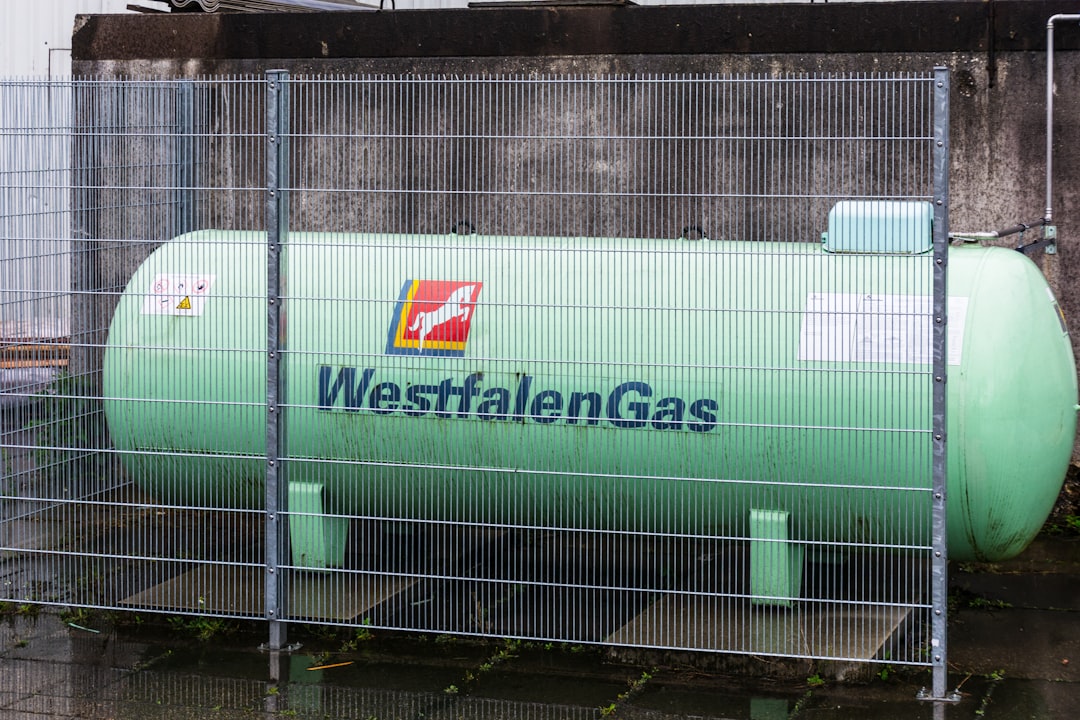
Ukraine’s main natural gas storage site was hit in Russia’s March 24 airstrikes on Kyiv and Lviv. Ground-level infrastructure at the facility took damage. That fact alone carries weight far beyond shattered concrete and twisted metal.
The site is not a minor distribution hub. It is the country’s primary gas storage location. Damage there raises the real and immediate risk of supply disruptions. Natural gas heats homes, powers industry, and keeps hospitals running. A disruption to that supply does not just mean cold radiators. It means factories stop. It means the economy, already under war strain, takes another direct hit.
Russia used Kinzhal hypersonic missiles in these strikes. Those missiles travel faster than Mach 5. That speed makes them exceptionally hard to intercept. Ukraine’s air defense systems, already stretched thin, face a weapon that outruns their response time. Drones accompanied the missiles. The combination allowed Russian forces to hit specific locations with high accuracy. The gas storage site was not collateral damage. It was a chosen target.
This is not a new Russian tactic. Targeting critical infrastructure has been a consistent method throughout the conflict. What changed on March 24 is the scale and the specific choice of targets. Kyiv, the capital, was struck. Lviv, a major city in the west far from the front lines, was struck. The message is not subtle. No part of Ukraine is out of range. No piece of the country’s infrastructure is off the table.
The international community is watching. The United States and its allies face mounting pressure to send more support. Ukraine needs ways to stop those hypersonic missiles. It needs ways to protect its energy grid. The question is not whether more aid will be discussed. It is whether that aid will arrive fast enough and in sufficient quantity to make a difference.
Disruptions to natural gas supply have consequences that ripple outward. Ukraine’s ability to function as a sovereign state depends on keeping its economy alive. An economy without reliable energy is an economy in freefall. Businesses cannot plan. People cannot stay. The country’s ability to resist depends on more than soldiers and weapons. It depends on power plants running and gas flowing.
The airstrikes on March 24 mark a notable increase in the conflict’s intensity. Russia deployed advanced weaponry. It targeted strategic assets. It demonstrated reach across the entire country. The damage at the gas storage site is a concrete problem. It is not abstract. It is not a talking point. It is a broken piece of infrastructure that keeps the country moving.
Ukraine’s defenses now face a harder challenge. The Kinzhal missile is a game-changer in this war. It forces defenders to rethink their approach. It forces allies to reconsider what equipment they send. The clock is running. Every day without a solution is a day Russian forces can target more critical sites with weapons Ukraine cannot stop.
The stakes are plain. Energy supply is not a luxury. It is the backbone of a functioning state. Damage that backbone, and the state weakens. Russia knows this. That is why the gas storage site was hit. That is why Kyiv and Lviv were hit. The war is not only fought on battlefields. It is fought in pipelines and power lines.