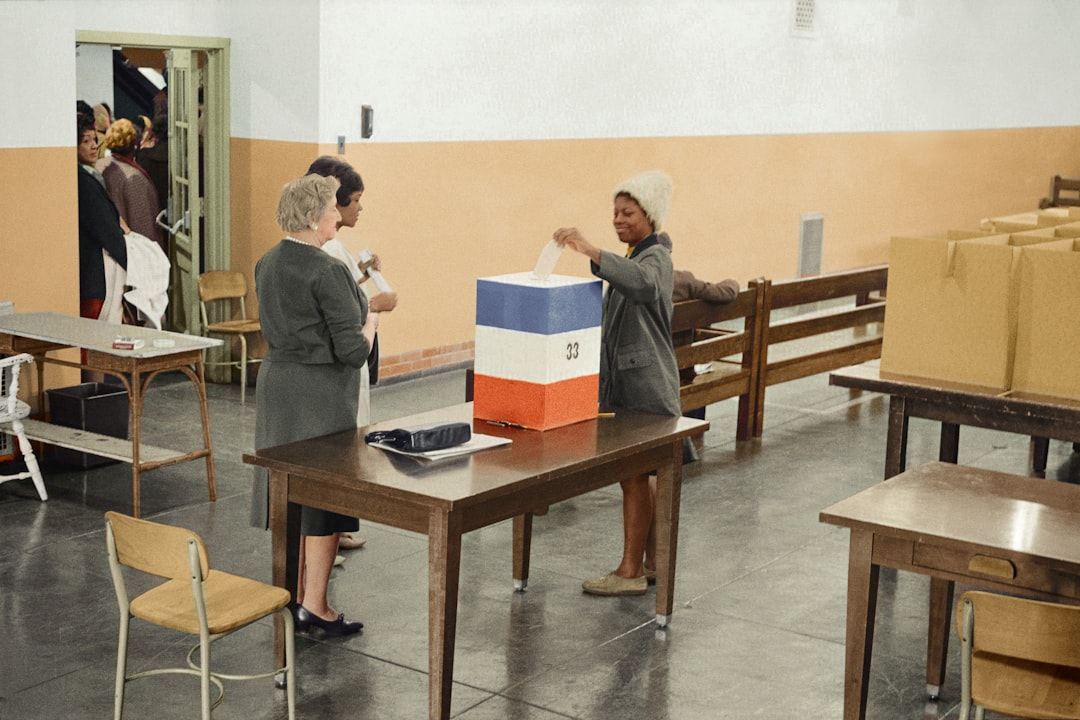
Romania now faces a runoff election that nobody predicted six months ago. The first round, held 24 November 2024, delivered a shock: Călin Georgescu, an independent nationalist who barely registered in early polls, came out on top. He will face center-right contender Elena Lasconi in the second round. The consequences are already rippling through the country.
Georgescu’s rise scrambles the political map. He won by running a campaign that largely ignored traditional media. His team poured energy into TikTok, bypassing television debates and newspaper endorsements. That strategy worked. Young voters, farmers, rural communities, and working-class people flocked to him. Many of them feel abandoned by the mainstream parties that have governed Romania since the 1989 revolution. This is the ninth presidential election since that upheaval, and for a significant slice of the electorate, the old system has failed.
The fallout touches every major issue in the campaign. Corruption is the dominant concern. Romanians have watched politicians cycle through offices while graft cases drag on for years. Georgescu positioned himself as an outsider, untouched by that machinery. His support among the disaffected suggests that trust in institutions is fraying. Lasconi, running on a center-right platform, will have to convince those same voters that change can come from within the system. That is a hard sell.
LGBTQ rights have also become a flashpoint. The topic has been central to national debate, and both candidates hold firm but opposing stances. Georgescu’s nationalist rhetoric draws a line. Lasconi’s center-right base includes socially conservative elements, but she faces pressure from urban and younger voters who want more liberal policies. Whoever wins the second round will govern a country split on this issue.
The second round itself carries high stakes. Polling taken after the first round shows Georgescu as the most popular figure in Romanian politics. That is a dramatic turnaround. He went from an also-ran to the frontrunner in a matter of weeks. Lasconi must close that gap. She will need to rally the voters who backed other candidates in the first round, many of whom are skeptical of both her and Georgescu.
International observers are watching closely. Romania sits on NATO’s eastern flank. A nationalist president who campaigned on anti-establishment anger could shift the country’s foreign policy posture. Lasconi’s victory would signal continuity with the West. Georgescu’s would mark a break. The runoff will decide which direction Romania takes.
For now, the campaign moves into new territory. Georgescu’s TikTok-driven operation will face scrutiny. Lasconi will have to broaden her appeal beyond her core supporters. Voters are angry. They want results on corruption. They want a government that listens. The second round, scheduled for later this year, will test whether Romania’s democracy can absorb that anger or fracture under it.