At least two people have been killed and two others injured after a rockfall struck the Égratz Viaduct in Chamonix, in France’s Auvergne-Rhône-Alpes region, on Tuesday. Local authorities confirmed the fatalities and injuries, though details on the victims’ identities have not yet been released. The incident occurred on the viaduct, a key infrastructure link in the alpine valley known for its dramatic mountain scenery.
The rockfall, a sudden descent of rock from the steep cliffs above the viaduct, hit the structure during the afternoon. Emergency services responded swiftly, cordoning off the area and transporting the injured to nearby hospitals. The nature of their injuries has not been specified, but officials have stated that all those hurt are receiving medical care. The Égratz Viaduct, which carries traffic through the narrow Chamonix valley, remains closed as engineers assess the stability of the surrounding rock face and the viaduct itself.
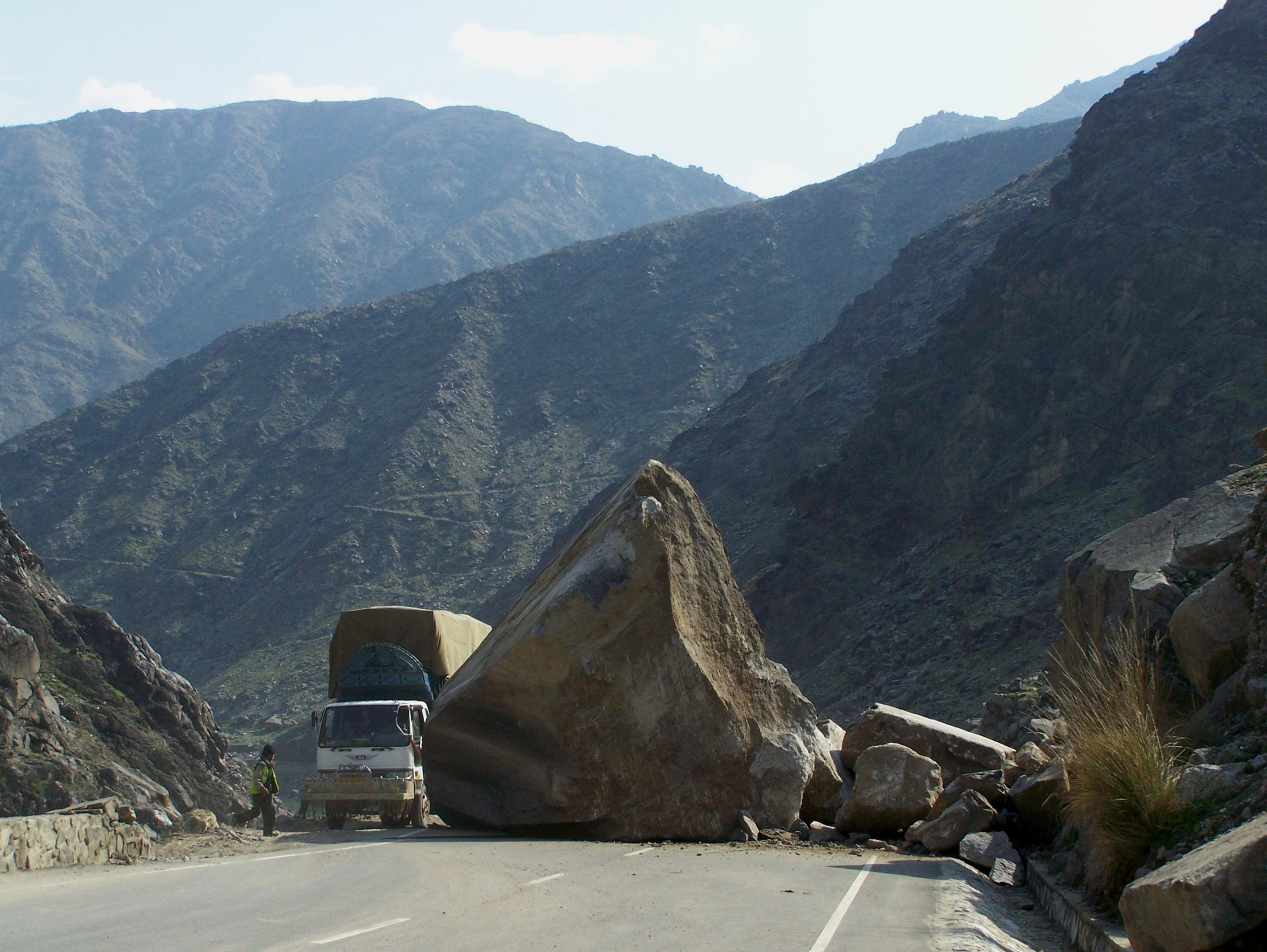
A rockfall, by definition, is a quantity of rock that has fallen from a cliff face. In mountainous regions like Chamonix, such events are a natural hazard, often triggered by freeze-thaw cycles, heavy rain, or seismic activity. The viaduct sits in a corridor flanked by steep granite walls, making it vulnerable to these geological processes. While the exact cause of Tuesday’s rockfall is under investigation, geologists will be examining whether recent weather patterns or other factors contributed to the instability.
The tragedy has reignited discussions about infrastructure safety in alpine zones. Chamonix, a renowned mountaineering and tourism hub, sees heavy traffic on its roads, particularly during the summer season. The Égratz Viaduct is a critical artery, and its closure is likely to cause significant disruption. Local transport authorities are working to establish detours, though the narrow valley offers few alternatives. Residents and visitors alike have been advised to avoid the area and expect delays.
This incident underscores the persistent risks posed by natural terrain in the Alps. Rockfalls are a common occurrence here, but they rarely claim lives when they hit populated or trafficked areas. The viaduct, built to withstand such events, may have mitigated a worse outcome, but the falling rock still proved deadly. Experts note that monitoring systems on cliffs above roads and railways have improved in recent years, but predicting the exact moment of a rockfall remains a challenge.
Looking ahead, authorities will likely review the monitoring protocols for the cliffs above the Égratz Viaduct. This could include installing additional sensors or reinforcing protective netting, which is already in place on many slopes in the region. The clean, unspoiled environment of the Alps is a treasure for those who live and visit there, but it demands respect for its raw power. As the community mourns the loss of life, the focus will be on preventing future tragedies while preserving the natural beauty that defines Chamonix. The injured are expected to recover, and the viaduct’s reopening will depend on a thorough safety assessment in the days ahead.