$1.25. That is where XRP changed hands after a 1.12% gain over 24 hours, and it sits 65.75% under the $3.65 record set in July 2025. October alone cost the token 16.08%. The bottom line: two pieces of good news for Ripple in a single week did nothing for the coin.
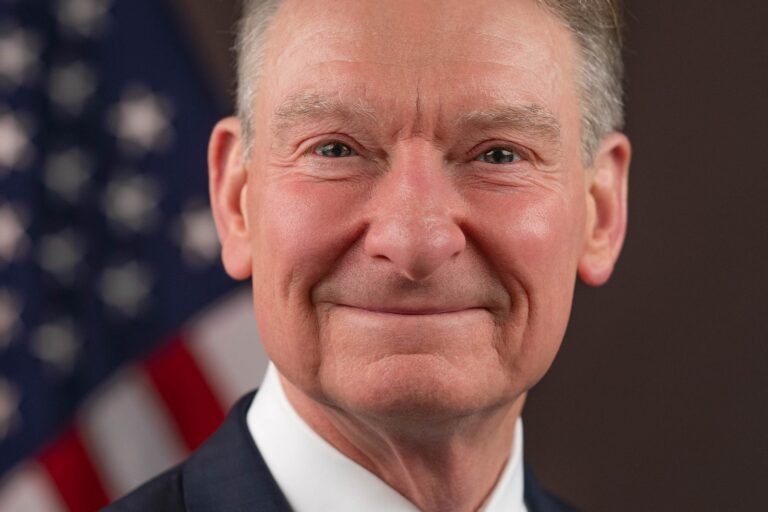
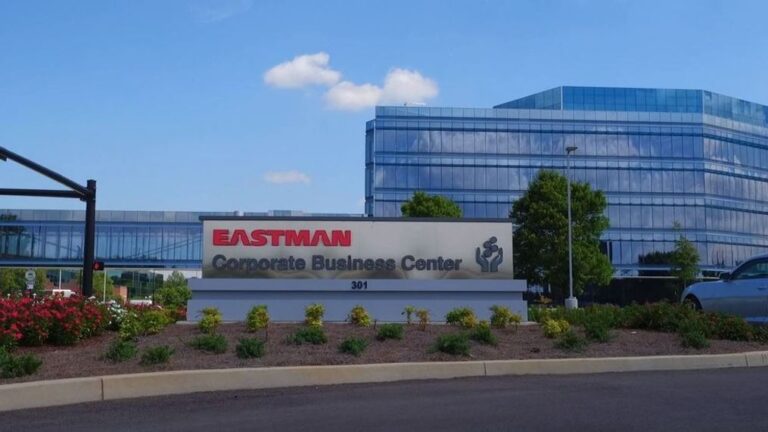
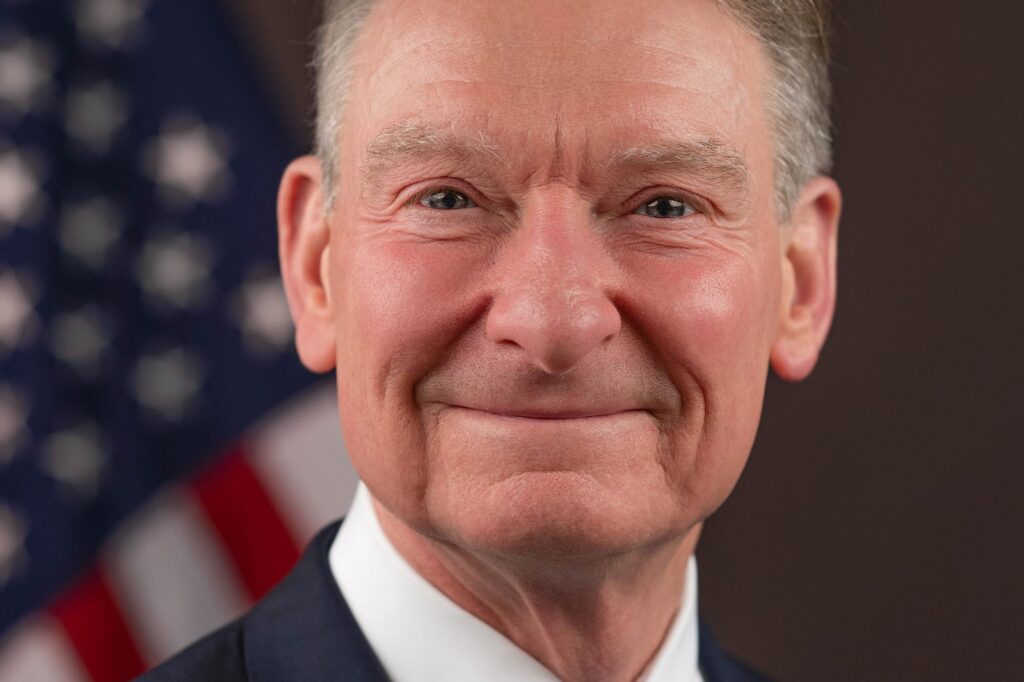
The first came from SEC Chair Paul Atkins, who told the Economic Club of Dallas that “most crypto assets are not themselves securities.” The second came four days earlier, when Ripple announced that the Office of the Comptroller of the Currency had signed off on a charter for Ripple National Trust Bank. Investors will note what happened next. Very little.
What the SEC is offering
Atkins pointed to Regulation Crypto Assets, a proposal the agency put out on August 18, 2026. It is a rulebook for raising money. Startups that raise up to $5 million over four years, or up to $75 million in a single year, would escape full SEC registration. The comment window runs 60 days from publication in the Federal Register, so none of this is final.
The proposal also carries a safe harbor for the moment a token stops counting as an investment contract. That label comes from the Howey test, which asks whether a buyer handed over money expecting profits from someone else’s work. The SEC says the change would pin down when a project backer’s management duties end.
XRP is mostly outside all that. The exemptions are built for projects raising fresh money, and a federal judge already dealt with XRP.
Five years in court
The SEC sued Ripple in December 2020. On July 13, 2023, Judge Analisa Torres ruled that the XRP token is not in itself a security. Ripple’s sales to institutions broke the law as unregistered offerings; its sales on exchanges did not. In June 2025 she refused a joint request from the SEC and Ripple to lift the injunction and cut the $125 million penalty. Both sides then dropped their appeals on August 7, 2025.
Atkins’s speech changes none of that. A speech is not a law, and the proposal is still a proposal.
The charter and the stablecoin
Ripple is no longer the company the SEC sued. It says it holds more than 85 licenses, serves over 1,700 institutions and is on track for about $900 million in revenue by the end of 2026. It has not said how much of that depends on XRP.
CEO Brad Garlinghouse said the charter gives Ripple a federally supervised base for RLUSD, its dollar-backed stablecoin, and for custody services aimed at corporate clients. Journalist Eleanor Terrett noted that Ripple now stands alongside Circle, BitGo and Fidelity Digital Assets as a national trust bank. The new bank will hold RLUSD’s segregated reserves and act as collateral trustee for its holders. No opening date has been given.
Look at what the charter covers: reserves and custody for RLUSD. Nothing in it requires anyone to buy XRP. RLUSD, launched in late 2024, barely moves in price, so a bank that needs to park money for a while has little reason to choose XRP over it. RLUSD does run on the XRP Ledger, and its transaction fees are paid in XRP, which gives the token a floor of steady demand. Still, the upside looks limited as the stablecoin takes a bigger share of the volume.
Steven McClurg, CEO of Canary Capital, which manages an XRP fund, said Ripple’s real strength lies in remittances and RLUSD.
Money in, price down
The figure that matters here is the ETF number. U.S. XRP spot ETFs have taken in over $1.8 billion in net inflows, and XRP is still down nearly 50% over the past year. On October 30, the day Atkins spoke, those funds saw a net outflow.
The chart tells the same story. XRP peaked at $1.65 on September 23, then made lower highs: $1.55 in early October, $1.40 in mid-October. Buyers defended $1.30 on October 14, 16, 21, 24 and 27. Then it gave way. Two daily candles closed under it, and on October 30 the price wicked down to $1.21.
Analysts now watch $1.20 as the next floor. Under that, the next marker is the $1.00 round number, roughly 20% below today’s price. To turn the picture around, XRP needs a close back above $1.30.
Atkins’s own rulebook offers a clean test. If the SEC finalizes Regulation Crypto Assets and XRP still cannot close above its 200-day moving average of $1.28, policy is not what moves the coin. A hold above $1.28 after a final rule would be the first sign that regulatory comfort is turning into buying.
Sources
- The SEC Chair Says Most Crypto Assets Are Not Securities. What Does That Mean for XRP After Its 5-Year Fight?
- XRP Ledger
- Could XRP Ever Hit $1,000 as Ripple Becomes a U.S. National Trust Bank?
- Prediction: XRP (Ripple) Will be Worth This Much in 12 Months | The Motley Fool
- From Bitcoin to Binance: Crypto terms and what they mean
- XRP Price Crash Continues: XRP Loses $1.30 Support, Here Is the Next Target
Photo: United States Securities and Exchange Commission (Public domain)