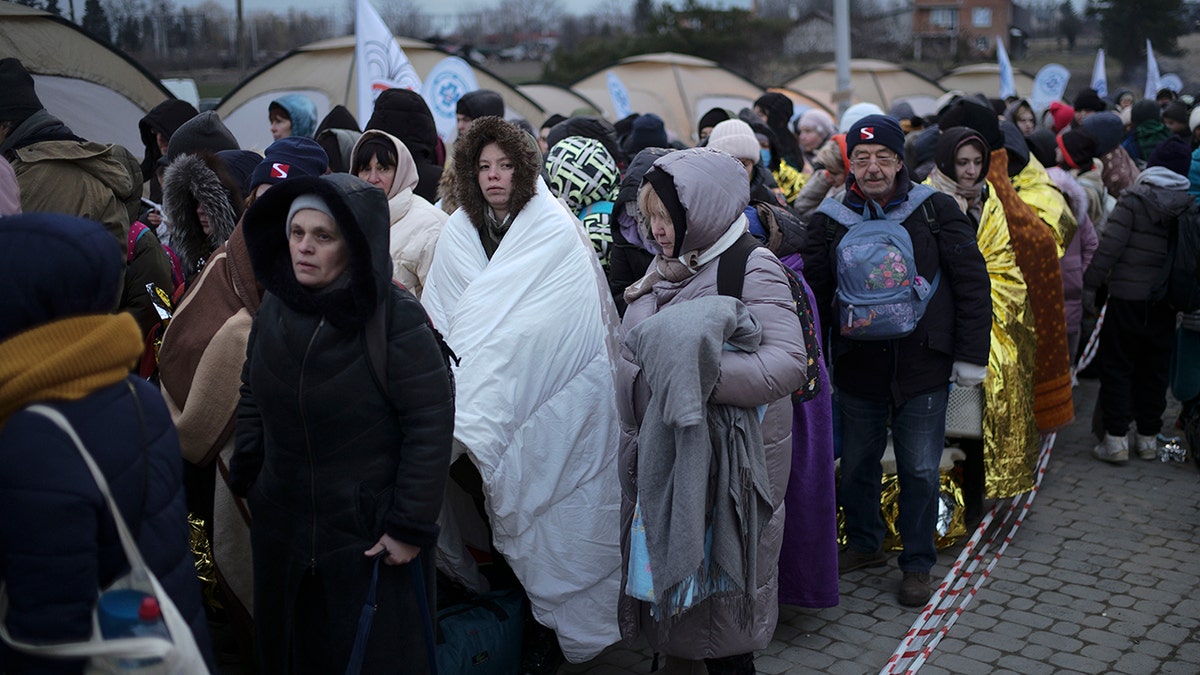
On March 15, 2022, the number of refugees fleeing Ukraine reached 2.8 million, according to United Nations data, as Russian strikes hit western Ukraine, prompting thousands to cross into eastern Europe. The attack on a Ukrainian base near the border with NATO-member Poland resulted in 35 deaths, according to Ukraine, while Moscow claimed up to 180 “foreign mercenaries” died. Polish Prime Minister Mateusz Morawiecki stated that the attack showed Russia’s intent to “create panic among the civilian population”.
refugee crisis overview
The refugee crisis in Europe has been escalating since Russia invaded Ukraine on February 24, 2022. European Union officials estimate that up to 5 million people may end up fleeing Ukraine, while others have put the figure even higher. Millions of people have been displaced inside Ukraine, with many evacuated to the quieter western regions, including cities like Lviv. The United Nations has been working to provide aid to those affected, but the sheer scale of the crisis has raised concerns about the ability of neighboring countries to cope.
humanitarian efforts
Authorities and volunteers across central and eastern Europe are working to provide food, accommodation, and medical aid to the millions of refugees pouring across their borders. Frontline states such as Poland, Slovakia, Romania, Hungary, and Moldova have taken in the vast majority of the refugees, with Poland welcoming over half of the total number fleeing. Polish Deputy Minister of Internal Affairs Pawel Szefernaker said, “We estimate that for sure over 1 million Ukrainians have remained in Poland and we must do everything to ensure their safety”. The Czech Republic and other countries further away from Ukraine’s borders have also taken in tens of thousands of refugees, putting pressure on local authorities.
russian actions and ukrainian response
Russia denies targeting civilians, describing its actions as a “special operation” to demilitarise and “de-Nazify” Ukraine. However, Ukraine and Western allies call this a baseless pretext for Russia’s invasion of the democratic country of 44 million. Ukraine has begun “hard” talks on a ceasefire, immediate withdrawal of troops, and security guarantees with Russia. Both sides reported rare progress at the weekend after earlier rounds primarily focused on ceasefires to get aid to cities under siege by Russian forces and evacuate civilians. Battles continued around many of Ukraine’s main cities, including the capital Kyiv, with Ukraine planning to evacuate civilians through 10 humanitarian corridors.
international response
The international community has been critical of Russia’s actions, with many countries imposing sanctions and providing aid to Ukraine. The United Nations has been working to coordinate the international response to the crisis, with Secretary-General António Guterres calling for an immediate ceasefire and the protection of civilians. The European Union has also been working to provide support to Ukraine, with European Commission President Ursula von der Leyen stating that the EU stands in solidarity with Ukraine and will continue to provide aid and support.
ongoing crisis
As the crisis continues, there are concerns about the ability of neighboring countries to cope with the influx of refugees. While there has been a groundswell of volunteer efforts, the sheer scale of the crisis has raised fears of being overwhelmed. Polish Prime Minister Mateusz Morawiecki’s statement that Russia’s attack near the border with Poland showed its intent to “create panic among the civilian population” highlights the need for a coordinated international response to the crisis. With millions of people displaced and thousands more fleeing each day, the situation in Ukraine remains dire, and a lasting solution is urgently needed to address the humanitarian crisis and bring an end to the conflict.