Dry Winds and Dry Grass: Why Portugal’s Arson Suspects Face a Reckoning
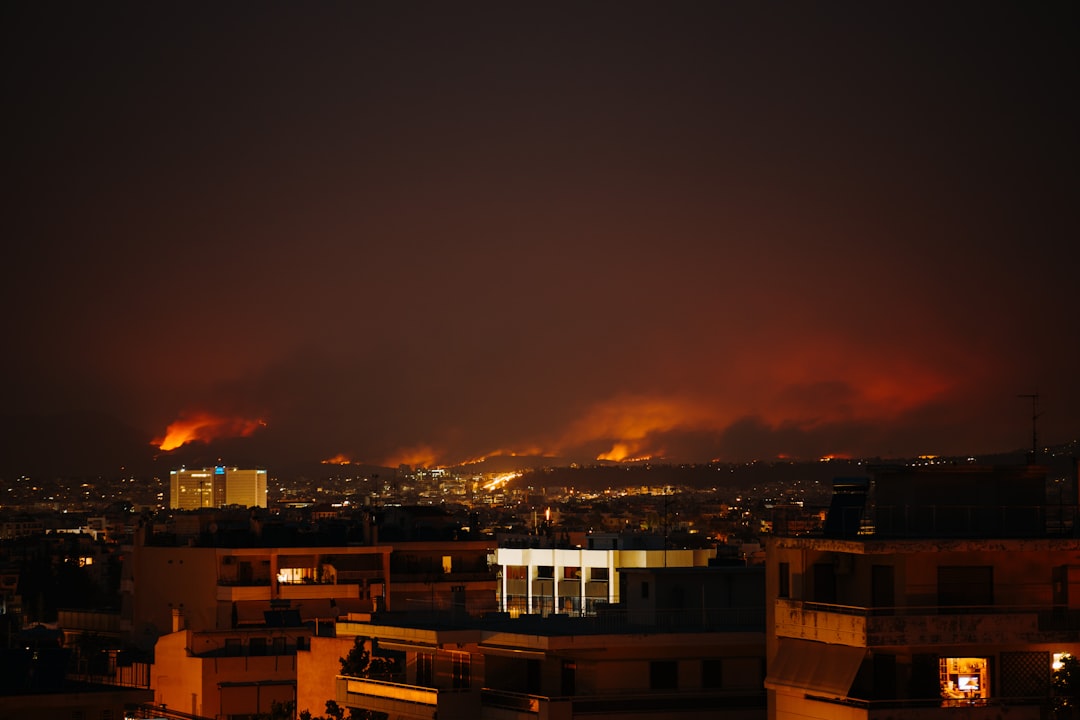
Seven people are dead. Forests in Northern and Central Portugal are ash. And twelve individuals now sit in custody, accused of setting the fires themselves. That arrest figure is the core of this story, and it demands a hard look at what authorities are calling a deliberate act.
The arrests came on September 18, 2024. That date is important. It means the dragnet closed fast. Within days of the blazes igniting and spreading, Portuguese police had twelve suspects in hand. The speed suggests investigators had more than suspicion. They had evidence—witnesses, accelerant traces, maybe even confessions. We don’t know the specifics yet. The report is clear on that: no names, no details on how each fire was started. What we do know is that the charge is arson. Not negligence. Not an accident. Willful, deliberate fire-setting.
Arson is a specific crime. It requires intent. You have to mean to burn something down. In wildfire cases, that intent can be hard to prove. A dropped cigarette, a forgotten campfire—those are reckless, but not arson. Here, the authorities have staked their case on the harder charge. That tells you the evidence is strong. Twelve people across multiple fires means this wasn’t one lone actor. It suggests coordination, or at least a cluster of people acting on the same destructive impulse.
Why would anyone set a fire in dry conditions with wind blowing? The report doesn’t speculate. It doesn’t have to. The facts speak: dry ground, strong winds, rapid spread. That combination turned small flames into killing fires. The seven dead are the result. The destroyed forests, the lost wildlife habitats, the burned ecosystems—those are the secondary toll. The report notes that the environmental damage will last. So will the economic hit. Businesses and industries in the affected regions are now staring at ruin.
There is a curious turn in the source material. It brings up renewable energy. Solar and wind power, it says, can reduce wildfire risk by cutting the need for human intervention in energy systems. That’s a specific argument. It implies that the current energy infrastructure—power lines, transformers, maybe even illegal connections—creates opportunities for arson or accidental ignition. The report doesn’t elaborate. But the connection is there: more renewable energy, less human handling of power, fewer chances for fires to start. It’s a policy angle that separates this story from a simple crime report.
For now, the focus remains on the twelve suspects. They are the human face of the destruction. The investigation is ongoing. More arrests could come. More details about motivations—grievances, profit, recklessness—may surface. The report warns that the impact on communities is profound. People are picking up pieces. They are rebuilding. The arrests offer a measure of justice, but justice doesn’t bring back the dead or regrow a forest.
The dry conditions that fueled these fires are not going away. Neither, apparently, are the people willing to strike a match. Portugal’s authorities have made their move. Twelve arrests. Seven dead. A country on edge. That’s the story now, and it’s not over.