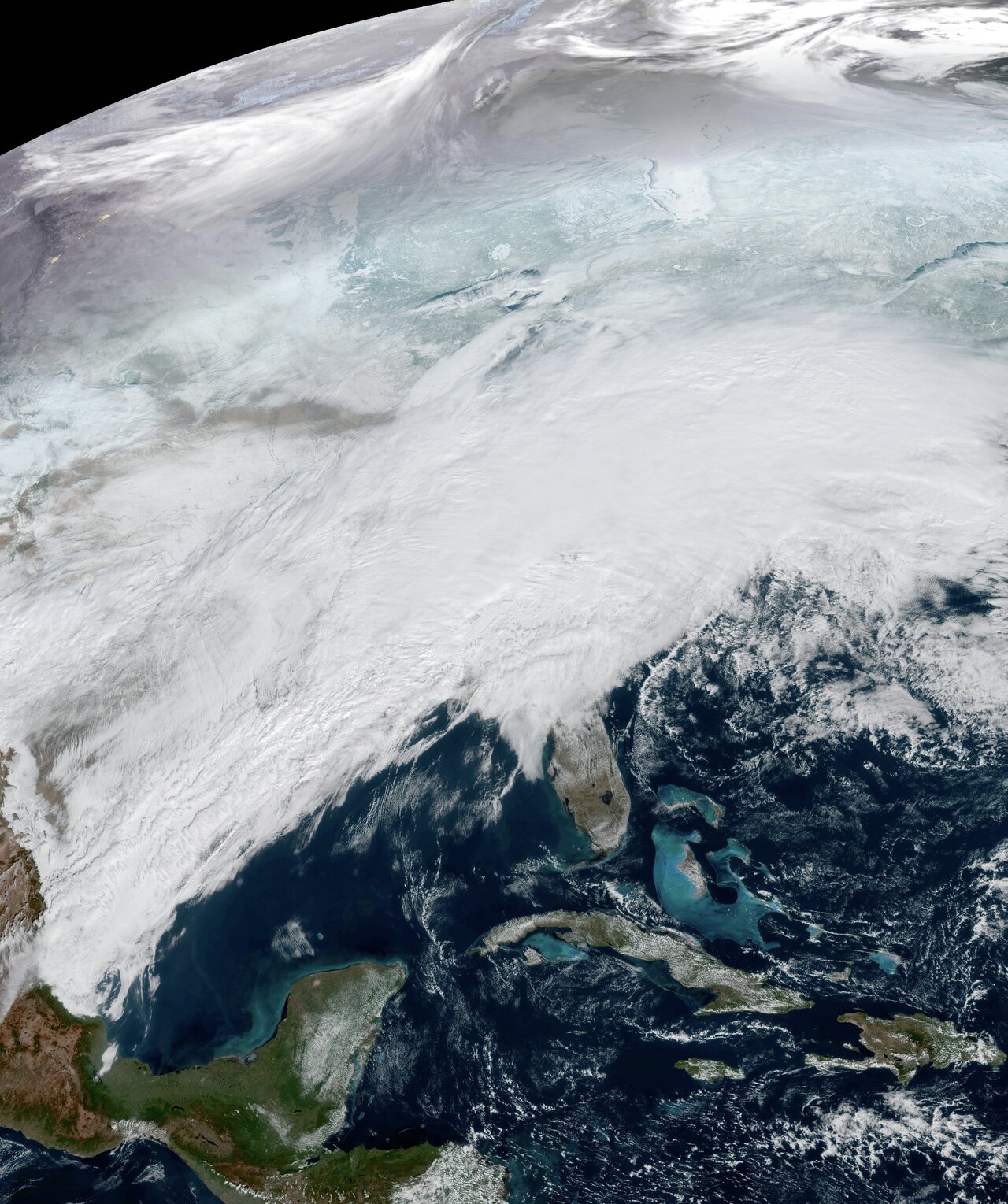
A major winter storm swept through Portland, Oregon, on January 17, 2024, bringing with it a tragic reminder of the devastating power of nature. Three people lost their lives when a power line fell onto a car, a stark illustration of the dangers that severe weather events can pose to human life. As the city struggles to come to terms with the loss, attention is turning to the critical issue of energy infrastructure resilience in the face of extreme weather conditions.
The storm that hit Portland is part of a larger pattern of intense winter weather systems that have been affecting the United States in recent years. While the exact causes of these events are complex and multifaceted, some scientists argue that changes in global weather patterns may be contributing to their increased frequency and severity. What is clear, however, is that the impact of such events on local communities can be profound, highlighting the need for robust and adaptable energy systems that can withstand the forces of nature.
Energy Security and the Role of Renewables
The tragedy in Portland underscores the importance of ensuring that our energy infrastructure is secure, reliable, and capable of withstanding extreme weather conditions. One key aspect of achieving this goal is the development and integration of renewable energy sources into our power grids. By diversifying our energy mix and reducing dependence on centralized power plants, communities can enhance their energy security and reduce the risk of widespread power outages during severe weather events. Additionally, the economic benefits of renewables, including lower operational costs and job creation in the clean energy sector, make them an attractive option for forward-thinking cities and states.
Portland, known for its commitment to environmental sustainability, has already made significant strides in incorporating renewable energy into its power mix. The city’s efforts to promote green technologies and reduce its carbon footprint are not only beneficial for the environment but also contribute to a more resilient and cost-effective energy system. As other cities look to follow in Portland’s footsteps, they would do well to prioritize investments in renewable energy and grid modernization, recognizing the long-term benefits these investments can bring in terms of energy security and cost savings.
The incident also raises questions about the maintenance and upkeep of existing power infrastructure. Regular inspections and proactive maintenance are critical to preventing accidents like the one that occurred in Portland. Utility companies and local authorities must work together to ensure that power lines and other critical infrastructure are regularly assessed for potential risks and addressed before they become major hazards. This collaborative approach can help prevent similar tragedies in the future and ensure that communities are better protected against the impacts of severe weather.
Looking ahead, the path to a cleaner, more sustainable future is clear. It involves a commitment to reducing our reliance on fossil fuels, investing in renewable energy technologies, and prioritizing energy security through grid modernization and infrastructure resilience. By embracing this vision, we not only contribute to a healthier planet for its own sake but also build more robust and cost-effective energy systems that benefit local communities and economies. As Portland and other cities move forward from this tragic event, they have the opportunity to reaffirm their dedication to a sustainable future, one that is powered by clean energy, driven by innovation, and grounded in a deep respect for the natural world.