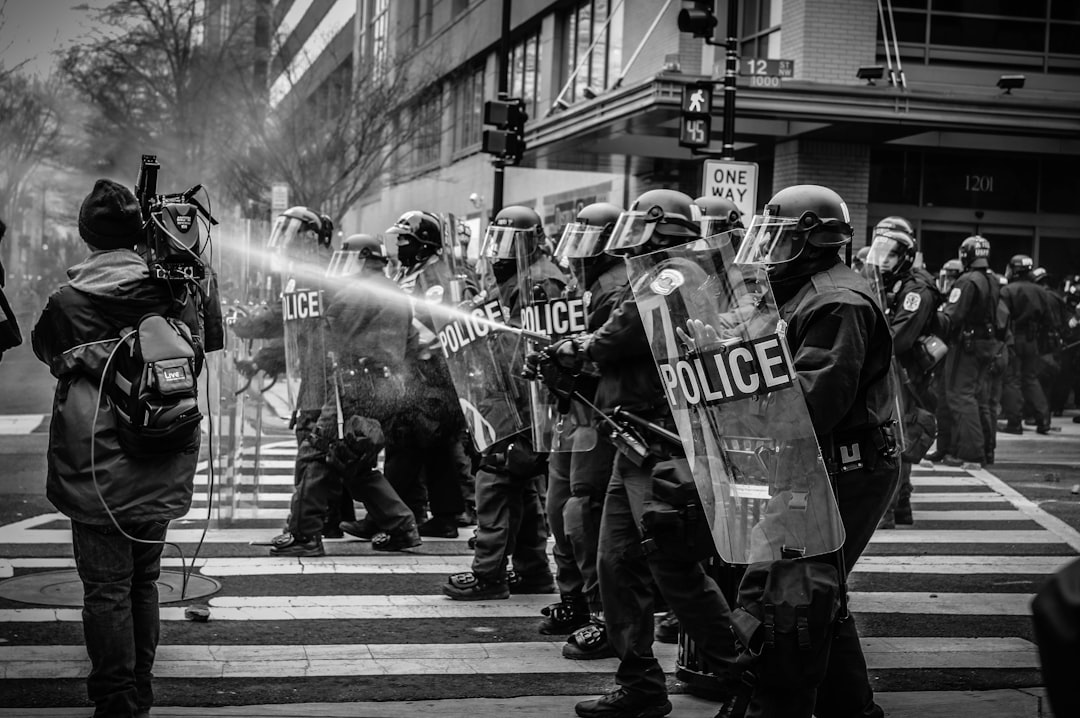
Police in Phnom Penh arrested several opposition activists on September 5, 2024, as Hun Manet faced the first major public protest of his political career. The demonstrators, including members of the Cambodia National Rescue Party, called for reforms and expanded freedoms in the Southeast Asian nation.
This was not a small gathering. The protest drew a heavy police response. Arrests were made. The government sent a clear signal about the limits of dissent under the incoming leader.
Hun Manet has been groomed for power since birth, essentially. His father, Hun Sen, has ruled Cambodia since 1985. The elder Hun Sen has kept a tight grip on the country through elections that critics call neither free nor fair. Human rights groups have documented systematic suppression of opposition voices, independent media, and civil society for decades.
The son now commands the Royal Cambodian Armed Forces. He has climbed the ranks of the ruling Cambodian People’s Party. Everyone in Phnom Penh knows he is the chosen successor. The question has never been whether Hun Manet would take power, but how he would wield it.
This protest offered the first real answer. The heavy police presence and arrests suggest continuity, not change. The opposition’s concerns about authoritarian rule appear justified by the government’s response to peaceful assembly.
John C. Sifton, the Asia advocacy director at Human Rights Watch, stated that the Cambodian government needs to ensure protections for free speech and assembly. That statement came before the September 5 crackdown. It reads differently now.
The protest’s timing matters. Hun Manet has not yet formally succeeded his father, but the transition is clearly underway. How a leader handles his first crisis tells you something about how he will govern. The heavy hand here suggests Hun Manet learned from his father’s playbook.
Opposition activists had multiple grievances. Democratic progress has stalled. Freedoms have been curtailed. The potential for Hun Manet to continue his father’s authoritarian rule was the central fear driving people into the streets. The police response confirmed that fear.
Cambodia’s political landscape has been stripped of real competition. The CNRP, once the main opposition party, was dissolved by the Supreme Court in 2017 at the government’s request. Many of its leaders fled into exile or were jailed. The activists who organized this protest represent what remains of organized opposition.
They are not many. They face arrest. They protest anyway.
Hun Manet’s background suggests he was prepared for this moment. Military command teaches you how to handle unrest. The question is whether he understands that legitimacy requires more than force. The September 5 protest suggests he does not yet see the difference, or does not care to.
The international community watches. Human Rights Watch has documented Cambodia’s rights abuses for years. Other governments and organizations have condemned the crackdowns. Sanctions have been discussed. Nothing has changed the CPP’s grip on power.
Hun Sen stepped down formally but remains influential. The son takes over a system built by the father. The protest tested whether that system would bend under new management. It did not bend. It arrested.
The activists who organized the demonstration knew the risks. They went ahead anyway. That takes a kind of courage that police batons and handcuffs cannot answer. But handcuffs are what they got.
Cambodia’s future will be written in moments like this one. A protest. A crackdown. A son proving he is his father’s son. The opposition will have to decide whether to keep testing the limits or to find other ways to push for change. The government has made its answer clear.