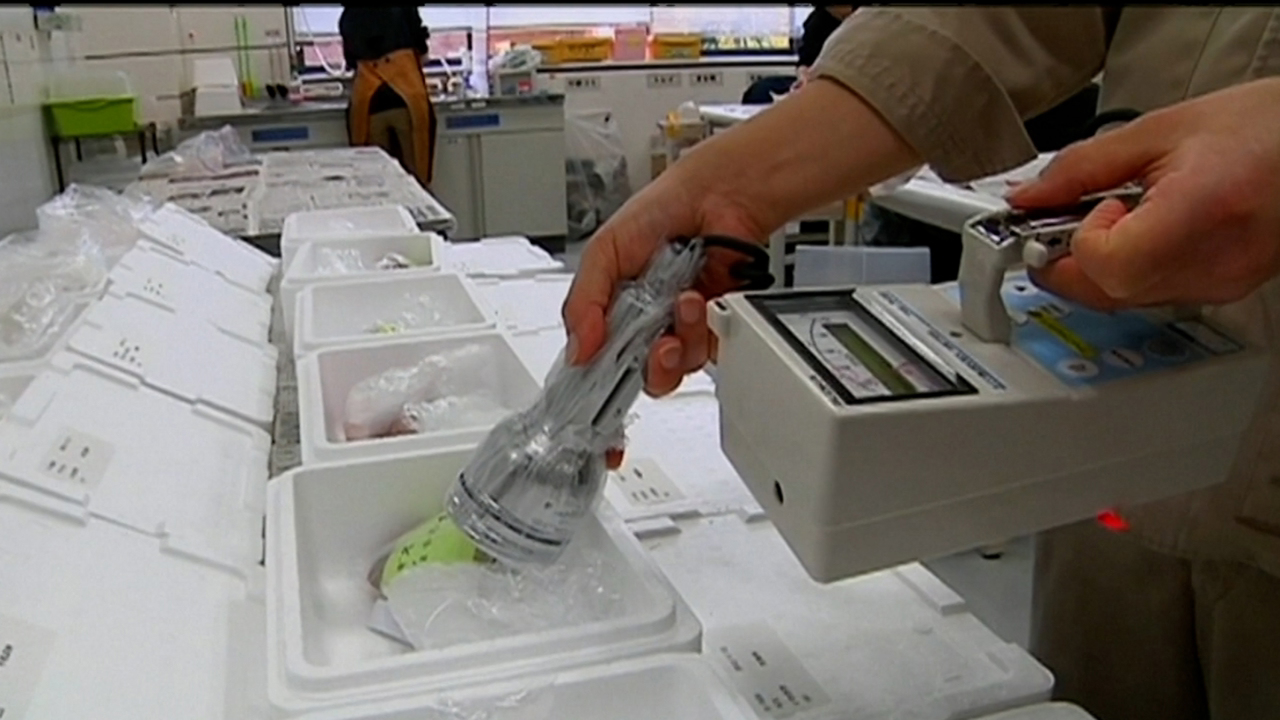
On January 11, 2020, the Philippines’ Department of Foreign Affairs announced the elevation of restrictions on agricultural and seafood imports from Fukushima and its neighboring areas in Japan, which were imposed following the 2011 nuclear disaster in the prefecture. The decision was made after almost ten years of restrictions, and it covers meats, fruits, vegetables, and seafood coming from Fukushima, Ibaraki, Tochigi, and Gunma. According to DFA secretary Teodoro Locsin Jr., the agency has disposed of the requirement for radiation test results for shipments of several food imports from Japan.
background on the nuclear disaster
The 2011 nuclear disaster in Fukushima was triggered by a powerful earthquake and tsunami, and it is considered the second-worst nuclear disaster in history. The triple meltdowns at the Fukushima Daiichi nuclear power plant had a significant impact on the environment and the local community. The disaster led to the imposition of restrictions on food imports from the affected areas, which were in place for nearly a decade. The restrictions were put in place to ensure the safety of consumers, but they also had a significant impact on trade between Japan and the Philippines.
reaction from japan and the philippines
The Japanese government welcomed the lifting of restrictions, with Foreign Minister Motegi Toshimitsu expressing his anticipation for an improved trade relation with the Philippines. Motegi paid a visit to Manila for a meeting with his Filipino counterpart, Locsin, where they discussed the lifting of restrictions and its potential impact on trade. According to Motegi, the improved trade relation could lead to further infrastructure advancements. Locsin also expressed his enthusiasm for the development, saying that he now looks forward to safe Japanese food reaching many Filipinos.
security cooperation
In addition to discussing trade, both foreign officials also agreed to amplify security participation, with the end goal of countering China’s militarization of fake islands in disputed portions of the South China Sea. This development is significant, given the ongoing tensions in the region. The Philippines and Japan have both expressed concerns about China’s actions in the South China Sea, and this agreement reflects their shared commitment to regional security. As Locsin noted, the Philippines values its relationship with Japan and is committed to working together to promote regional stability.
implications for regional trade and security
The lifting of restrictions on food imports from Japan has significant implications for regional trade and security. It reflects the strong relationship between Japan and the Philippines and their commitment to promoting economic cooperation and regional stability. The agreement also sends a signal to China, which has been increasingly assertive in the region. According to a statement from the US State Department, the United States welcomes the agreement and sees it as a positive development for regional security. The statement noted that the United States values its relationships with both Japan and the Philippines and is committed to working with them to promote regional stability and security.
The decision to lift restrictions on food imports from Japan is a significant development for the Philippines and Japan, and it has implications for regional trade and security. The agreement reflects the strong relationship between the two countries and their commitment to promoting economic cooperation and regional stability. As the region continues to evolve, it is likely that we will see further developments in the relationship between Japan and the Philippines, and their cooperation on regional security issues. The Philippines and Japan will likely continue to work together to promote regional stability and security, and their cooperation will be an important factor in shaping the regional landscape.